This post has taken me way too long to make, but here we are. 🙂
Backstory: Upon reading the excerpt of Gender Trouble for class, I immediately knew I wanted to write my blog post about that in relation to something else. From there my mind went to a recent video I’d watched from a YouTuber named Sydney Zarlengo where they talked about their attempt to direct and play Christopher (the main character) in the first all neurodivergent cast and crew of The Curious Incident of the Dog in the Night-time. However, what I want to focus on in this blog post was that they planned to wear a different costume for Christopher each night, specifically to have different gender expressions. I can’t find the clip where they mentioned why they wanted to do this, so I’m beginning to think I made it up, but I believe the idea for the different gender expressions every night was to help everyone in the audience relate to a version of Christopher. Since there is not a lot of good neurodivergent representation in the theater at the moment, this was done in an effort to show that neurodivergent people are not just “cis white boys who like trains” (as Sydney would say).
Connection to Gender Trouble: In the documentary about the process of this production (spoiler alert: it got cancelled ), Sydney brings up a vital idea about costumes in the theater when they say “it’s going to be very interesting to step into this role every single night in a completely different outfit because costumes very much create the character in the sense of physicality, in the sense of how you move and how you exist.” This connects perfectly to Butler’s quote that “The effect of gender is produced through the stylization of the body and, hence, must be understood as the mundane way in which bodily gestures, movements, and styles of various kinds constitute the illusion of an abiding gendered self” (Butler 140). Gender, as Butler puts it, is created through every little action someone takes. So, to drastically change Christopher’s outfit every night is to completely change the way in which Christopher’s gender is “read” every time. This small effort – changing a costume – completely changes Christopher’s character and how Sydney chooses to portray him each time. Arguably each outfit suggests a different version of Christopher, yet at the same time, all of the costumes could culminate in the same Christopher, just as anyone could reasonably wear these different styles from day to day. I think this really underscores the importance of clothing and costumes in everyday gender expression. If theater is just a louder, bigger expression of our usual emotions and mannerisms, are we not still acting a little in our portrayal of gender every day?
Bonus tidbit – Copyright: Something else that I found profoundly interesting was that Sydney said, “we can’t change his pronouns legally.” This wasn’t something that had crossed my mind before and, while on some level it did make sense why this would be done, I found it intriguing that we copyright gender to this extent. Why are we so hesitant to allow different productions to change the pronouns and/or names of the characters in a show? What are we really “protecting” by doing this? I’ve rambled too long already so I don’t have the space to talk more this here, but it’s something to think about.
Reference Photos:
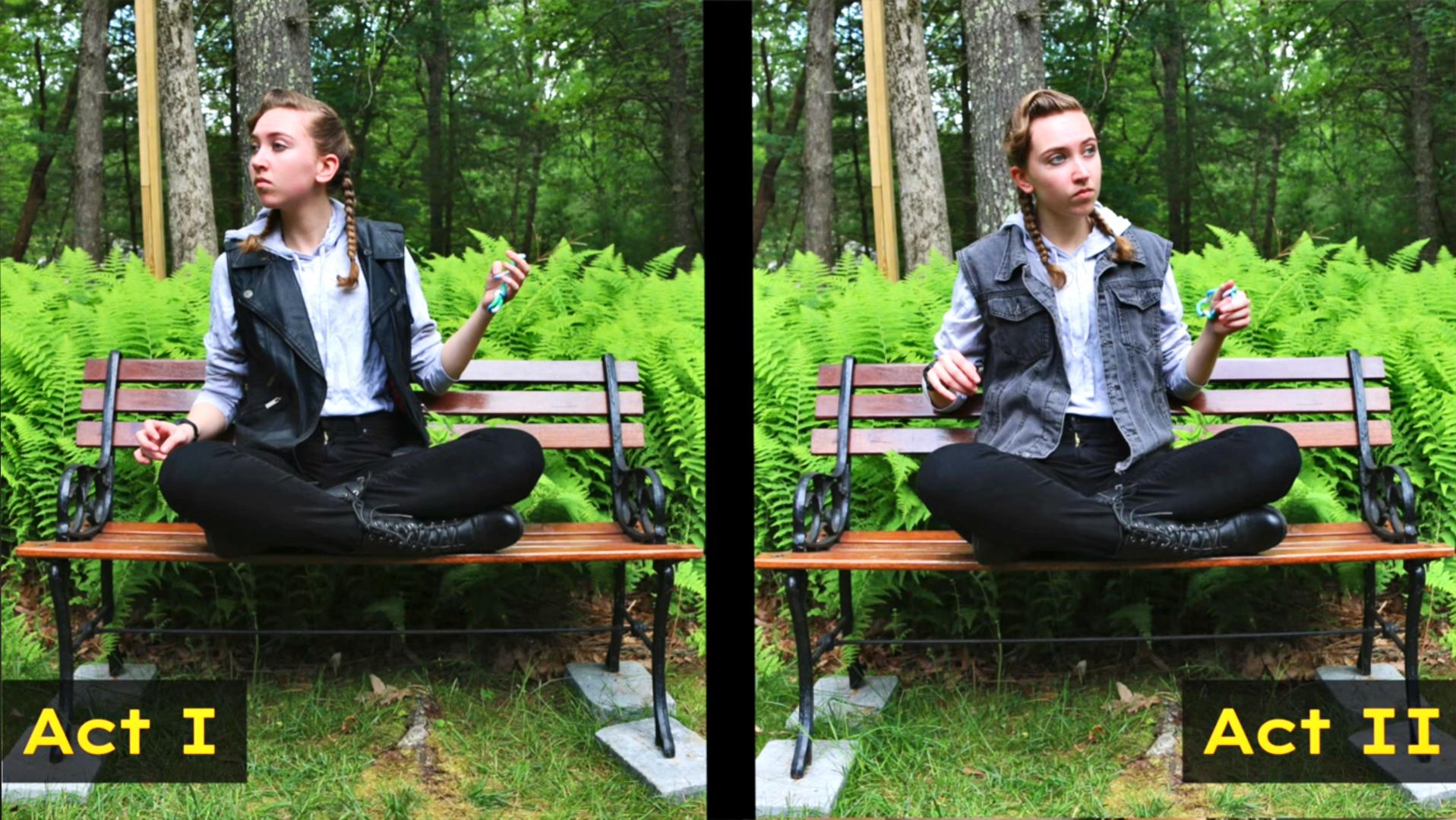
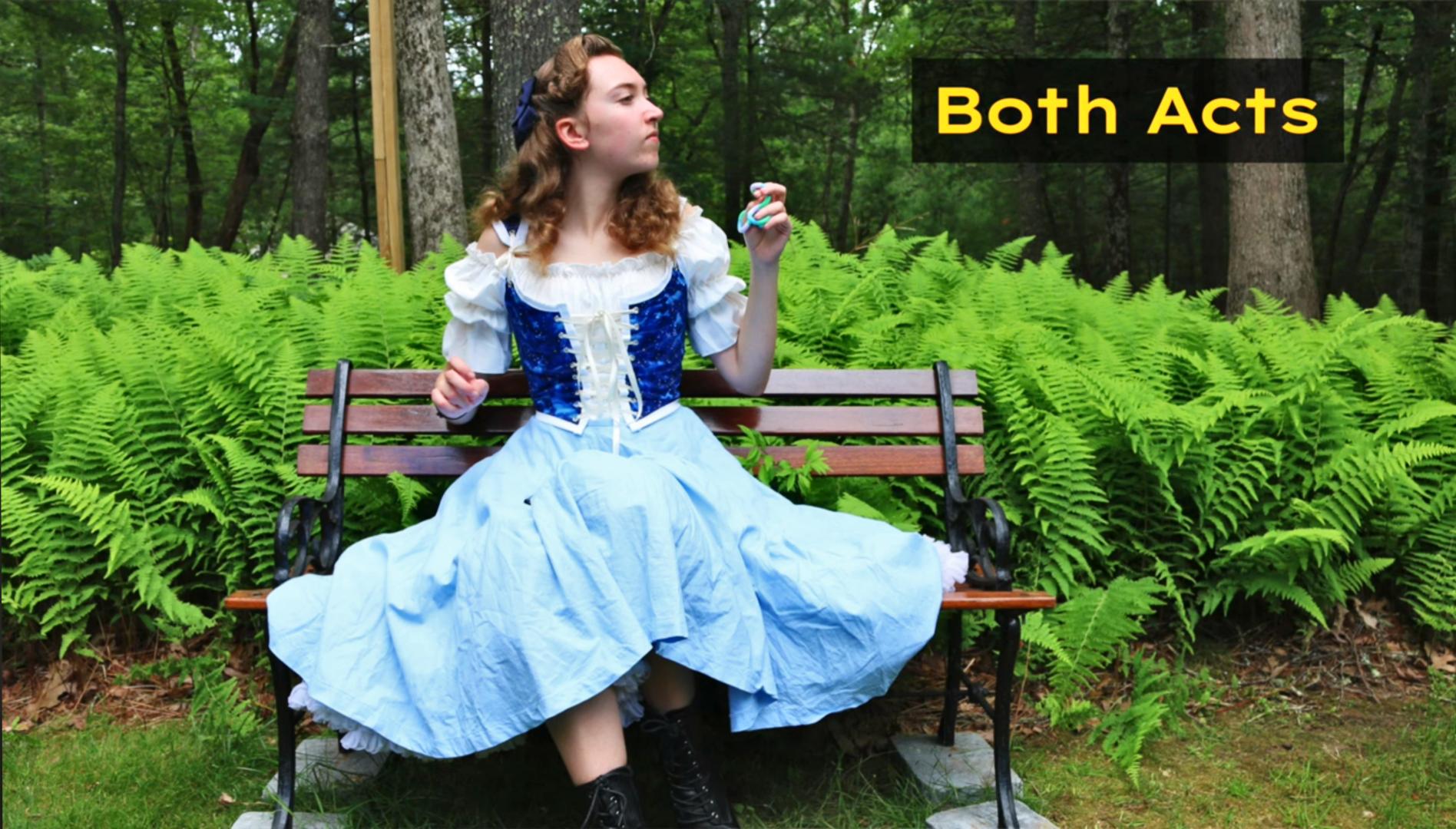
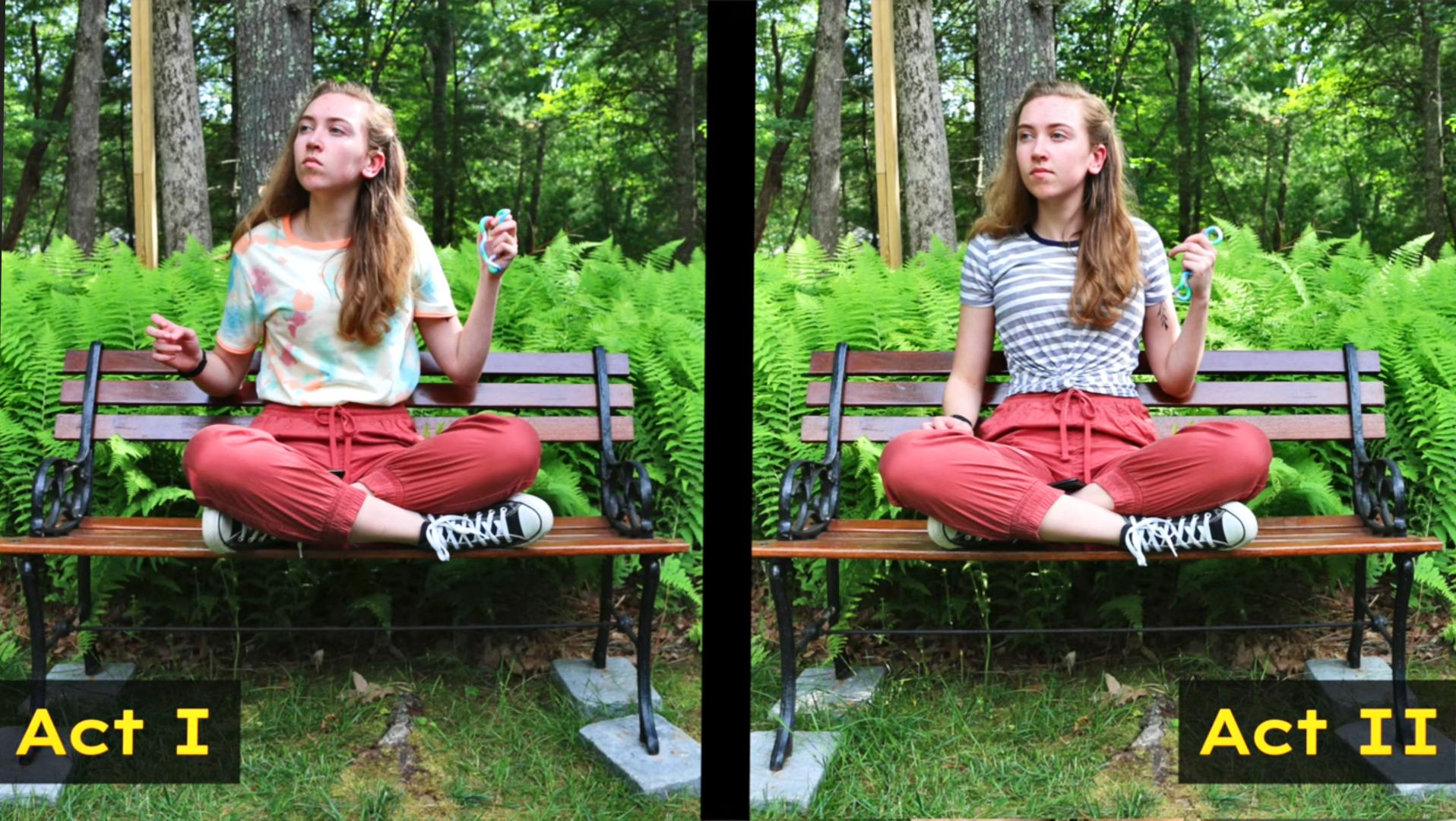
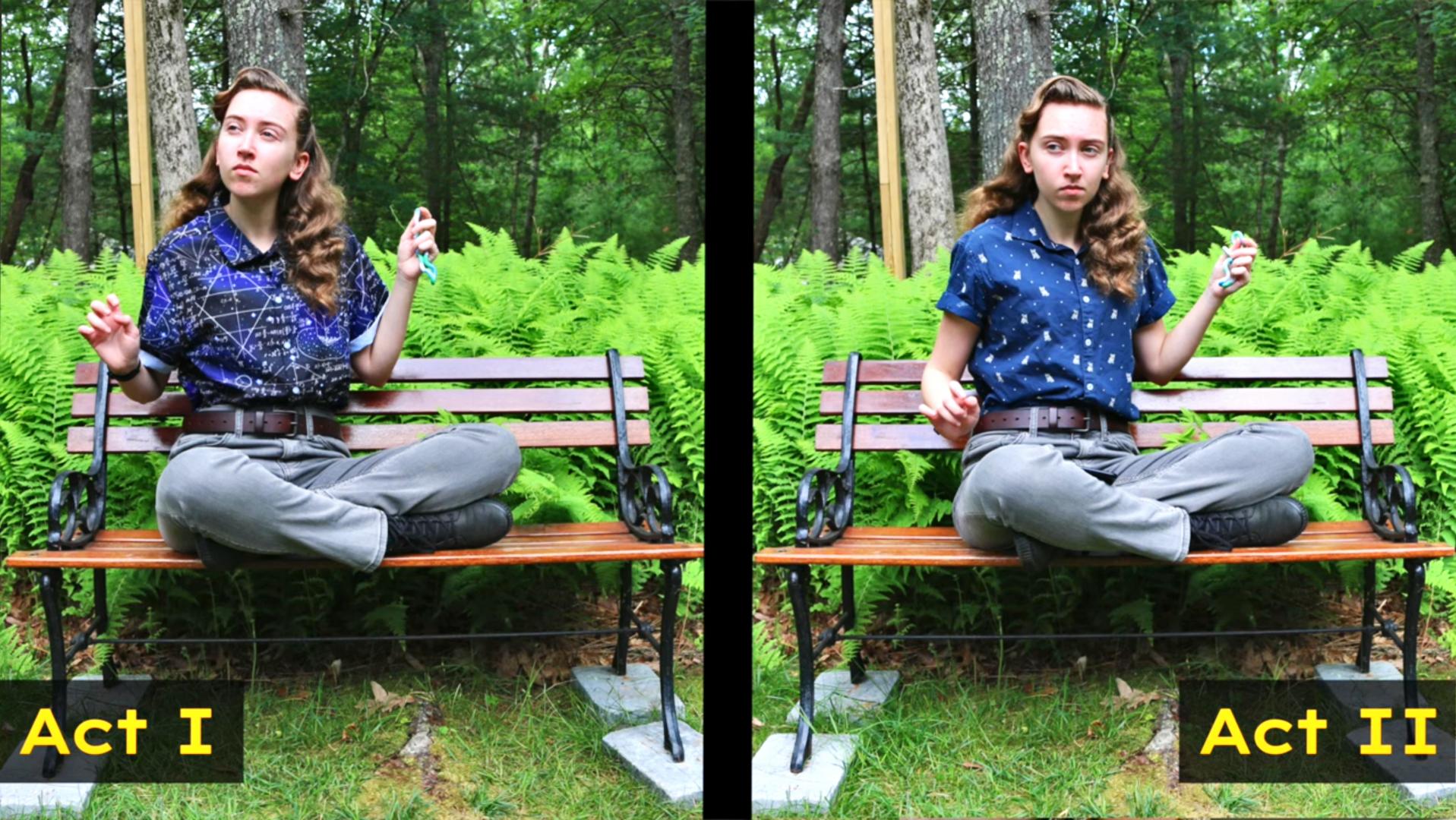
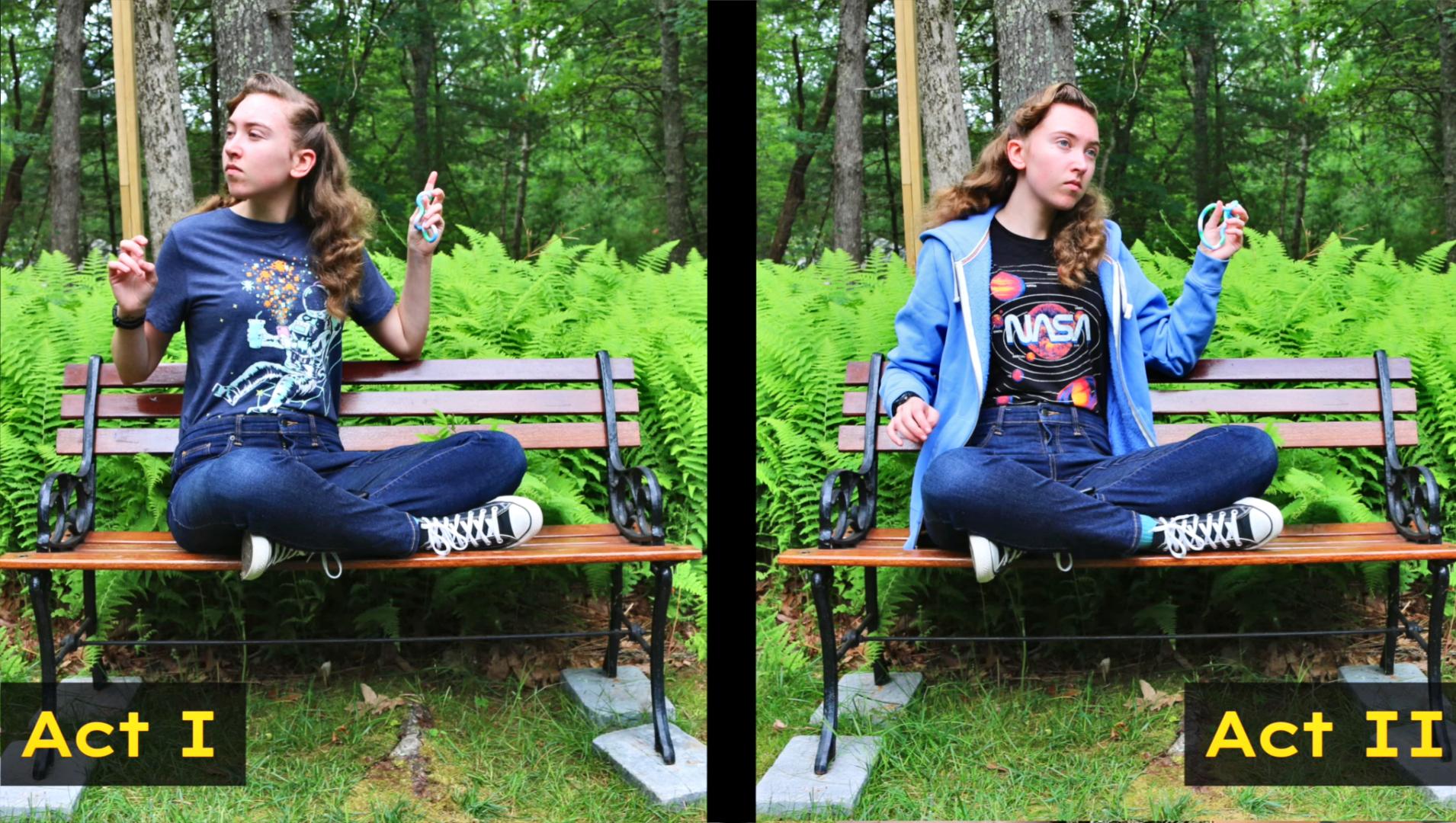
Note: If you want to learn more about the process for this production of The Curious Incident of the Dog in the Night-time, you can find the full playlist here. The main part that I’m drawing on for this post is the portion from the video titled “Crafting Curious|Full Documentary [CC]” where Sydney and their co-director Ace talk about costumes (from approximately 17:10 – 23:30).
Oh my gosh! This post brought me back. One of the first shows I ever saw was The Curious Incident of the Dog in the Night-Time and it is an amazing show. I found it really interesting to think about your comments on how copyright works with perfomances like these and how gender can’t be changed. As someone who did a lof of community theatre, it’s really interesting to see how these copyrights work for even community theatre. I did SpongeBob in a community theatre production and what was really awesome about that show is how they made a detailed list in the beginning of our scripts highlighting how characters can be perfomed by any different type of person/gender and were very inclusive about how the show could be done. But I agree that it is still intresting to think about how strict these rules can be involving theatre productions. Great post!