INTRODUCTION
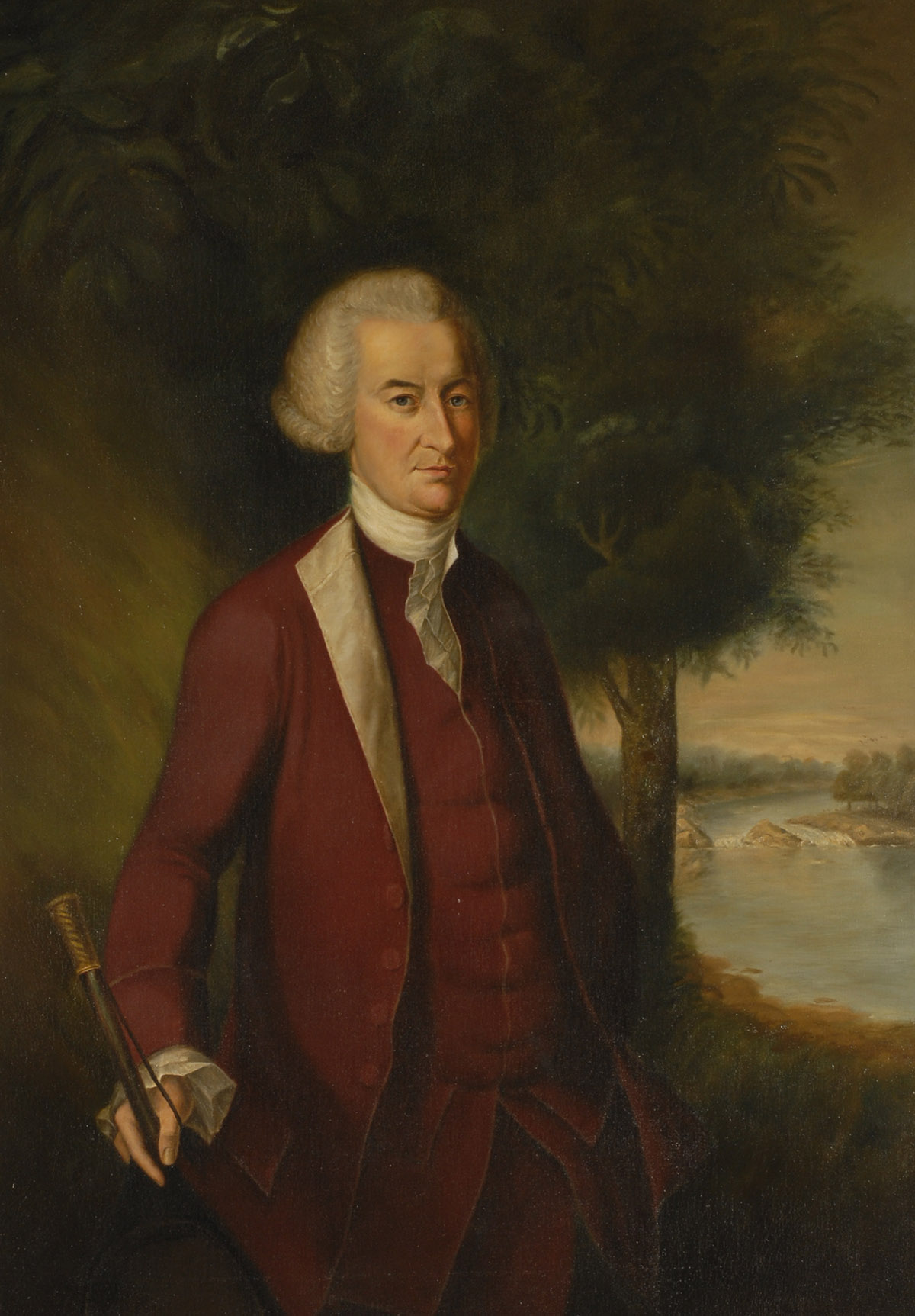
John Dickinson (1732-1808) was one of the most important American revolutionaries, especially during the period of the colonial crisis in the 1760s. He was born in Maryland on a tobacco plantation in Talbot County. As a young man and law student, he spent time in London before launching his career as an attorney in Philadelphia in the 1750s. Following the French and Indian War (1754-1763), Great Britain, saddled with debts despite its victory, tried to impose greater control and higher taxes on its American colonies. The resulting controversies over the Stamp Act (1765) and the Townshend Duties (1767) helped vault Dickinson into prominence as a resistance leader. In 1768, he wrote a pamphlet, Letters from a Farmer in Pennsylvania that argued vigorously against the British policy of taxing the colonies to raise revenues without providing American colonists with direct representation in Parliament. It created a sensation. The same year, Dickinson also wrote lyrics for “The Liberty Song,” which became a popular political ballad after it was published in colonial newspapers in the summer of 1768, such as in the Boston Gazette in July. Dickinson composed the verses in response to the seizure of John Hancock’s ship, Liberty, and by the brave decision of the Massachusetts legislature to stand behind its “Circular Letter,” a protest against the Townshend Duties written by Samuel Adams. Describing his inspiration, Dickinson wrote to fellow revolutionary James Otis, a Boston resident: “I enclose you a song for American freedom. I have long since renounced poetry, but as indifferent songs are very powerful on certain occasions, I venture to invoke the deserted muses.” Dickinson envisioned the lyrics set to the tune of the Royal Navy’s anthem, “Heart of Oak.” One of the final stanzas, contained the origins of a famous phrase: United We Stand, Divided We Fall. Dickinson later wavered over the wisdom of declaring independence, however, warning his fellow delegates at the Second Continental Congress in 1776 that their proposed Declaration would be little more than “a skiff made of paper.” Nonetheless, he joined the revolution anyway, helped draft the Articles of Confederation, and later attended the 1787 Constitutional Convention in Philadelphia where he argued against slavery despite having once been a major slaveholder himself. “What will be said of this new principle of founding a Right to govern Freemen on a power derived from Slaves,” he asked. It was –and remains– a profound question for those who love liberty.

The Liberty Song
Come join hand in hand, brave Americans all,
And rouse your bold hearts at fair Liberty’s call;
No tyrannous acts, shall suppress your just claim,
Or stain with dishonor America’s name.
In freedom we’re born, and in freedom we’ll live;
Our purses are ready,
Steady, Friends, steady,
Not as slaves, but as freemen our money we’ll give.
Our worthy forefathers – let’s give them a cheer –
To climates unknown did courageously steer;
Thro’ oceans to deserts, for freedom they came,
And, dying, bequeath’d us their freedom and fame.
Their generous bosoms all dangers despis’d,
So highly, so wisely, their birthrights they priz’d;
We’ll keep what they gave, we will piously keep,
Nor frustrate their toils on the land or the deep.
The Tree, their own hands had to Liberty rear’d,
They lived to behold growing strong and rever’d;
With transport then cried, – ” Now our wishes we gain,
For our children shall gather the fruits of our pain.”
How sweet are the labors that freemen endure,
That they shall enjoy all the profit, secure,
No more such sweet labors Americans know,
If Britons shall reap what Americans sow,
Swarms of placemen and pensioners’ soon will appear,
Like locusts deforming the charms of the year:
Suns vainly will rise, showers vainly descend,
If we are to drudge for what others shall spend.
Then join hand in hand brave Americans all,
By uniting we stand, by dividing we fall;
In so righteous a cause let us hope to succeed,
For Heaven approves of each generous deed.
All ages shall speak with amaze and applause,
Of the courage we’ll show in support of our laws;
To die we can bear, – but to serve we disdain,
For shame is to freemen more dreadful than pain.
This bumper I crown for our sovereign’s health,
And this for Britannia’s glory and wealth;
That wealth, and that glory immortal may be,
If she is but just, and we are but free.
In freedom we’re born, &c.
Additional Resources