Image Gateway

Female graduates of Dickinson College in 1910
TEXT: Moore, “The Student” (1932)
- Free verse poem published in Poetry magazine in 1932 as part of a trilogy including “The Steeple-Jack” and “The Hero”; later edited by Moore in subsequent editions of her Selected Poems
CONTEXT: Modern Era
“Marianne Moore was a quiet revolutionary working at the center of the convulsion that was modernism.” –Edward Hirsch, Heart of American Poetry, 144
- Moore was only a teacher for a handful of years, teaching business at the Carlisle Indian School from 1911 to 1915
“Moore enlisted in 1911. She taught in the business department. When she biked to classes and study halls and supervisory duties from her house on Hanover Street, she was, to use her own word from a later interview, “soldiering.” She mostly hated the job. She liked her students, though. Among them was Jim Thorpe, later declared the greatest athlete of the first half of the 20th century. Thorpe and Moore might be the two most famous figures associated with the school. But Moore’s fame came later, after her department was dissolved and she left teaching. It can be hard to find traces of the Carlisle school in her poems.” —Siobhan Phillips, “The Students of Marianne Moore”
Carlisle v. Army (1912)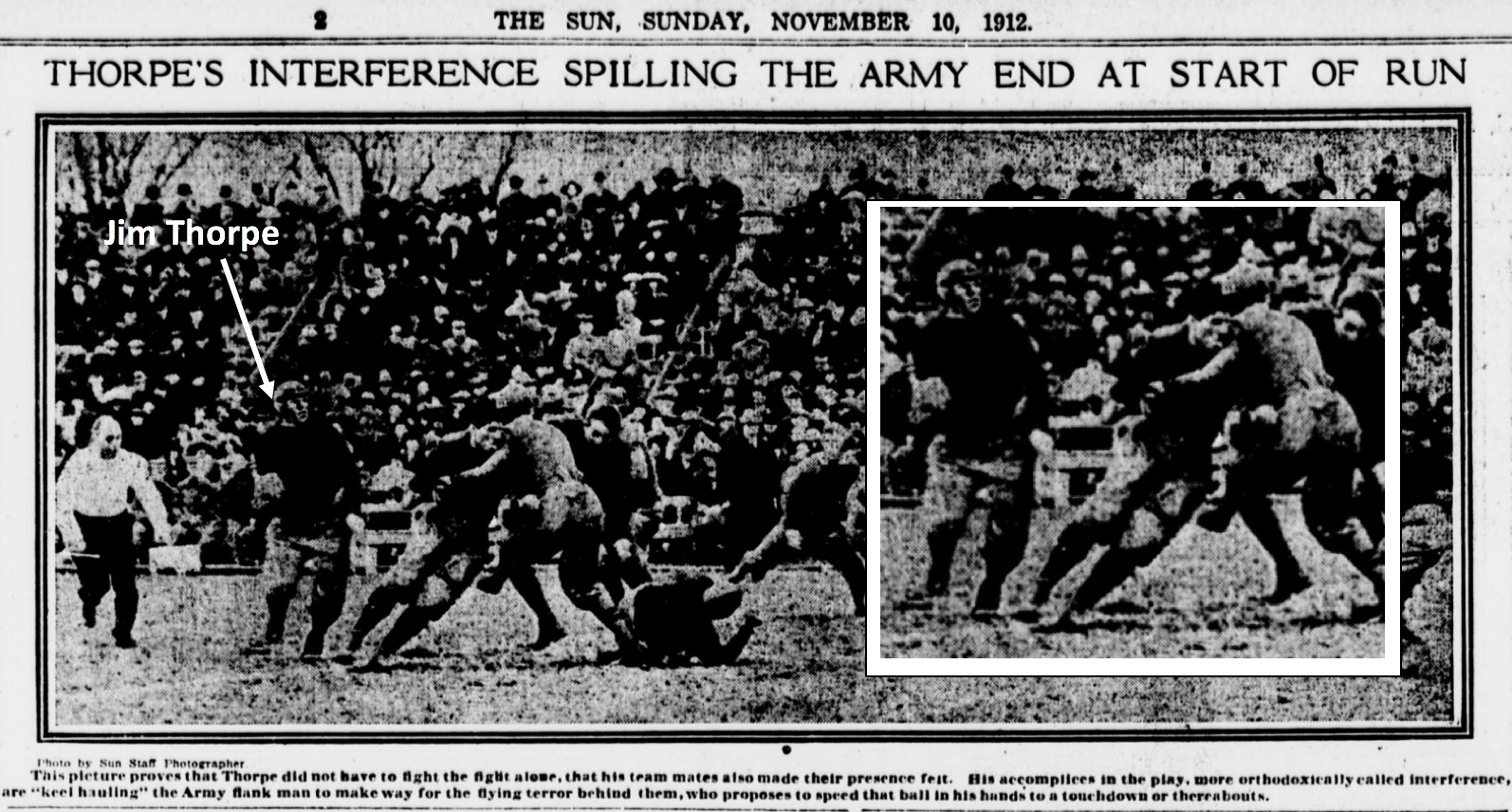 Recently rediscovered photograph of 1912 Carlisle v. Army football game, courtesy of Aiden Pinsker
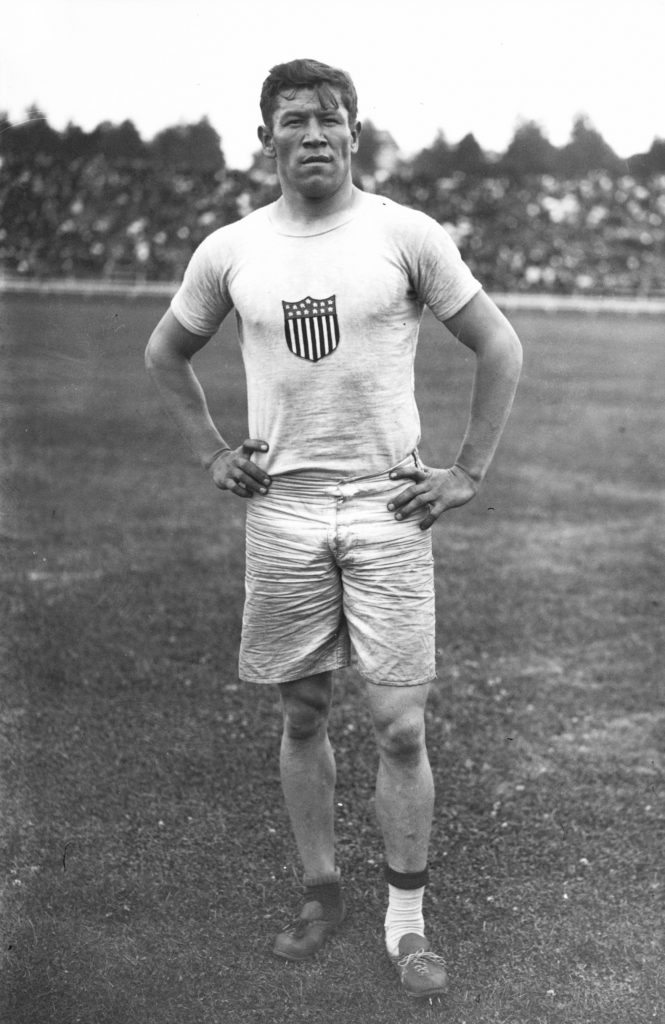
- Jim Thorpe, 1912 Olympics
SUBTEXT: Students or Undergraduates
“It may be that we have not knowledge, just opinions, that we are undergraduates, not students” –Adapted from “The Student” (1932)
- What does Moore mean by distinguishing between students and undergraduates?
- Why does Prof. Phillips believe there was more from Carlisle and Moore’s experience at the Indian School in the original version of the poem than later versions suggest?
- Why did Moore write down this passage from art critic John Ruskin: “the greatest thing a human soul ever does in this world is to see something, and tell what it saw in a plain way” (quoted in Hirsch, p. 145)?