
TEXT: Popel, “Flag Salute” (1934)
- Popel juxtaposed the Pledge of Allegiance (as it was recited in the 1930s) with free verse lines about a notorious lynching that took place in Maryland in 1933
- Originally published in the National Association for the Advancement of Colored People (NAACP) magazine, “The Crisis” in 1934, the print version featured in this course comes from a reprinting in the November 1940 edition of “The Crisis,” when the NAACP, the nation’s premier civil rights organization, was lobbying unsuccessfully for passage of a federal anti-lynching bill.
CONTEXT: Harlem Renaissance
“Harlem originally lay between Fifth Avenue and Eighth Avenue and 130th Street to 145th Street. By 1930, the district had expanded to 155th Street and was home to 164,000 people, mostly African Americans. Continuous relocation to “the greatest Negro City in the world” exacerbated problems with crime, health, housing, and unemployment. Nevertheless, it brought together a mass of Black people energized by race pride, military service in World War I, the urban environment, and, for many, ideas of Pan-Africanism or Garveyism (discussed shortly). James Weldon Johnson called Harlem “the Culture Capital.” The area’s cultural ferment produced the Harlem Renaissance and fostered what was then termed the New Negro Movement.” —American Yawp, Chapter 22: VI
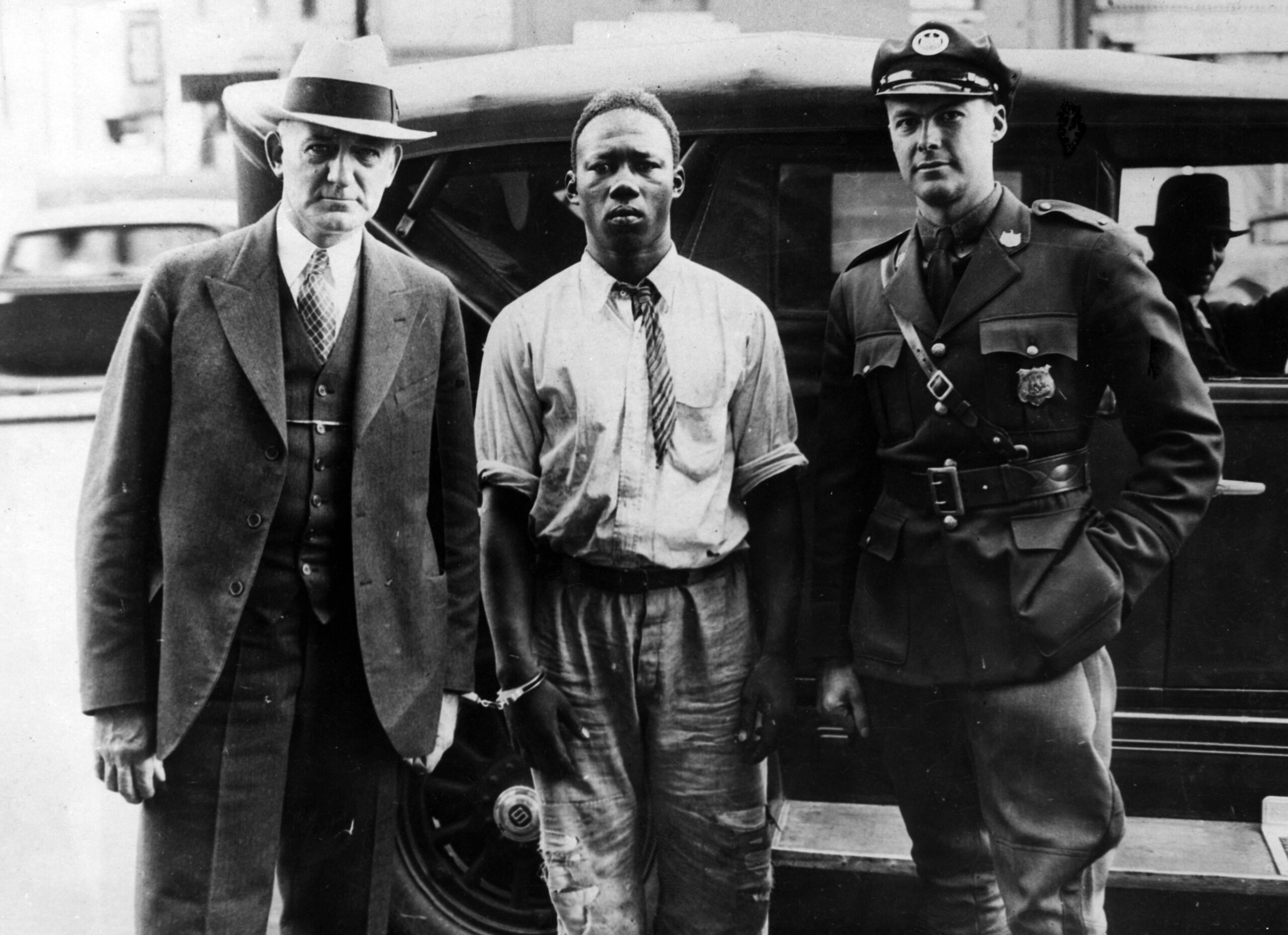
- Details about the horrific lynching of George Armwood in October 1933 in Princess Anne, Maryland (Eastern Shore) –the last recorded lynching in Maryland– are available from the Maryland State Archives. Broader details about post-Civil War lynchings that targeted Blacks and continued until the infamous lynching of Emmet Till in 1955 are available from the Equal Justice Initiative
- Lynching refers to extra-judicial killings, intended as punishment but not authorized by law and usually targeting racial or religious minorities. The US senate did finally pass an anti-lynching measure in 2018, but there was no House action at that time. However, in March 2022, the Emmett Till Anti-Lynching Act finally became federal law. Nobody has yet been prosecuted under that statute as of 2025.
SUBTEXT: Patriotic Dissent
- Compare and contrast how Esther Popel confronted the injustice of lynching with how Phillis Wheatley questioned the injustice of slavery.
- What types of details and imagery did Popel employ in this poem to help rouse the fury of her audience?
- Popel’s juxtaposition of the story behind the 1933 Maryland lynching with the recitation of the Pledge of Allegiance hammered home the hypocrisy of American attitudes toward race. What other authors in our curriculum have also pursued this type of rhetorical strategy?
METHODS CENTER —Research Journal, Part 2
- Always remember to keep looking; you never know what you might find