INTRODUCTION
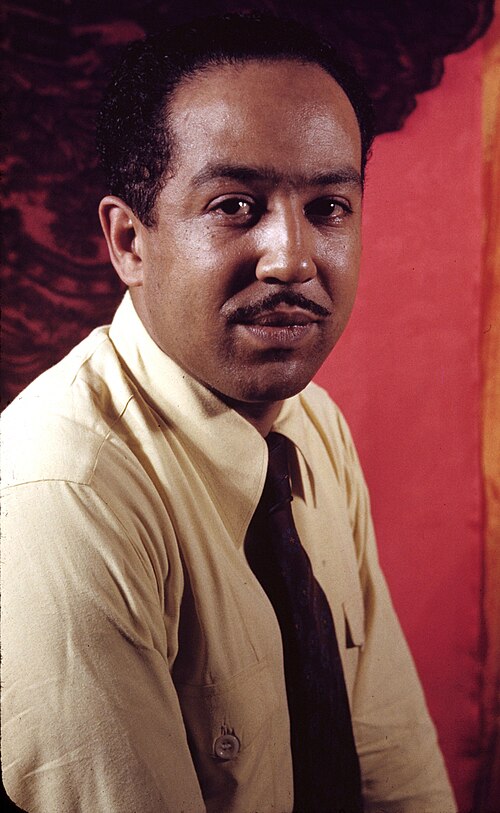
Langston Hughes (1901–1967) is best known as an intellectual leader of the Harlem Renaissance, a movement celebrating African American arts and literature that flourished in the Harlem section of Manhattan in New York in the 1920s and 1930s. Hughes was born in Missouri and spent time during his childhood in Lincoln, Illinois and in Cleveland, Ohio. He traveled the world after high school, studying and holding various jobs. He published his first volume of poetry, The Weary Blues, in 1926 before he had even graduated from college. This poem, “I, Too,” appeared in that volume from publisher, Alfred A. Knopf and created an immediate sensation. Hughes continued writing and traveling, publishing poetry, prose, fiction, and plays over the span of four decades. He is perhaps best known for his poem, “Harlem,” which appeared as part of collection entitled, Montage of a Dream Deferred (1951) and later became the inspiration for a popular play and movie by Lorraine Hansberry: “A Raisin in the Sun.” Hughes died in 1967.
I, Too
I, too, sing America.
I am the darker brother.
They send me to eat in the kitchen
When company comes,
But I laugh,
And eat well,
And grow strong.
Tomorrow,
I’ll be at the table
When company comes.
Nobody’ll dare
Say to me,
“Eat in the kitchen,”
Then.
Besides,
They’ll see how beautiful I am
And be ashamed—
I, too, am America.