Welcome to the The Dred Scott Conspiracy, a website designed for educators and students to determine for themselves the “real” conspiracy behind the Dred Scott case. “The Plot” page ties together how the secretive correspondence between three Dickinson College men controlled the fate of not only Dred Scott and his family but also for blacks, slaves or free. Collected here are letters, addresses, newspaper clips, images, as well as biographies of all members involved. Finally there is an interactive timeline that details the trials in the circuit courts from 1846 to the aftermath of the case in 1858.
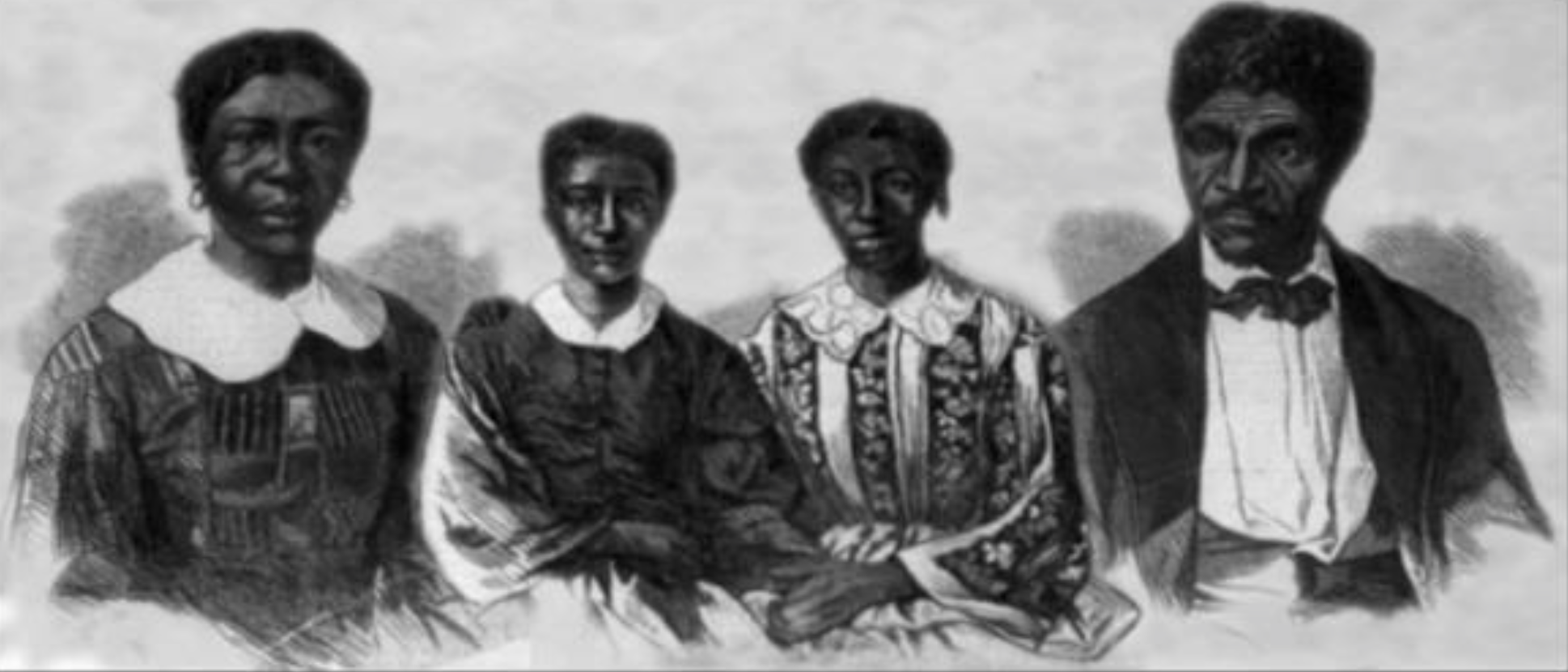
In the 1857 Dred Scott v. Sanford case, the United States Supreme Court permitted slavery to exist in the territories, prohibited blacks from obtaining citizenship, and ruled the Missouri Compromise of 1820 unconstitutional. This case was the product of an eleven year struggle beginning on April 6, 1846 in the St. Louis circuit courts when Dred Scott and his wife Harriet petitioned for their freedom. The Scott family was able to petition their status due to a Missouri law that allowed anyone, black or white, who was unreasonably held in slavery to sue for his or her freedom. Scott, an illiterate slave, was unable to write his name but left his mark of consent with an “X.”
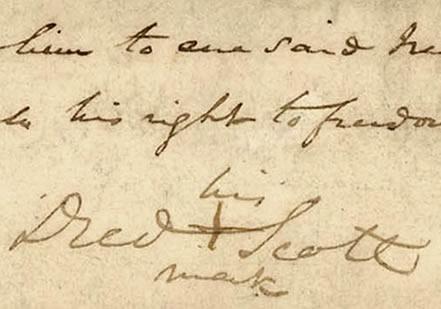
The Dred Scott case was not only decided amongst members of the Supreme Court but perhaps unethically through President-elect Buchanan, Chief Justice Taney and Justice Grier. Besides their proslavery interests these three men had another thing in common. Despite graduating at different times, they attended Dickinson College. Before taking office Buchanan wished to remove the issue of slavery in the territories through a majority opinion against Dred Scott. Knowing he had support from one Dickinsonian, Taney; Buchanan also turned to Grier to gain a non-slaveholders vote.
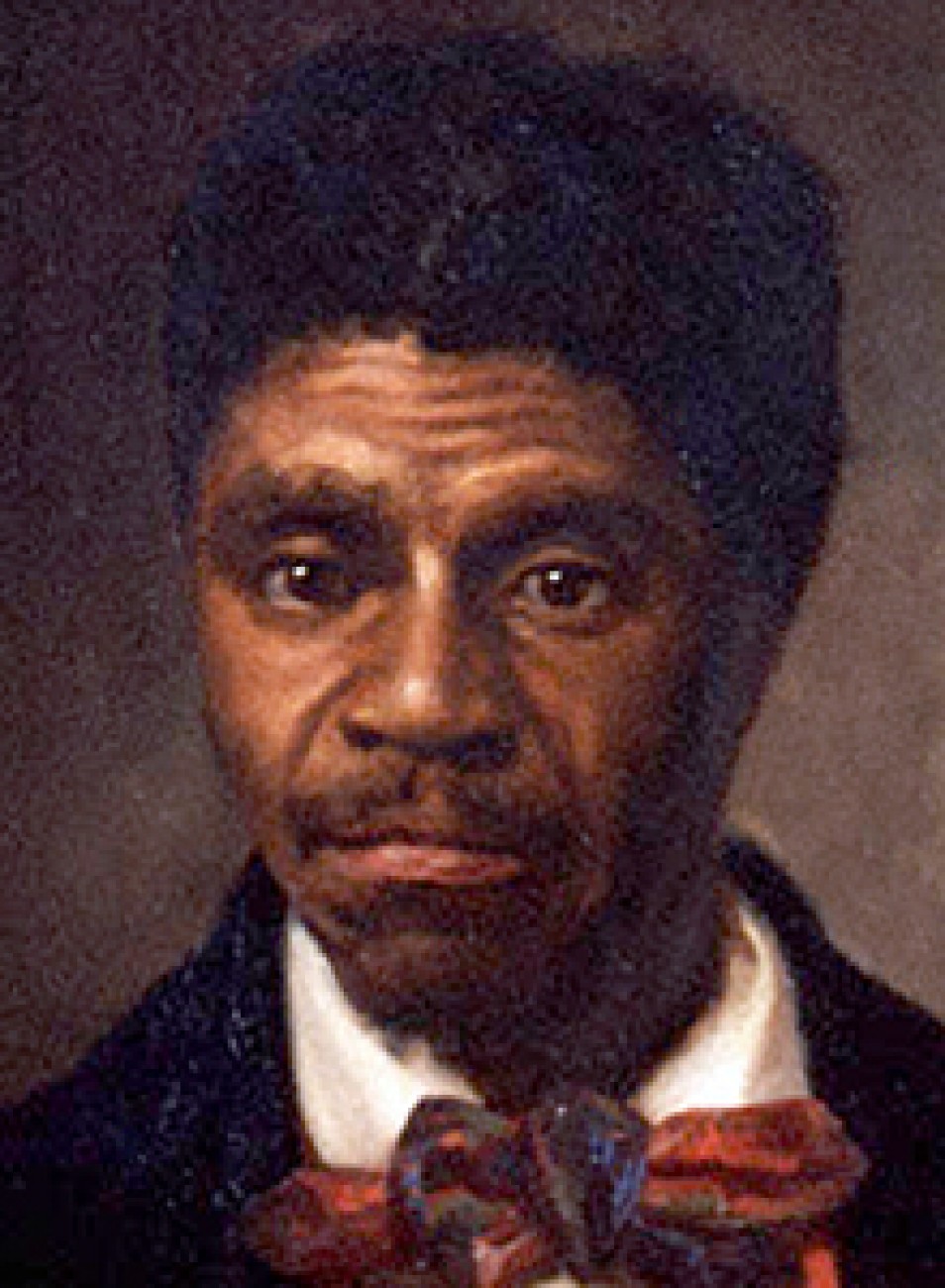
The Supreme Court’s decision in Dred Scot v. Sanford, has been marked in history as one of the worst decisions to ever be delivered by the Supreme Court. The orchestration of the decision amongst Buchanan, Taney and Grier did not settle the agitation over slavery, but prompted an even greater debacle – the Civil War.