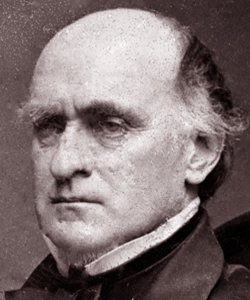
Justice John Archibald Campbell, a native of Georgia and a resident of Alabama, entered the Supreme Court on March 25, 1853 appointed by President Franklin Pierce, a Democrat. Campbell had opposed the court’s decision to accept the Dred Scott case, but ultimately concurred with the majority opinion crafted by Chief Justice Taney. Campbell later resigned from the court in 1861 following the outbreak of the Civil War and served in the Confederate government.
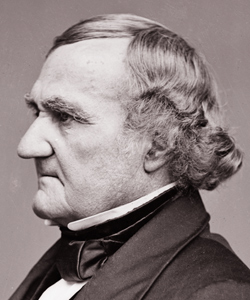
Justice John Catron, a Pennsylvania born and Tennessee resident, joined the Supreme Court in 1837 under the nomination of Democratic President Andrew Jackson. While Catron did not concur with Chief Justice Taney’s majority opinion in Dred Scott, he believed the United States’ Louisiana Purchase permitted slavery and the Missouri Compromise of 1820 to be unconstitutional. Catron played a fundamental and unethical role in this case, writing to ask President-elect Buchanan to persuade Justice Grier to join the Chief Justice’s majority opinion. Catron served on the Supreme Court until his death in 1865.
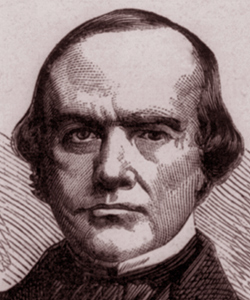
Justice Benjamin Curtis, born and raised in Massachusetts with his youngest brother George Ticknor Curtis was appointed to the Supreme Court in 1852 by Know Nothing Party President Millard Fillmore. Curtis joined the dissent in the Dred Scott case, arguing blacks had the right to become citizens of the U.S and it was Congress’s job to regulate slavery. He was outraged by the ultimate decision in the case and resigned on September 1, 1857, and passed away seventeen years later.
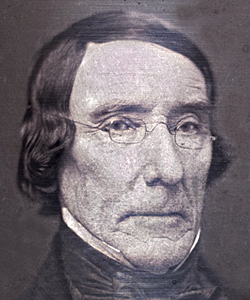
Justice Peter Vivian Daniel, a Virginia native, was nominated to the Supreme Court by President Martin Van Buren in 1841, a Democrat. Throughout Daniel’s later years he developed a strong dislike for the North, largely do to their attempts to abolish slavery. Daniel joined the majority opinion in Dred Scott and further argued that because blacks had once been property, they could never become citizens of the U.S. Daniel served on the Supreme Court for eighteen years and passed away in 1860.
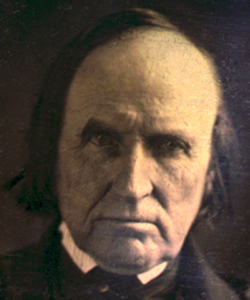
Justice John McLean, a New Jersey born and Ohio resident, was appointed to the Supreme Court in 1829 by Democratic President Andrew Jackson. Known for writing a series of antislavery opinions, McLean agreed against the majority opinion in the Dred Scott case. He declared any person born into slavery who became free could become a citizen of the United States. McLean spent almost thirty-two years on the Supreme Court before he died in 1861.
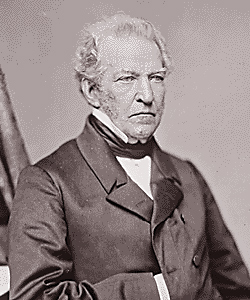
Justice James Moore Wayne, a native and resident of Georgia, was elected to the Court in 1835 by Democratic President Andrew Jackson. Wayne concurred with Chief Justice Taney’s majority opinion in the Dred Scott case. He argued that that free blacks could not become citizens, which confirmed Wayne’s efforts to promote slavery. Wayne had served on the Court until his death in 1867.
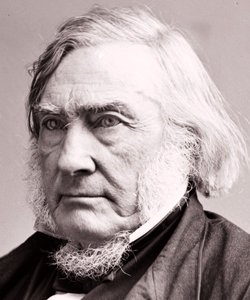
Justice Samuel Nelson, an inhabitant of New York, was nominated associate justice to the Supreme Court in 1845 by President John Tyler. Nelson initially voted that the Court should dismiss the Dred Scott case, but ultimately agreed that Scott could not become a citizen of the United States. Nelson resigned right before his fiftieth year on the bench in 1872 and passed away a year later.