Feminine Identity, Sexuality and Power in Italian Film and Media

Month: May 2019 (Page 4 of 5)

Competition Within a Teenage Girl’s Mind: Written Essay

Competition Within a Teenage Girl’s Mind

By Devon Anderson

For most of my young adult life, I have been constantly re-evaluating my femininity. I have looked at my body in a negative way, constantly acted flirtatious, and strived to improve myself in any way possible. The more I have been on social media, the more I began to understand that other women my age are obsessing over perfection as well. However, when discussing this topic more with my peers, I realized that this concentration on self-image went much deeper. Women tend to constantly compare themselves and compete with other women as well, trying to become the most liked person in the room. Not only do women compete in appearance, but they also compete for attention and intelligence (Linney, 97). However, this is because society does not see women as valuable unless they carry all of these important qualities such as intelligence and good looks. Even then, these women must except that they are subservient to men. They must hide their intelligence and speak softly. This is due to our patriarchal society. These aspects of “womanhood” make it incredibly more difficult to be seen as anything other than an object.

At first, I viewed this competition as haughty; who would want to be that way? However, I began to acknowledge that I, too, was partaking in this competition. Furthermore, I was doing it subconsciously. This is due to many of the influences that media has on young women including men judging women based on looks and other attributes. Theories such as evolutionary psychology state that this competition can also occur because “women need to protect themselves from physical harm, so indirect aggression keeps us safe while lowering the stock of other women” (Gordan, Paragraph 5). Gordan, a writer for the New York Times also states that “Research tells us that women are compelled to level the playing field by any means necessary to make sure we have access to the best genetic material, but since these are not real concerns in our modern lives, our competitiveness becomes something a bit more private and understandable.” This research was found from Noam Shpancer’s article “Feminine Foes: New Science Explores Female Competition” where he found that this could very easily be some part of the revolutionary cycle. This essay will explore the competition between women at young ages, how this competition in films is portrayed, and how this competition seen in films can give young girls unrealistic expectations about how they need to act in this society. The essay will explore all of these topics through three Italian coming of age stories: L’amica Geniale, Baby, and Cosmonauta.

First, I will discuss the competition among the main characters in L’amica Geniale. Lila and Lenù, two girls from a poor neighborhood on the outskirts of Naples, have a very complicated relationship. Lenù first becomes interested in Lila when she realizes that she is smarter than everyone else in her class. She can read and write, which for their grade is very astonishing. However, Lila is an outcast. She always comes to school dirty, is loud, and has no friendships. After this display of intelligence, Lenù starts to become infatuated with Lila. She follows her around and begins to play dolls with her, starting a relationship. The moment that defined this relationship was a scene in episode two of the first series. In this scene, Lenù and Lila are sitting near a grate. There is quite some distance between them which signifies their mistrust towards each other. They are still uncertain of how this friendship will go. They decide to switch their dolls, the objects which started their very friendship. Lila throws Lenù’s doll through the grate. The two get closer and closer, symbolizing that this event will bring them closer, and it does. Lenù throws Lila’s doll into the grate and yells “Whatever you do, I do” (Episode 1, 45:04). However, from this point, the relationship begins to turn manipulative. There is now more of a separation between the two. Even though they both threw their dolls onto the grate, the viewer sees Lenù as the innocent one that wants to become smarter through Lila, whereas Lila is seen as the manipulative part. “The friendship between Lenù and Lila begins, a friendship often characterized by jealousy and competition. Lila’s destructive action (it was she who threw the doll first) established its malice as a distinctive category from the beginning of the tetralogy, and in turn defines Lenù as the “good” part of the double.” (Iversen, 57). When Lenù gains the opportunity to continue her studies at middle school and Lila does not, the idea of Lila being the bad part of this relationship is furthered. She no longer has a traditional education. The two start competing with each other in terms of academics. Lila continues to study on her own and become the best at every subject Lenù is taking.

This competition continues when Lila becomes interested in a boy that Lenù is interested in. Lenù understands that Lila is prettier and smarter than her, which she determines as a threat. However, this competition does have positive effects. For instance, Lenù studies more and more, graduating at the top of her class. Lila continues to study on her own as well, furthering her education through the use of books and politically discovering communism within the community. Overall, it can be easy to see how competition can further a young person. However, this competition becomes detrimental to both the girls’ self-confidence. Not only do we see Lila making brass decisions to get Lenù in trouble such as skip school to see the ocean, but we also see Lenù begin to further herself for the wrong reasons. She no longer wants to further her education to better herself: she wants to do it to be better than Lila (Episode 4, 27:45). This competition creates uncertainties in their friendship and in their self confidence. The girls no longer see themselves as two individuals in a friendship but rather representing the good and the bad competing to see which one will prevail.

Now, I will discuss the competition between the two main characters in Baby. There are three different characters creating a competitive nature within the show: Chiara, Ludovica, and Camille. I will first discuss Chiara and Camille’s relationship. Chiara and Camille are the stereotypical best friends seen in most teen movies. They have been best friends since they were three, however it is unclear as to why they are still best friends. They are competing constantly in terms of friends and interest in boys. For Instance, When Damino, an edgy boy character moves to the school, they both become interested in him. When Chiara becomes aware that Camille is interested in Damino, she decides to pursue him anyway. This leads to them constantly competing for his attention. This can be seen by both of them making excuses to go see him and flirt. This jealousy can be explored in a scene that takes place during episode 2. Chiara and Camille are on top of a roof which overlooks Rome. This symbolizes their power they have over Rome with their monetary resources. Camille comes to the roof to check on Chiara. It is evident that Chiara feels uneasy about not only sleeping with Camille’s brother, but also being interested in the same man that Camille is (Episode 2, 12:24). Overall, this competition between the two surrounding their romantic interests makes them uncomfortable around each other.

Another form of jealousy also occurs when Chiara becomes friends with Ludovica. Ludovica is another edgy personality who is characterized by her sexual promiscuity. When this friendship becomes public, Camille becomes very jealous. She tries to talk Chiara out of the relationship as well as constantly giving Ludovica “dirty looks” (Episode 1, 8:40). Both of these types of competition increase the girls’ vulnerability and self consciousness. This can be displayed by Chiara becoming extremely uncomfortable around Camille when she talks about Damino which puts strains on their relationship (Episode 2, 7:45). It is evident that they both feel very uncomfortable around each other now that the topic of a boy has arisen.

Chiara also starts to become increasingly more sexually promiscuous such as having sex with older, married men (Episode 4, 35:26). Later on in the show, Chiara becomes a child prostitute. The competition between Ludovica and Camille is also detrimental. Camille is constantly commenting on Ludovica’s sex life, as well as other students. This leads Ludovica to seeing herself as useful for sex. She also becomes a child prostitute with this being one of the main contributing factors.

The film, Cosmonauta, by Susanna Nicchiarelli also discusses the topic of competition between the female characters.  The main character, Luciana, is competing with the antagonist, Fiorella, for a boy’s attention. The boy, Vittoro, is the head of the student communist collective and shows a large passion for this political party. Luciana becomes interested in him because of his passions and his looks. However, when Luciana introduces Fiorella to the collective, Vittoro takes a much larger interest in her rather than Luciana. This sparks the competition between them. The two girls are completely opposite. Luciana is stereotypically masculine in her appearance, speaks her mind, is comfortable with her sexuality, and passionate. Fiorella is very feminine, does not voice her opinion quite often, and acts ignorant. So, when this competition begins, it becomes very violent. At one point in the film, Luciana begins to hit Fiorella after she was kissing Vittoro, which is incredibly out of character for Luciana. This signifies that this competition was bearing on her personality and making her self conscious. The camera also pans to her brother, Autorro. Autorro is Luciana’s biggest inspiration. When there is this shot isolating Autorro’s reaction to Luciana fighting, the viewer can tell how important and drastic this fight is (Cosmonauta, 55:16). Luciana is forgetting about her passion for communism. However, in a self conducted interview, Susanna Nicchiarelli states, Luciana is struggling between whether or not she wants to be passionate about communism or passionate about her sexuality. This separation between the two is what really emphasizes the competition that most women must deal with. Luciana is originally forced to choose one passion as woman instead of having multiple, which is a luxury men have.

For all of these films, L’amica Geniale, Baby, and Cosmonauta, the aspect of competition portrays much more than simple relationships used to further the plot. Instead, these competitions are used to represent internal quarrels within the main characters. For instance, Lenù is personally conflicted with the idea that she must always succeed and be the best at everything. Not only must she be the best student, but she wants to be the best lover and the best possible friend. This stems from the overwhelming feeling that a woman feels the need to be a perfectionist. Linda Blair, a clinical psychologist who writes for The Guardian states that “perfectionists are those who strive for flawlessness, for a perfect creation, outcome or performance… They find it difficult to delegate, even if that means neglecting their health, relationships and wellbeing in pursuit of a “perfect” outcome.” Women tend to feel this at a much more overwhelming level than men do as well. A study conducted by Dr Jacqueline Mitchelson, a professor at Auburn University, states that “In both groups more men than women were classed as perfectionists who were happy with their achievements” (BBC News). Lenù is experiencing this perfectionism and struggling with it. This aspect makes her question herself as well as question her friendship.

The competition between Chiara, Ludovica, and Camille in Baby also portrays a much more complex internal decision that Chiara must face as she grows older. Chiara has the chance to become a much more daring person and neglect the privilege that her family holds in the city of Rome. If she follows Ludovica’s path, she will become free from the social restrictions of hiding one’s sexuality and free from judgement on actions that are astray from the social normality such as not studying and pursuing a career path not focused solely on money. She can become independent. However, if she does lead this path, she must accept that her friend who does follow these social normatives, Camille, will be lost. She will no longer have this security net of her parent’s money and status as well. This claim can be supported by the way Camille and Ludovica act. Ludovica is constantly expressing her sexuality by wearing exposing clothes, outwardly hooking up with men outside of her social circle, and experimenting with prostitution. Camille is associated with a more socially acceptable life. She does her school work responsibly, dates men within her social class, and dresses as well as acts conservatively. So, when Chiara competes with both Ludovica and Camille over boys and sex appeal, she is really trying to see which life suites her best and allows her the freedom she wants.

The competition between Luciana and Fiorella in Cosmonauta portrays a more complex battle within Luciana as well. Luciana is trying to figure out what type of woman she wants to be: the stereotypical woman of the 1960s who does not talk about politics and focuses solely on romance, or a woman who is invested in social change. Ideally, she wants to be a woman who is experimenting with her sexuality as well as a strong political figure, but soon realizes that it is very difficult to do both successfully. When she sees Fiorella succeed at having a relationship with Vittoro, she wonders if she must let her political side go. This internal struggle is portrayed in the fight Luciana has with Fiorella. However, at the end of the film, she realizes that even though society looks down upon sexually strong women who pursue careers, that it is possible. She eventually makes amends with Fiorella which represents her own conclusion to this theory (Nicchiarelli, Susanna).

In conclusion, this competition between female characters during these films are detrimental to the characters themselves. This is because the competitions force women to question their overall power in a way men do not have to. However, this is a struggle women have to face very frequently in everyday life. As Emily V. Gordan, a writer for the New York Times, states “Feeling on guard around other ladies is normal for a lot of women, and it’s exhausting. I exhausted myself for years trying to understand how other girls could have gone from my closest allies to my scariest foes.” Yet, this competition seems to be a necessity for the plot of all of these television shows and films discussing the topic of “coming-of-age”. This competition is exhausting and many girls and young women, however it portrays the struggles that we must go through that men do not. We must constantly reevaluate ourselves, making sure we are perfectly presented. This is the way we have been taught to succeed in this patriarchal world. On the surface level, this competition does seem haughty indeed, but as one dives deeper into the large ocean that femininity is, we start to understand that it is incredibly difficult to be a woman and express oneself as one feels. The competition seen within L’amica Geniale, Baby, and Cosmonauta allows the viewer to understand the internal struggle that women face everyday against the patriarchy within their own sex.

Bibliography

Costanzo, Saverio. “My Brilliant Friend.” HBO NOW®, 2018, play.hbonow.com/.

Dal Prà Iversen, Thera. Contro i Margini : L’amica Geniale Tra Dimensione Personale e Narrativa. 2017.       EBSCOhost,search.ebsohost.com/login.aspx?direct=true&db=cat00326a&AN=dico.1572895&site=eds-live&scope=site.

De Sica, Andrea, and Anna Negri. “Baby.” Netflix, 2018, www.netflix.com/.

Linney, Catherine, et al. “Maternal Competition in Women.” Human Nature, vol. 28, no. 1, Mar.

2017, pp. 92–116. EBSCOhost, doi:10.1007/s12110-016-9279-2.

Gordon, Emily V. “Why Women Compete With Each Other.” The New York Times, The New

    York Times, 31 Oct. 2015, www.nytimes.com/2015/11/01/opinion/sunday/why-women-compete-with-each-other.html.

Nicchiarelli, Susanna, director. Cosmonauta. Fandango, 2009.

Shpancer, Noam. “Feminine Foes: New Science Explores Female Competition.” Psychology

Today, Sussex Publishers, 26 June 2014, www.psychologytoday.com/us/blog/insight-therapy/201401/feminine-foes-new-science-explores-female-competition.

“Perfectionism Hits Working Women.” BBC News, BBC, 28 May 2009, news.bbc.co.uk/2/hi/health/8072739.stm.

Rai. “Anteprima L’ Amica Geniale.” YouTube, YouTube, 30 Aug. 2018, www.youtube.com/watch?v=ydnKAYtG9MM.

 

Il genere è personale e politico: Come i film di Alina Marrazzi dimostrano che le due non può essere separato

I film della regista Alina Marazzi si occupano di molte idee che circondano il femminismo. Eppure, i tre dei suoi film più noti—Vogliamo anche le rose, Un’ora sola ti vorrei, e Tutta parla di te—convogliano gli aspetti personali e politici. Ogni film coinvolge se stesso di narrativa personale che si aggiunge alla narrativa politica generale della femminilità. Ma i tre film sono diversi nei loro metodi per trasmettere il messaggio personale e politico. Per Vogliamo anche le rose combina tre narrazioni personali accanto a immagini dei media del tempo. Mentre Un’ora sola ti vorrei utilizza il metraggio personale della madre di Marazzi per raccontare la storia di una donna depressa a causa dei suoi sentimenti di sfollamento nella società che ha portato al suo suicidio. Infine, c’è Tutta parla di te che segue la lotta della depressione post-partum nelle donne. Se c’è una cosa che unisce questi tre film, è la loro capacità di fondere il personale con il politico. In questo modo, il personale serve a evidenziare ed estrapolare sul politico. Così, i film di Alina Marazzi, Vogliamo anche le rose, Un’ora sola ti vorrei, e Tutta parla di te, dimostrano che il personale è politico proprio come il politico è personale.

Vogliamo anche le rose inizia con uno spot degli anni ’50 che è modificato da Marazzi a includere un clip d’una donna nuda ballando. L’intera premessa del film si concentra sull’utilizzo delle narrative personali di tre donne—Anita, Teresa e Valentina—e mette i media—immagini, pubblicità e video domestici—dell’epoca in cima alle letture delle narrative. Come il studioso Paolo Bonifazio dice nel suo articolo “Feminism, Postmodernism, Intertextuality: We Want Roses Too (2007),” Vogliamo anche le rose è un ibrido che coinvolge un aspetto di compilazione e anche un “‘found-footage film,’” che aiuta Marazzi a sfidare le strutture sociale (Bonifazio 171). Un grande esempio di questo e il uso d’un diario della donna, si chiama Teresa, e il suo aborto illegale. Attraverso la narrazione di Teresa del suo aborto, le immagini che sono usato di cui lampeggiano attraverso lo schermo, invocano sentimenti di solitudine. Tuttavia, quando Teresa inizia a descrivere l’aborto stesso, a un certo punto lei dice che si sente come se fosse in un blocco di ghiaccio. La sensazione di freddezza persiste e viene spostata sugli spettatori mentre un video di piedi nudi che cammina sul ghiaccio arriva allo schermo. Questa è poi seguita da una nave che attraversa gli iceberg, non solo aggiungendo alla sensazione di freddezza, ma anche suggerendo che la nave sta facendo violenza a quel ghiaccio. Questo riempie il pubblico con i sensi visivi e uditivi della freddezza con la violenza indesiderata e costringe alla simpatia per la storia di Teresa. Infatti, il movimento femminista in Italia negli anni ’70 riguardava la liberazione sessuale e l’aborto faceva parte di questa lotta. Eppure, forzando la simpatia nel pubblico con la storia simultaneamente personale e politica dell’aborto di Teresa, Marazzi combina i due. In tal modo, personale e politico si combinano in uno.

Lo stesso accade nel suo film più personale, Un’ora sola ti vorrei. Questo film utilizza l’home video che suo nonno ha fatto con sua madre, Liseli. Come osserva Emma Wilson nel suo articolo, “‘Her hair over her arms and her arms full of flowers’: Love and Unknowing in Alina Marazzi’s Un’ora sola ti vorrei (For One More Hour with You) (2002),” c’è un senso di fragilità dell’intero film (Wilson 11). Eppure, nonostante questa fragilità, il messaggio dei ruoli di genere forzati e dei loro effetti dannosi rimangono chiaro. La teoria secondo cui alcuni sostengono sia la più potente è quella dello sguardo maschile. Per attraverso la totalità del film, Marazzi utilizza video ripresi dallo sguardo maschile, o lo sguardo idealistico del nonno di Alina. La studiosa Stefania Benini dice nel suo articolo “‘A face, a name, a story’: Women’s identities as life stories in Alina Marazzi’s cinema,” che lo sguardo del nonno di Alina “.. capture[s] only the surface without sensing or accepting [Liseli’s] deep uncertainties, [and] is a patriarchal gaze blind to Liseli’s malaise” (Benini 133). Questo film non vuole solo dimostrare come lo sguardo maschile sia distruttivo, dato che ci sono molti momenti nel “found-footage” in cui la carcerazione di Liseli in rigide norme di genere è evidente. La pressione che sente di conformarsi alla maternità e di “essere una buona madre” dimostra come la maternità sia per qualcuno superficialmente soddisfacente. In altre parole, la maternità non è per tutti, e non esiste una “madre perfetta”. Di nuovo, anche se questo è un estremo, Marazzi costringe il personale e il politico a diventare uno.

Infine, c’è il film Tutta parla di te che è diverso dai due che sono descritti sopra. Questo film segue una donna che fa amicizia con una donna che lotta con la maternità. Anche se questo si collega e addirittura estrapola sui problemi trovati in …, si spinge più verso una narrativa fittizia invece che su un documentario. Tuttavia, la maternità e ruoli di genere forzati giocano un ruolo importante, e c’è molta discussione su ciò che esattamente la maternità comporta e su chi ne beneficia. Tuttavia, a differenza di Liseli, le due donne di Tutta parla di te, Pauline ed Emma, si appoggiano l’una sull’altra invece di guardare gli uomini nella loro vita in cerca di aiuto. Quindi, c’è una rottura con l’ideale domestico, proprio come in Vogliamo anche le rose. Anche se in Vogliamo anche le rose questo si vede alla fine con gli sguardi disgustati sul volto di ogni donna mentre le nuove leggi vengono lette a loro (Luciano and Scarparo 248), la rottura domestica viene dalle sfumature intrinsecamente femministe del film. Due donne, una che lotta con le pressioni della società mentre una madre e l’altra che nasconde la sua colpa e la sua vergogna, si guardano l’un l’altra—e altre donne—per chiedere aiuto, ma mai alla società. In tal modo, le loro discussioni evidenziano i confini rigorosi a cui sono costrette queste donne, e come la maternità sia diventata un’aspettativa sociale invece di una scelta personale.

Così attraverso i suoi tre film, Vogliamo anche le rose, Un’ora sola ti vorrei, e Tutta parla di te, la regista Alina Marazzi abbatte le barriere che separano il personale dal politico, e usa questa nuova combinazione per illuminare i suoi spettatori sul lato più soggettivo della storia di femminismo. Inoltre, includendo il personale, Marazzi è in grado di rendere i suoi film molto più applicabili alle donne, in quanto le storie che usa sono strettamente storie di donne—i diari, le lettere, le cartelle cliniche appartenevano tutte alle donne. Nel fare questo, noi, come spettatori, siamo resi acutamente consapevoli della prospettiva femminile. Mentre Vogliamo anche le rose cerca di evidenziare il personale e giustapposizione è con le immagini del politico per dimostrare che i due non sono così dissimili, Un’ora sola ti vorrei e Tutta parla di te usano il personale per evidenziare i problemi con il politico. Tuttavia, ogni film si costruisce l’uno dall’altro e, a sua volta, diventa evidente che nel movimento femminista il personale è politico.

Works Cited

Benini, Stefania. “‘A face, a name, a story’: Women’s identities as life stories in Alina Marazzi’s cinema.” Studies in European Cinema 8.2 (2011): 129-139.

Bergonzoni, Maura. “Alina Marazzi’s Un’ora sola ti vorrei and Vogliamo anche le rose: The personal stands for the political.” Studies in Documentary Film 5.2 and 3 (2011): 247-253.

Bonifazio, Paolo. “Feminism, Postmodernism, Intertextuality: We Want Roses Too (2007).” Literature/Film Quarterly (2010): 171-182.

Luciano, Bernadette and Susanna Scarparo. “Re-inventing the Women’s Liberation Movement: Alina Marazzi’s Vogliamo anche le rose & Paola Sangiovanni’s Ragazze la vita trema.” Annali d’italianistica (2012): 243-253.

Wilson, Emma. “‘Her hair over her arms and her arms full of flowers’: Love and Unknowing in Alina Marazzi’s Un’ora sola ti vorrei (For One More Hour with You) (2002).” Paragraph 38.1 (2015): 7-19.

Personal and Political Connections of Motherhood and Womanhood in Alina Marazzi’s Films


The phrase “the personal is political” was used to highlight the connection between personal, lived experiences and greater political structures during the second wave feminist movement of the 1960s and 70s. While this idea was coined in reference to women’s oppression in the home, its message is still believed and practiced in political commentary today. Director Alina Marazzi’s films We Want Roses, Too and For One Hour More With You both highlight and challenge the ideas of motherhood and femininity that women were faced with in the 1960s and 70s through a filmic juxtaposition of personal and political storytelling. We Want Roses, Too is

composed of found footage from around the time of the second wave movement. Marazzi manipulates old advertisements, interviews, home movies, diaries, and footage from the movement to showcase how the second wave impacted women both individually and on a larger

scale. For One Hour More With You is a much more personal piece wherein Marazzi uses her grandfather’s home footage and her mother’s diaries to document her mother’s life and eventual battle with depression and suicide. Both of these films use similar mediums of storytelling through found footage and diaries, which allows them both to highlight how gendered political and social expectations of the time hurt women on an individual level.

Because We Want Roses, Too uses a plethora of different kinds of footage, there are many ways in which motherhood and domesticity is established as a social construct used to limit women to the private sphere. In particular, Marazzi manipulates multiple advertisements from the time period to highlight how women were expected to behave in society and what roles they were allowed to fill. Towards the beginning of the film, Marazzi manipulates old print ads from the 1960s in conjunction with a song that describes the ideal, marriageable woman. In all of these images, the women are being gazed upon or pursued by men, thus implying that a woman’s goal should be to grab the attention of men in such ways. Then later in the film, Marazzi uses an animated commercial for detergent from the time period to highlight the absurdness of societal expectations surrounding a woman’s role in the home. The ad depicts a conventionally beautiful woman, competing with other women for who can produce the cleanest rag after shining a man’s (assumingly her husband’s) shoe. The woman is then presented with a winning trophy for the cleanest rag by a panel of white, male judges. This clip alone would show the audience how the appreciation of women was limited to achievements in the home and through being a mother and wife, but Marazzi shows this ad in conjunction with an old interview with a real, Italian housewife. While going about her morning chores, the woman talks about how “You don’t find out what marriage entails until it’s too late.” and that women must find reasons to leave the house so “you don’t suffocate indoors.” (Marazzi, 2007). By using a dated advertisement that frames the expectations of women, along with an interview from a women living these expectations, Marazzi is calling attention to the fact that limiting women’s worth to the home is absurdly demeaning. By bringing together both personal accounts and greater reflections of the society in this sequence, Marazzi is emphasizing the connection between societal constructions of motherhood and how they can hurt real women, an issue that was adinmently fought by second wave feminists.

But interviews and advertisements aren’t the only mediums Marazzi uses to draw this personal connection. Throughout We Want Roses, Too is narration from three different diaries of women who lived and experienced the damages of women’s oppression during the second wave. Each diary refers to different issues of the feminist movement, such as abortion rights, constructs of femininity and sexuality, and relationships to other women. The mear use of these gives the film’s subject a more personal context that helps showcase the feminist movement’s progression through real accounts and experiences. The diaries’ contents are deeply personal to the women who wrote them, but when used with footage from the time like advertisements and interviews, they give the film’s footage a much deeper context (Benini 137, 2011). For example, the film starts by looking at what the construction of motherhood and marriage meant, and how it limited women to a very particular, domestified role. After framing this issue, Marazzi then brings in the diary of Anita, a young women who struggled mentally in understanding who she is in relation to her family and herself. Anita’s narration mentions how her father’s conservative ideas about a woman’s role in society have left her feeling lost and unsure of who she is, since the constructs of heteronormative practices don’t seem to make sense to her. The expression of these concerns through Anita’s eloquently troubled voice gives these issues very real context, that lets the viewer know how they affected women personally. The thoughts of the diaries are then reflected back and reiterated through the use of interviews and other found footage mediums, thus creating a direct link between women’s personal and political issues of the time.

Marazzi uses narration in a very similar way in her other film For One Hour More with You, which tells the story of her mother’s life and struggle with clinical depression. Because this film only tells the story of Marazzi’s mother, Liseli, all of the narration and storytelling is from Liseli’s diaries and letters. Unlike We Want Roses, Too, this film starts with the personal and then expands into the political by linking the message of her mother’s depression and suicide to societal expectations of motherhood and femininity. Liseli remarks on how the responsibilities of being a stay at home mother make her feel unhappy and alone, which then makes her think something is deeply wrong with her. Because she was raised by a society that has very specific expectations of women (marriage, motherhood, etc.), her inability to feel satisfaction from them makes her think there is something inherently wrong with her, and that it is because of her own flaws she isn’t happy to be a mother (Bergonzoni 249, 2011). Of course to a contemporary audience, the manifestation of these issues is understood as a fault of societal expectations and not personal deficiencies. Marazzi helps her audience understand this through the use of her mother’s diaries and internal thoughts, which mentions Liseli feeling inadequate compared to her mother, who she believes is the perfect mother and wife due to her outward beauty and consistent happiness. This comparison along with many other quotes from Liseli show the audience how her internalization of female perfection and motherhood affected her sense of self in a very negative way, thus contributing to her depressive mental state. Without outrightly making this connection to the political issues of the time, Marazzi is demonstrating how the expectations of women in the 1950s and 60s led some women to feel incomplete in their domestified lives, which was one of the the main issues faced by the feminist movement in Italy.

Marazzi doesn’t just highlight these issues of motherhood and societal expectation in her films, but works to challenge them. After framing the ideas of domesticity and women’s expectations through diary narration, interview clips, and manipulation of advertisements in We Want Roses, Too, Marazzi then challenges them through the use of found footage from the feminist movement in Italy. There are many clips throughout the film that show different aspects of the movement and its work, such as consciousness raising groups, protests, and feminist recruitment videos. Because these clips were originally made by feminists for other women, their messages are inherently resistant to the narrative of domesticity and female oppression, thus making their use in the film a source of opposition to women’s traditional role in the patriarchy.

These not only document the work being done by feminists group, but provide context as to how the movement was changing Italian society and law. Their use gives the film a linear progression through time that follows the growth of the feminist movement, thus directly relating the diary narrations and interview clips to a greater political context. The type of feminist footage used is then correlated to what issue the film is looking at, based on the movement’s timeline. Towards the beginning, most of the clips from the movement consist of consciousness raising groups where women are expressing their personal grievances with societal oppressions. Then later in the film there is footage of the feminist movement thriving through the depiction of large protests or feminist films made to popularize the movement. Marazzi pairs this progression with the diary entries and the different issues discussed in them. For example, the last diary used is from a woman named Valentina who was a feminist activist in the Italy’s movement. Out of the three diaries, Valentina is arguably the most ‘liberated’ since her diary’s focus is on her relationship to the movement and other women, while the other women’s diaries focus on their relationships with men. Valentina’s words discuss a whole new set of issues for women’s selfhood that doesn’t directly pertain to men, but to other women and how they help form each other’s sense of self (Bonifazio 176, 2010). In placing Valentina’s diary towards the end of the film, Marazzi is emphasizing how the movement itself challenged the way women thought of themselves, by encouraging them to think of themselves in relation to other women, and not just men (Bonifazio 176, 2010). These entries then match with feminist footage that encourages women to join the movement, so they can talk freely about their sexuality and other women-related issues. So while the footage is itself oppositional, Marazzi’s use of them in conjunction with Valentina’s diary creates a connection between personal and greater political resistance.

In For One Hour More with You, Marazzi challenges societal norms through the message and narration of her mother’s diaries. Liseli discusses feelings of inadequacy and unhappiness that are caused by her comparison of herself to her mother and societal expectations. This lense of understanding is resistant to traditional storytelling in that the woman gets to narrate her own story, with no influence from other people, especially the men in her life. In recounting her mother’s life and suicide through Liseli’s own words, Marazzi is challenging the traditional narratives that her mother lived in during the 1950s and 60s, wherein men controlled women’s roles and stories. During the second wave, women speaking out and having female voices be heard within the mainstream narrative was an act of resistance to patriarchal norms (Bergonzoni 251, 2011). By mirroring this in her films through female narration, Marazzi is using second wave tactics of resistance to create a theme of feminist opposition in both her films.

The ending of this film also creates a theme of patriarchal struggle through her mother’s treatment in psychiatric hospitals. During this time, mentally unstable housewives were treated in dehumanizing, terrible ways that left their brains fried and devote of any personality so that they could better fit the mold of the perfect wife and mother. Towards the end of the film, Liseli’s narration comes from her time in mental institutions where she went through many invasive treatments such as narcotherapy and shock-therapy. Her sorrowful recollection of being tied down after one of these treatments gives the viewer a look into how severely unhappy and mentally unwell women were treated during this time. Using this narration with footage of Liseli’s face makes the issue personal to Marazzi’s mother, and thus invokes a feeling of heartache in the viewer. By creating this feeling in the viewer, Marazzi is successfully framing the patriarchal practices as negative and hurtful to women, much like the work of the second wave. This feminist approach is intrinsically oppositional to mainstream constructs of women and motherhood, which gives the film’s ending and final message a subtext of feminist resistance.

Marazzi is also challenging the issues discussed in her films by using the overarching theme of “personal is political”. In For One Hour More with You, the connection between her mother’s feeling of incapability when it came to mothering and the greater pressure on women to fit a certain ideal, is a use of the personal is political. Unlike We Want Roses, Too, FOHMWY doesn’t explicitly mention this idea, yet it is heavily implied throughout her mother’s story, and the film’s ending. The ending of We Want Roses, Too also brings the film’s message back to the individual. After showing the title of the film one last time, implying that the film is over, Marazzi includes one last clip of a classroom of lower class women listening to their legal rights being laid out. The shot is very stagnant, and shows the stoic faces of the women listening to an instructor tell them that “There is no distinction between men and women.” (Marazzi, 2007). This scene is then followed by a  30 year timeline of legal events relating to the movement’s work. The length of the timeline along with the intense, non-diegetic music creates a sense of uneasiness in the viewer about how prolonged progress can take. This ending is taking the contents and message of the film, and pointing them back at the viewer in a call to action. The disturbingly slow legal progression shown in the timeline lets the viewer know how the contents of the film relate to them, and tells the viewer that the work of the second wave is far from over. In doing this, Marazzi is bringing the personal of “personal is political” to the individual viewers by relating their lives to the work of the movement, which brings the message of the film full circle.

Marazzi’s ability to frame and then challenge women’s issues of the 1960s and 70s through her films is a beautiful use of the feminist idea, the personal is political. Her use of real female narration through the diaries from the time period and of her mother not only relates issues of the time to real women’s feelings and thoughts, but also challenges traditional idea of storytelling and narration in documentary filmmaking. While the connection between personal experience and political movements is more clear in We Want Roses, Too due its coverage of the second wave movement in Italy, For One Hour More with You also creates this bridge through the use of her mother’s own words and thoughts. In WWRT the use of different mediums of found footage, such as interviews and advertisements,  also allows Marazzi to manipulate popular ideas surrounding domesticity from the time to seem backwards and oppressive to women, similarly to the work of the feminist movement (Benini 136, 2011). The use of second wave footage then establishes a linearity of the movement through the film, which helps highlight a progression into more radical feminist thought with the help of specifically placed diary narration. Through all of these techniques, Marazzi draws the lines between personal and political experience, a practice that was heavily used by feminists of the second wave. In doing so, Marazzi is practicing feminist thought by encouraging her audience to think of their lives within the greater context of feminism.


Work Cited


Benini, Stefania. “‘A Face, a Name, a Story’: Women’s Identities as Life Stories in Alina

Marazzi’s Cinema.” Studies in European Cinema, vol. 8, no. 2, Oct. 2011, pp. 129–139.

Bergonzoni, Maura. “Alina Marazzi’s Un’ora Sola Ti Vorrei and Vogliamo Anche Le Rose: The

Personal Stands for the Political.” Studies in Documentary Film, vol. 5, no. 2/3, May

2011, pp. 247–253.

Bonifazio, Paola. “Feminism, Postmodernism, Intertextuality: We Want Roses Too (2007).”

Literature/Film Quarterly, vol. 38, no. 3, 2010, pp. 171–182.

Marazzi, Alina. Un’ Ora Sola Ti Vorrei. [Videorecording] = For One More Hour with You.

2002., 2005.

Marazzi, Alina, director. We Want Roses, Too. 2007.

Domesticity & Feminism in Alina Marazzi’s Films- Videoessay

Looks at Alina Marazzi’s film, We Want Roses, Too and For One Hour More and how they convey and challenge expectations of motherhood and domesticity during the 1960s and 70s through the use of found footage and narration.

[ensemblevideo contentid=4jmOWoAoz0uOHYz9TxE_ug]

This is a transformative video for educational use only. The content of this video is protected by the Academic Fair Use clause (Section 107) of the U.S. Copyright Act of 1976. For further information, see: copyright.gov/circs/circ21.pdf

Representations of ‘Oriental Women’ in Italian Cinema

In questo capitolo, prendendo in considerazione ciò che ho spiegato in precedenza nel primo capitolo e cerco di analizzare il modo in cui anche la discriminazione razziale ha un impatto sulle donne migranti. Analizzerò inoltre il modo in cui questi film dimostrano quanto è impotenti e dislocati nella società italiana, senza la capacità di aggirare autonomamente e come sono usati come strumenti per aiutare gli uomini a combattere i loro problemi. In contrasto con la donna dell’Est europea, la donna asiatica straniera viene presentata con un ulteriore dilemma: il fatto che non assomigli alla tipica persona italiana. Usando i film Io sono Li di Andrea Segre e La stella che non c’è di Gianni Amelio, analizzerò la rappresentazione della donna asiatica che ci offre una nuova prospettiva sulla razza in un contesto migratorio.

Edward Said, autore del libro Orientalism, definisce l’orientalismo come un luogo che non è solo quello che gli americani chiamano la Cina e la Corea, per dire alcuni. L’Oriente non è solo vicino all’Europa, ma è anche il luogo più grande d’Europa e colonie più ricche e più antiche. L’Oriente ha anche introdotto molte civiltà e società prodotte ricche di lingua e pratiche culturali. Oggi vediamo l’Oriente come una parte separata del mondo che non può essere compresa. Said scrive, “the American understanding of the Orient will seem considerably less dense, although our recent Japanese, Korean, and Indochinese adventures ought now to be creating a more sober, more realistic “Oriental” awareness. Moreover, the vastly expanded American political and economic role in the Near East (the Middle East) makes great claims on our understanding of that Orient” (Said 10).

Come vengono cambiati i ruoli quando si possono vedere diversi toni della pelle, ascoltare una lingua o un accento diverso e vedere le diverse caratteristiche del viso? Sono diverse le rappresentazioni? Io sono li di Andrea Segre e La stella che non c’è di Gianni Amelio, rispondono perfettamente a queste domande. La donna straniera asiatica è vista come una donna che non ha emozioni o capacità di emulare sentimenti. Sebbene non sia sessualizzata come i personaggi di Ksenia Rappoport, è orientalizzata (Said).

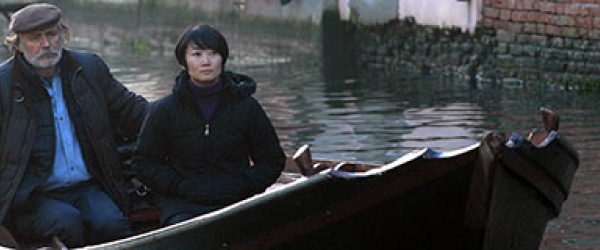
Io sono Li è la storia di una donna cinese, Shun Li, che è emigrata dalla Cina all’Italia cercando una vita migliore. Lavora in un laboratorio tessile nella periferia di Roma cercando di ottenere i documenti per portare suo figlio in Italia ma anche per ripagare quelli che hanno prestato i soldi per la sua emigrazione. All’improvviso, Shun Li viene trasferita a Chioggia, una piccola città situata nella laguna veneta per lavorare come barista in un bar. Anche se non è felice, è costretta ad andare se vuole ripagare i suoi debiti. Nel il film, incontra Bepi, un pescatore di origine slava, soprannominato dagli amici come “il poeta”. Il loro incontro è una fuga poetica dalla solitudine, un dialogo silenzioso tra culture diverse. Bepi è l’unico che non la tratta come donna senza emozioni e queste sono alcune delle uniche interazioni in cui la vediamo sorridere.

Nella sua caratterizzazione, Shun Li è distante. È lontana dalla sua famiglia, dagli amici, dalla cultura e anche lontana da se stessa. Il problema con il modo in cui è inserita nella società italiana è che lei è incompresa. Poiché non hanno la capacità di capirla, è orientalizzata. Quindi il problema non è che sia cinese, ma è che non riesce a esprimersi. Desidera affetto, amicizia e forse una sorta di valore umanizzante, ma la sua situazione non le consente di soddisfare quei bisogni. Perché succede questo? Questo succede perché l’immigrazione agisce sulla personalità. Nel dire questo, mi richiamo al concetto della trasposizione, cioè “a notion that captures the essence of a leap from one code, field or axis to another” (Baraitser 126). Shun Li diventa una figura nomadica che si deve continuare a spostare e scambiare con nuove culture. Per poter fare questo scambio, dobbiamo essere pronti a fare un salto attraverso questo particolare abisso (Baraitser 126). Per sintetizzare visivamente lo stato di trasposizione di Shun Li e il valore del continuo spostamento culturale, vorrei analizzare una scena in cui vediamo Bepi parlare ai suoi amici di Shun Li e della sua mancanza di linguaggio. Bepi diventa un personaggio simpatico all’inizio del film perché in realtà capisce cosa vuol dire essere un migrante che cerca di adattarsi alla società locale. Anche se sappiamo che Shun Li deve molto denaro alle persone che l’hanno aiutata a emigrare e capiamo che lei ha un obiettivo che deve perseguire per essere riunita a suo figlio, possiamo ancora vedere che è dislocata mentalmente. Non sa dove si trova, cosa sta facendo, ed è sottomessa agli uomini del bar che ridono di lei. Nel secondo fotogramma, possiamo vedere che Shun Li diventa sottomessa anche a Bepi e gli permette di insegnarle come fare la bevanda che tutti chiedono. Mentre tutti gli altri la stanno ridicolizzando, lui si alza per aiutarla. La mise-en-scène allude alla sottomissione perché Bepi appare più grande di Shun Li e sembra anche posizionata di fronte a lei mentre lei si ferma per guardarlo mentre prepara la bevanda. Come personaggio potente, si mette dietro il bancone per insegnarle quando il suo posto è di fronte al bancone, non dietro.

Bepi and Shun Li sono mobili e nello stesso modo in cui quei personaggi lottano per essere capiti, noi come pubblico non capiamo dove siamo. Come spettatori, sentiamo la loro dislocazione e simpatizziamo con le loro lotte. La lingua è anche significativa in questi ambienti perché si sposta da un posto all’altro nello stesso modo in cui la donna lo fa. Io Sono Li ci permette di capire che la lingua cinese non sarebbe stata presente a Chioggia se non fosse stato per l’aspetto di Shun Li in questo posto. Il poliglottismo è usato come un modo per spostare la nostra dinamica usata nel cinema ed è importante usare queste tecniche nel film per creare una diversità di personaggi, spazi sociali e culture (Chung 192). Chung continua la sua discussione dicendo che

The vast majority of the Chinese spoken is subtitled in Italian…at the same time, most of the action takes place in the Veneto where the Chioggian dialect is spoken rather than standard Italian, and is also subtitled. The intersection point between these two language worlds is the main protagonist Shun Li, who speaks in heavily accented, halting Italian and learns a few phrases of the local dialect. The effect is to familiarise the Other and to defamiliarize the familiar. This locates the viewer in the ‘in-between space’ of transposition, enabling them to zigzag into and out of both Chinese and Chioggian, to transcend the embedded values implied by their diegetic opposition (Chung 195).

Questo è significativo da notare perché il monolinguismo mostra come gli stranieri sono dislocati e presenta anche un dilemma per il pubblico mentre guardiamo il film come estranei ma impariamo a simpatizzare con i personaggi perché ci sono molte volte in cui non capiamo nemmeno la lingua e devono affrontare il problema di rimanere fuori dalla conversazione. Questo film è unico perché ci obbliga ad identificarci con i possibili sentimenti dei personaggi anche se non esprimono i sentimenti stessi.

Allo stesso modo, La stella che non c’è di Gianni Amelio mostra il modo in cui le donne sono spesso messe a tacere ma anche utilizzate come strumento per la storia romantica ma anche strumento per raggiungere consapevolezza, evoluzione e maturità da parte dell’uomo, in questo caso, Vincenzo, il protagonista. Il film racconta la storia di Vincenzo che è un ingegnere italiano in un’acciaieria in bancarotta, acquisita da un gruppo di Cinesi, vicino a Napoli. Quello che scopriamo è che il signor Chong e le persone che arrivano con lui sono venuti per acquistare e smantellare la fabbrica e trasferirla in Cina. Vincenzo viene inviato in Cina perché deve pubblicizzare e riparare una macchina particolare. Quando Vincenzo si rifiuta di spiegare loro come riparare la macchina, viene licenziato. La ragione per cui lui non vuole spiegare è  perché lui considera la macchina difettosa e responsabile della morte di un lavoratore. Quando Vincenzo finalmente identifica il difetto, i cinesi se ne sono già andati. Vincenzo torna a Shanghai, dove il signor Chong gli spiega che le macchine sono state vendute in un’altra fabbrica. Ma la cosa più importante è che Vincenzo ha una connessione con Liu Hua, che è la co-protagonista del film.

Liu Hua era una studentessa dell’università di Pechino al momento della ripresa. Lei è “Vincenzo’s key to access the ‘real’ contemporary China” (Bona 51) perché così come Vincenzo, anche lei ha bisogno di ricostruire la sua vita. Durante il film apprendiamo che è una studentessa fallita e una madre single senza lavoro stabile. Spesso le donne si appoggiano agli uomini per sicurezza, ma anche Vicenzo sembra appoggiarsi a lei per chiedere aiuto. Come spiega Bona, il ruolo di Liu “seems to encapsulate the harsh life of the so-called ‘floating population’ of internal migrants – the over 200 million Chinese people who (often illegally) moved from rural areas to follow work opportunities in industrialized cities in search of a better life” (Bona 51). Sebbene entrambi siano considerati protagonisti, questo film è interessante nel modo in cui continua a sostenere il predominio maschile, innanzi tutto perché Liu non è in scena tanto spesso quanto lo è Vicenzo. Bona sostiene che “With a few exceptions, the camera never leaves Vincenzo, and occasionally uses point-of-view shots…his feelings, frustrations and unexpressed ideas are underlined by numerous and accurate close-ups of his bewildered look and on a final, long, liberating cry” (Bona 51).

Questo ci porta anche al tema dell’economia. Entrambe le donne presentate in questi film non sono finanziariamente stabili, hanno bisogno di assistenza di altre persone per vivere la loro vita e sostenere la loro famiglia. Anche loro sono oppresse in questo modo – Liu in La stella che non c’è, è stata licenziata dal suo lavoro mentre Shun non ha autonomia finanziaria a causa dei rimborsi del suo prestito. Liu è tradita da Vincenzo mentre Shun si sente tradita dallo stato economico in cui si trova e dalle persone che controllano la sua vita.

Ma perché questo è importante per il tema generale delle donne migranti in Italia? Per il personaggio di Vincenzo, Liu è usata come strumento per permettere a Vincenzo di arrivare alla conclusione del suo privilegio come uomo ma anche della situazione economica. Attraverso questo film di strada o “road movie”, Vincenzo impara molto della Cina – per esempio, le condizioni di lavoro delle persone nelle fabbriche, la povertà di molte famiglie, e come vengono trattate le donne. I problemi di Liu sono il motivo per cui Vincenzo arriva ad essere consapevole del proprio privilegio e il ruolo di Liu ha una funzione strumentale per far migliorarlo come personaggio. Questo lo vediamo nella scena finale quando Liu lo trova di nuovo vicino al binario del treno e condivide un pezzo di pane con lui. Questo è un simbolo diretto del cattolicesimo e la forma di Dio che lei diventa per lui. Così come Liu lo ha già fatto arrivare alla conclusione che il mondo orientale ha problemi, allo stesso modo lo salva attraverso la condivisione del pane e lei gli offre anche dei soldi, anche se lei non ha molto.

In questo modo, lei lo salva dandogli una motivazione e una consapevolezza che lui non aveva prima di aver viaggiato in Cina. Anche se non sappiamo cosa farà perché il film finisce in modo molto vago, Vincenzo ha le conoscenze per tornare in Italia e avere un impatto sulla società.

In conclusione, Shun Li, di Io sono Li, riesce a connettersi con un altro immigrato che sa cosa significa avere difficoltà in un luogo diverso mentre Liu di La stella che non c’è, il messaggio è di speranza. Entrambi i film rappresentano la dislocazione del luogo. Io sono Li presenta questo attraverso Shun Li e la sua relazione con le persone intorno a lei. Questo cambia per la donna quando incontra Bepi and crea una relazione con lui perché Shun inizia a capire molto di più sul posto in cui vive e Bepi serve come guida per Shun.

La stella che non c’è, tuttavia, presenta questo nel modo opposto che è molto interessante. Piuttosto che usare l’uomo per insegnare alla donna di più sull’ambiente in cui si trovano, Liu insegna Vincenzo sulla vita in Cina e viene usato come strumento per maturare e far crescere la sua comprensione della cultura cinese e conoscere i privilegi che la gente fuori dall’Oriente. Oltre alla loro dislocazione sono anche discriminati razzialmente e la gente li vede come difficili da capire.

« Older posts Newer posts »

© 2026 I am (Not) yours


Academic Technology services: GIS | Media Center | Language Exchange

Theme by Anders NorenUp ↑