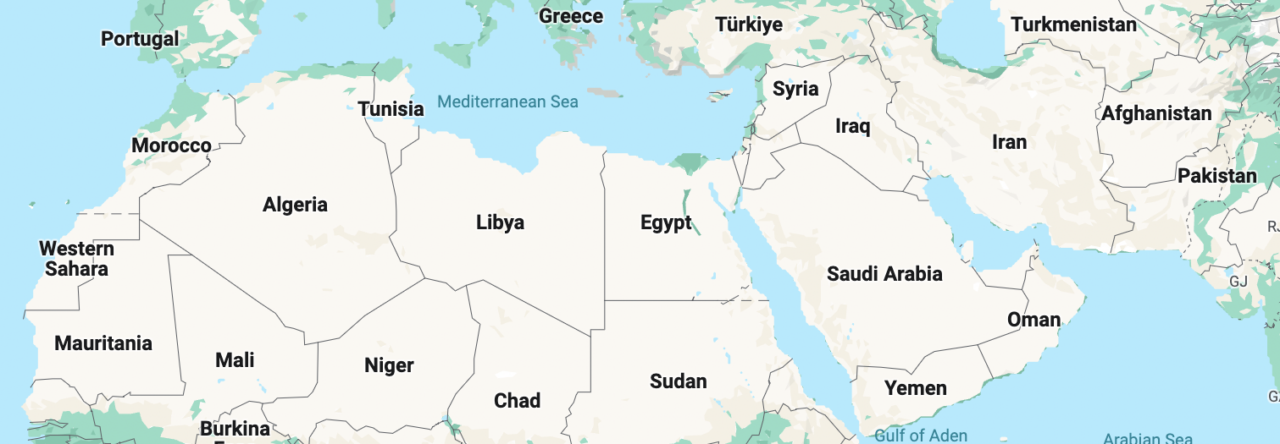
As a political science and environmental studies double major, this video is at the intersection of what I study in regards to environmental policy and climate change. This film was enlightening when it comes to how climate change impacts people and their livelihoods at an individual level, especially in the MENA region. This became a topic of discussion when Tunisia was protesting for democracy in 2010 and 2011. I thought the film was very well done in the breakdown of the problems associated with the sand and sea, especially through the use of community testimonies. The overall message was clear, with only one critique that I picked up on.
The Salt
The first half of the film primarily focuses on the issues related to salt and rising sea levels. This is a concept that is drilled into my head over and over again in environmental courses, but I think I lacked understanding of how this actually impacted people on the individual level. Sea level rise has been a topic of concern for a few decades now, but I think I misunderstand how much damage the rising levels create. Morsi Fekhi, a marine ecologist with multiple appearances in the film, had a lot of insight on this. 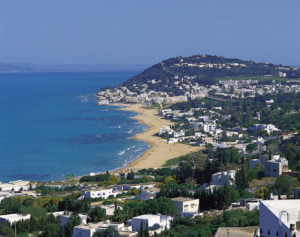 He talks about how there used to be about 2 cm of rise a year, and now people are seeing a 2-4 cm rise in the span of 6 months (Fekhi). Mere centimeters do not seem like cause for concern, but it is noticeable over time. One clip showed a waterfront hotel where the water was coming up to the steps, and a man said it seemed like the ocean was always getting closer when he looked at it. These testimonies make the situation much more real for viewers. It’s even more troubling when you consider that this was filmed nine years ago. A recent article from the Tahrir Institute For Middle East Policy reported that Tunisia’s Kerkennah islands could see a rise of 50 cm by the end of the century, and significant parts of the islands would disappear underwater (Tahrir). The other issue highlighted about salt is the fishing industry. Fishermen were interviewed and all shared similar experiences about the lack of fish. Historical overfishing and warming ocean temperatures have drastically reduced fish yields in the Mediterranean. As this continues, more people who depend on the sea to make a living will come up short.
The Sand
This section of the film stuck out to me because it is an environmental issue that I never considered. As stated in the film, “the sand paralyzes the development of the region” (Al-Faouar). While I knew the region deals with desertification, I never considered 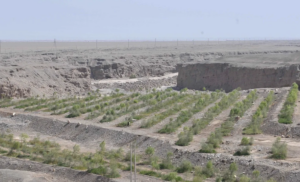 what that meant for people and their lives. One resident states how “the sand can annihilate a whole city” (Al-Faouar). As global warming increases, more land eventually becomes desert due to lack of rain. Wind pushes the sand around, often impacting agriculture. While sand seems not as damaging as other effects from global warming, the testimonials in the film argue differently. So many people highlighted how towns can shut down when there’s too much sand, the lack of crops, and fear for the future.
Final Thoughts
I think this was a raw and thought-provoking look at how climate change has impacted Tunisia based on their geography, and what needs to change. I like how the last part mentioned how Tunisia has embedded climate change policy into their constitution, along with Ecuador and the Dominican Republic. The only criticism I came up with this film was the lack of mention of desalination plants. I know that Tunisia now uses that technology along with many other countries in MENA, and it could have been mentioned as a strategy to help with lack of available water. Besides that, the film provided a great explanation of Tunisia’s afflictions from climate change.
Ed Webb
Desalination was historically too energy-intensive to deploy widely in Tunisia. But the phenomena covered in the documentary are part of why it has become increasingly necessary, and has attracted international development assistance. Here’s an article from a couple of years ago: https://www.kfw.de/stories/environment/natural-resources/tunisia-desalination-of-sea-water/