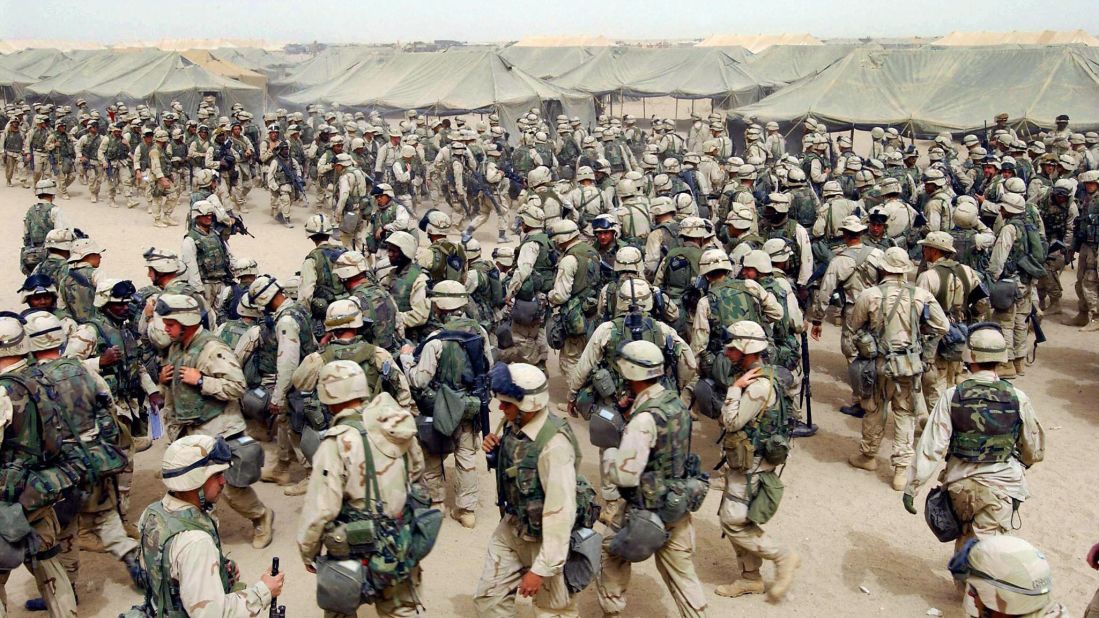
The 2003 Invasion of Iraq by the United States and the “coalition of the willing” had profound effects on Middle Eastern regional politics.
Firstly, it took Iraq out of the region’s power game. Already suffering after decades of war and sanctioning, this invasion and subsequent coup ensured Iraq would, in no time soon, reach the levels of power it once held and be a major player in influencing the region’s happenings. Their longtime opponent, Iran, was therefore able to take advantage of their gap and emerge as a leading regional power without its neighbor challenging it.
Iran, since the 1979 Islamic Revolution, has not been a United States ally. Their emergence as a significant power shifted dynamics in the region. Iran, as a counterforce of U.S. allies and many Sunni-led governments, has since interfered in the politics of competing countries and supported Shi’a groups like Hezbollah. The 2003 invasion and Iran’s power growth has perhaps allowed them more freedom in massively building up arms, and maybe a nuclear program.
Saudi Arabia, on the other hand, has filled the spot of a U.S.-backed power, and has also emerged as a major economic influence. Since Iran has become the main leader of the Shi’a Arab world, Saudi Arabia has filled the same role for the Sunni Arabs. In opposition of Iran, and in peace with the United States, Saudi Arabia has pursued negotiations and peace between Arabs and Israelis. The rise of Saudi Arabia has made the Gulf Region bipolar (with Iran at the other axis) with tense, but relatively non confrontational, relations.
The invasion also demonstrated a shift in U.S. intervention in the region. The Iraq War was in no way sanctioned by the UNSC, was mostly unilateral in nature, and the reasons for it turned out to not be validated. This proved the ability and, above all willingness, of the United States to intervene in the region, even if unpopular. Also, the invasion served as a justification for the U.S. to have constant military presence in the region, and the ensuing power dynamic change has just strengthened this position.
Another significant consequence was the rise of many terrorist groups. The invasion led to much instability, economic downturn and anti-Western sentiment within Iraq, which allowed for different fringe groups to gain power quickly and efficiently. It therefore partly allowed for the emergence of the Islamic State in Iraq, which has continuously exerted influence against not only the U.S., but in non Islamic governments and U.S. allies. This marked a shift towards non-state significance in international politics. These groups are also often supported by other states or regimes, which complicates the relationships between states.
The resulting shift of power in the region after the 2003 invasion allowed for new actors to fill voids and old actors to step up to a relatively unchallenged level. This has created a fractured political system with multiple different fronts, supporters, and ideologies. Not only has this affected the Gulf, but it has also affected the United States, which has ramped up presence in the Gulf and doubled down on existing alliances and agreements. This, in turn, has affected how the U.S. is perceived in the Gulf, especially by non U.S.-allied states, their groups, and their citizens.
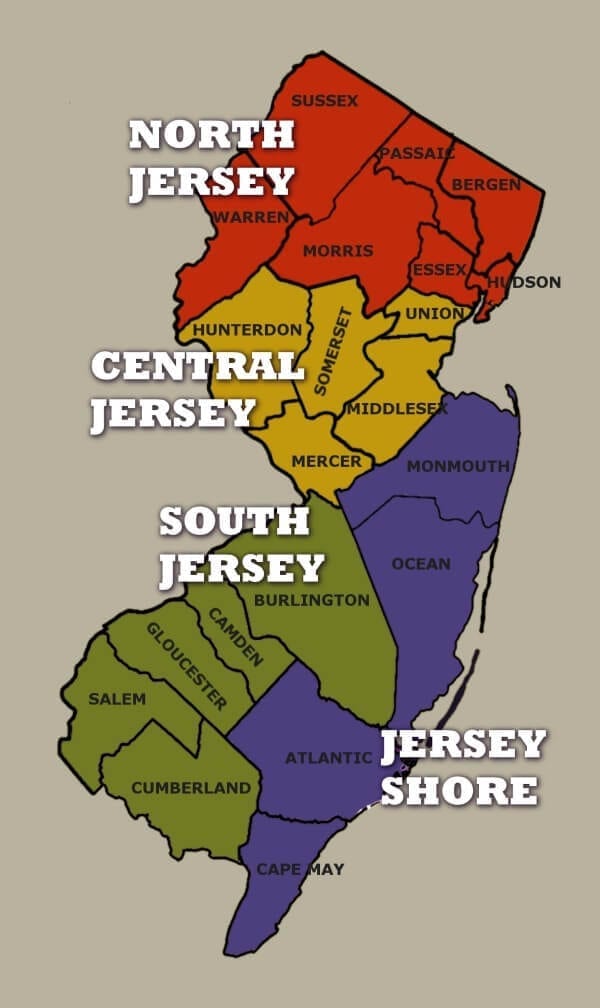
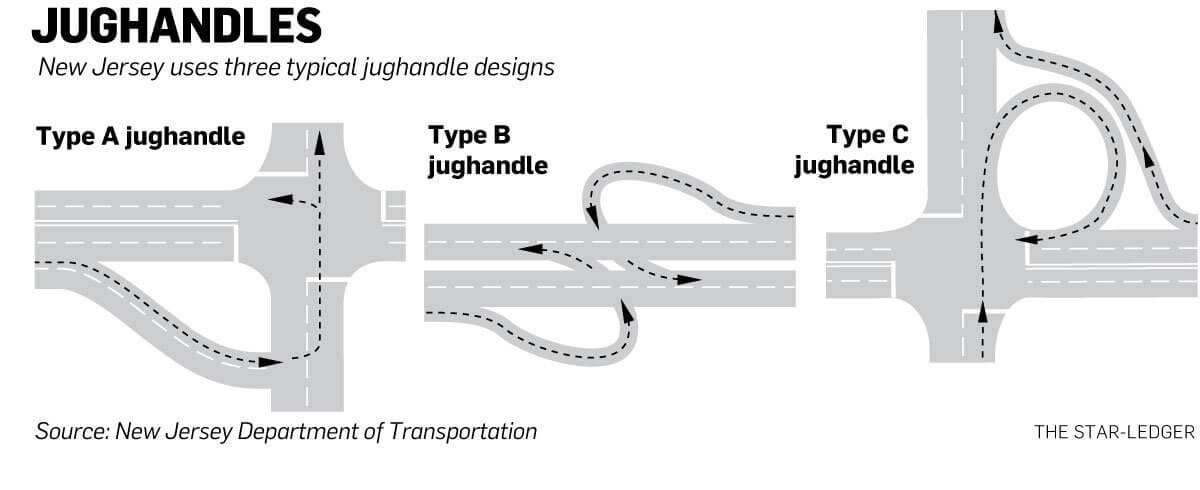 mom-and-pop Italian restaurants, and curse out Pennsylvania plates who get confused on the highway at the concept of “jug-handles.” We celebrate “mischief night” the night before Halloween, and order “disco fries” at diners. We, in North Jersey, call it “taylor ham” instead of pork roll, and notoriously order it as “taylorhameggandcheesesaltpepperketchup” at the counter of the deli.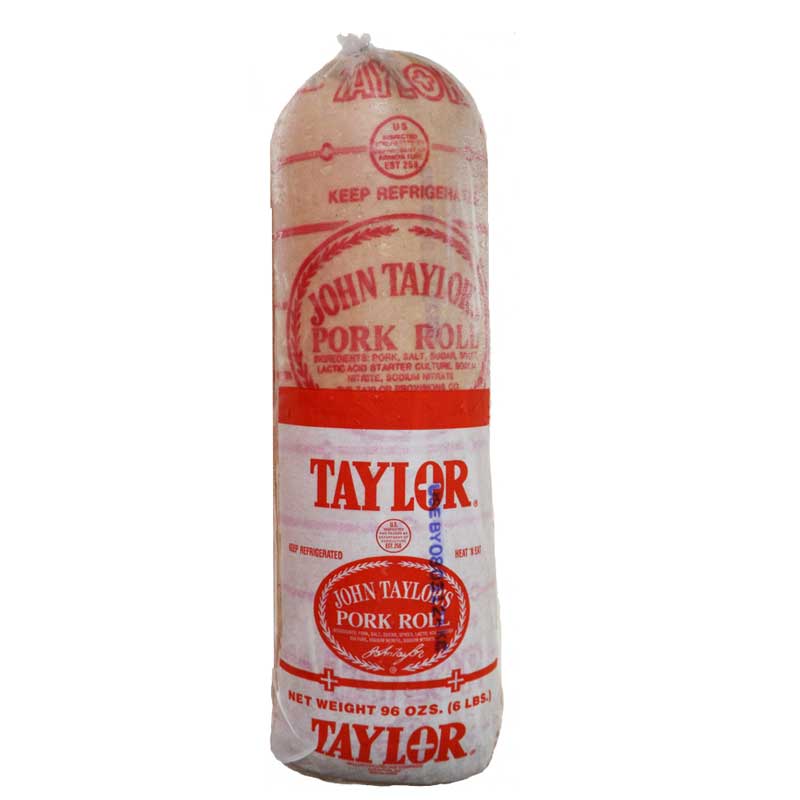
 Despite being right across the river, a resident of Hoboken, Jersey City, or even West New York would never say they they live in a NYC suburb. New Yorkers who drive into Jersey for games or concerts at Metlife Stadium might be mocked for claiming a stadium and teams who play and exist solely in East Rutherford. We claim Ellis Island and the Statue of Liberty, though New Yorkers might say otherwise, and Bruce and Sinatra are uniquely ours. There is competition with New York and Connecticut over who has the best bagels, the best pizza. North Jersey claims NYC as “the city,” though in South Jersey that epithet may refer to Philadelphia.
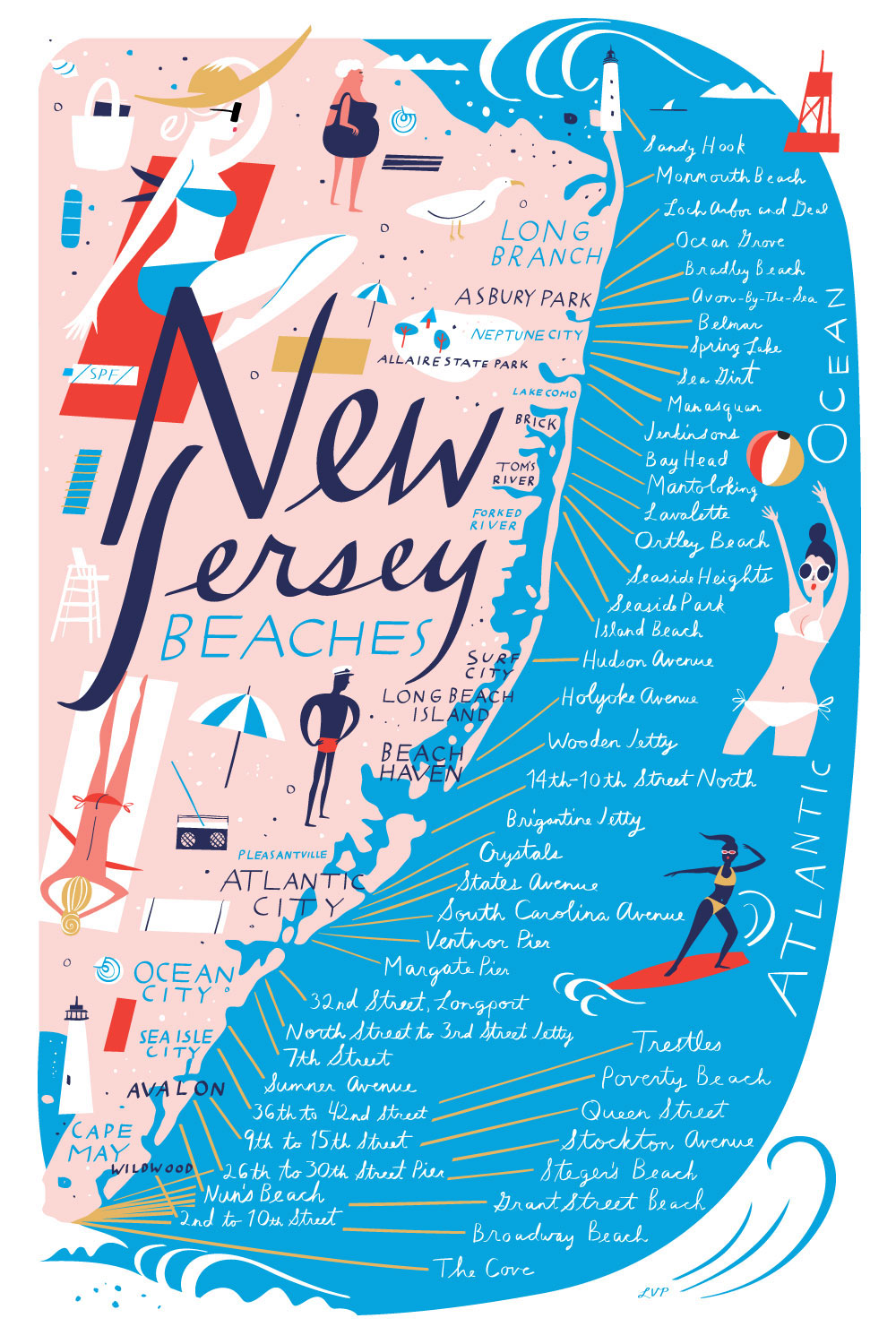 state drivers, I complain when they’ll cut me off in an exit-only lane, or when they go the speed limit (or under) in any lane but the right-hand one(a Jersey faux pas). I am proud of the Jersey Shore, and truly think it is one of the greatest stretches of coastline in the United States, though I get frustrated when popular public beaches like Seaside Heights or Long Branch are congested with Pennsylvanians.
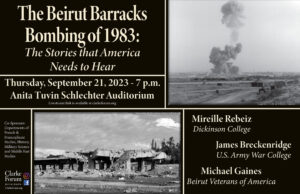
 wanted to extend his term. The U.S., ope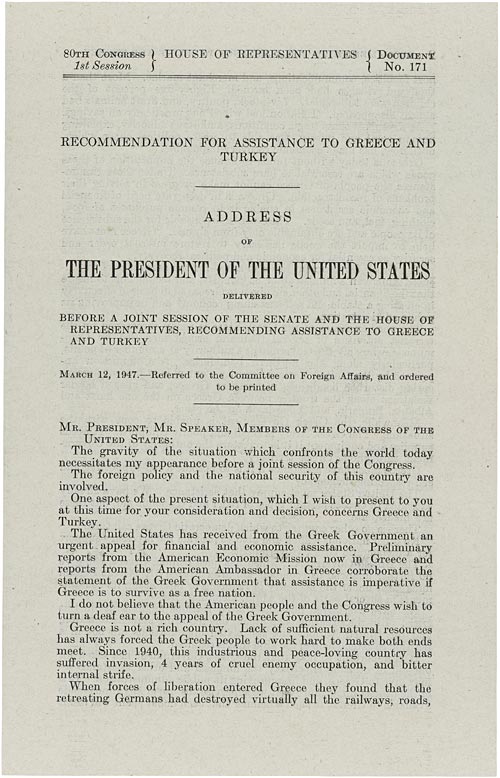
 The Marine Corp was involved directly with the Lebanese army, which was mostly Maronite Christian. This caused anti-U.S. conflict as many Lebanese saw that move as the Marines taking sides. The U.S. embassy was bombed, and the airport was relentlessly attacked. Then, on October 23, 1983, 241 soldiers killed by a detonated truck bomb, which was the largest loss of life on the Marine Corp in a single day since Iwo Jima.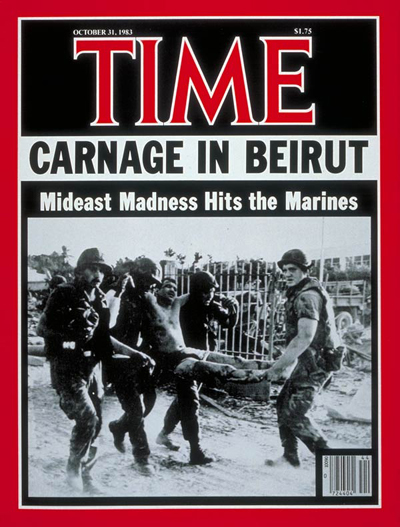
 the entire CIA contingent in Beirut, and the challenges that arouse from the sudden absence of intelligence occurring from such a strategic attack. For such a monumental event (one compared to Iwo Jima!), I’m surprised it has not stood the test of time in history education and in the greater collective memory. My great uncle was an Okinawa Sugar Loaf veteran, and the forum made me think of him and the dying contingent of WWII vets, and how their experiences will soon be history, rather than memory. Iwo Jima and other destructive WWI battles like those on Okinawa iare greatly remembered–how can we develop those same remembrance principles with other attacks on U.S. citizens?