Inheriting a Holocaust Legacy
Memory, Trama, and Meaning Across Three Generations
By Azriel Grysman
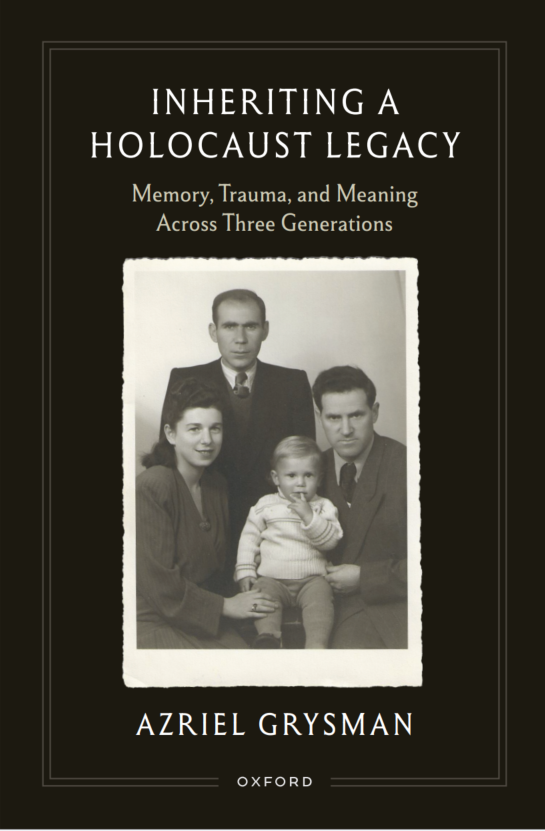
— About the book
How are the memories of a traumatic past transmitted from one generation to the next?
Azriel Grysman, professor of cognitive psychology and memory – and the grandchild of a Holocaust survivor – explores these questions through the experiences of his own family.
Drawing on research in memory, trauma, and intergenerational storytelling, Grysman examines the lives and memories of three Holocaust survivors: his grandfather, great-uncle, and great-aunt. He explores how each survivor understood and narrated their experiences, which stories they chose to share, and what remained unspoken.
Through interviews with the survivors’ children and grandchildren, Grysman then traces how memories migrate across generations. He shows how later family members come to understand themselves in relation to a past they did not directly experience, how stories are transformed as they are retold, and how descendants grapple with both the knowledge they inherit and the gaps they cannot fill.
Blending psychological insight with personal and family history, this book offers an exploration of memory as a complex and ever-evolving process of making meaning from lived experiences. Grysman sheds light not only on one family’s experience of the Holocaust, but also on the ways people use the past to understand who they are.
What emerges is a model of memory as a constant conversation between cells and stories, between our brain machinery and our relationships with close others. Memory is at the same time a representation of the past and a sense of who we are as we carry that past with us.
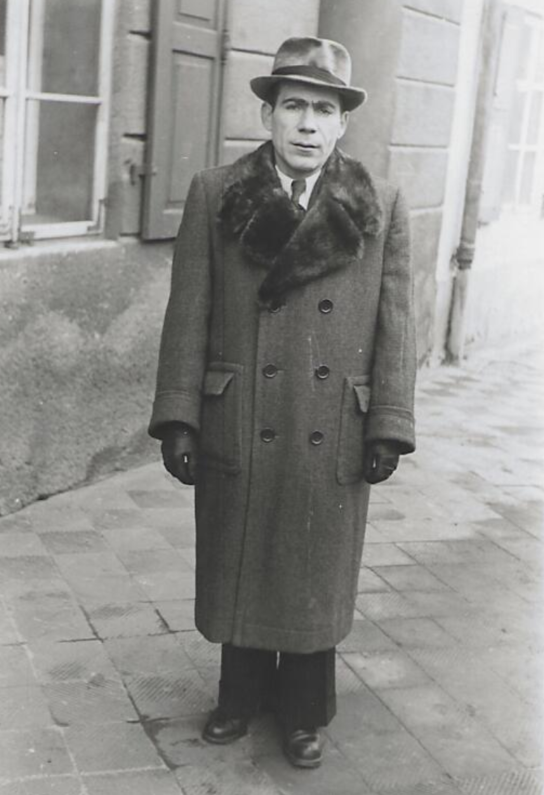
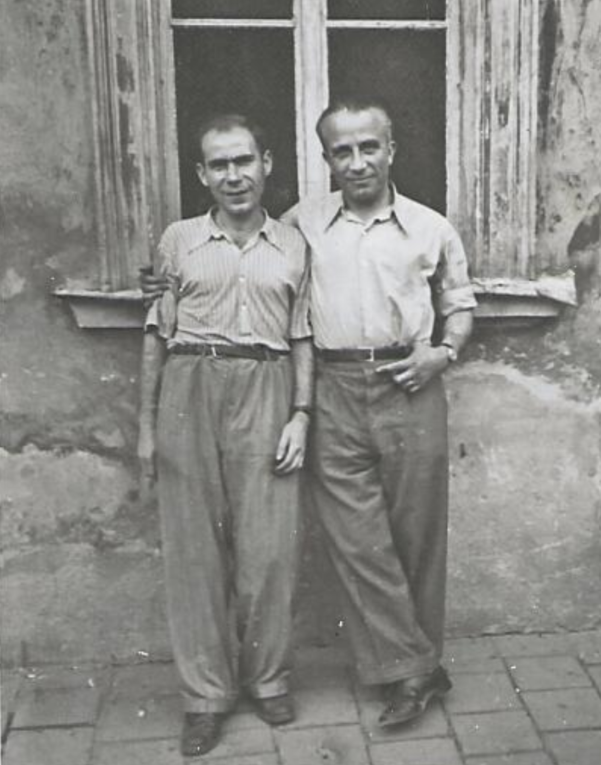
Meyer Grysman
Born 1911 – Kielce, Poland
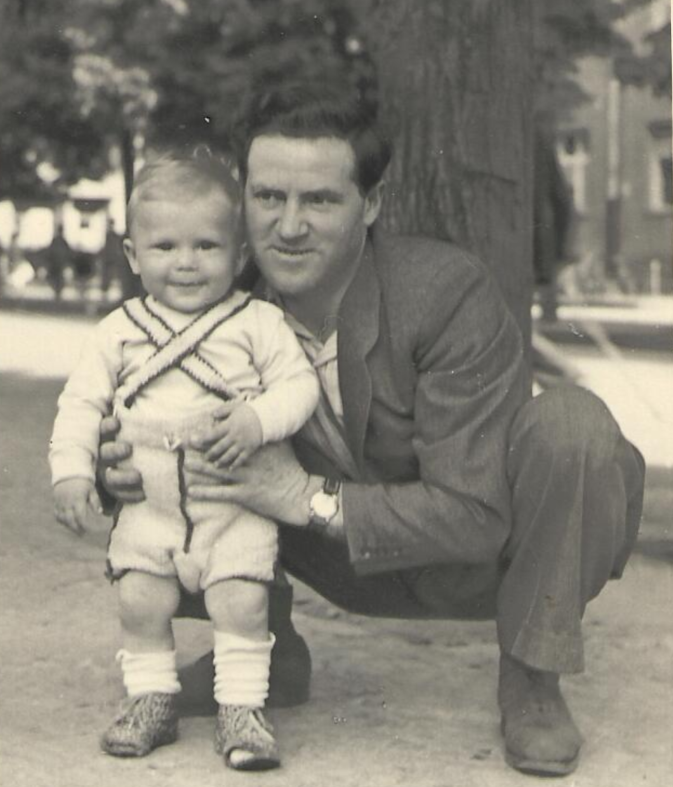
Meyer Grysman, the author’s grandfather, was born in Kielce, Poland, in 1911, and described his pre-war family life as happy, despite being relatively poor. His father died when Meyer was a teenager, leaving him and his older brother, Morris, with the responsibility of supporting the eight siblings and their mother. Meyer shared very limited details about his wartime experiences. During the war, he snuck in and out of the Kielce ghetto, hid in the forest, and jumped off a Nazi train bound for Treblinka, where most of the family was killed. In the later years of the war, he was interned in a forced labor camp in Pionki, and then in the concentration camp of Bergen Belsen. When the British liberated that camp, he was found in a near-dead state, and was nursed back to health over the course of months. He reunited with Morris after the war and eventually emigrated to Canada. His personality was one of powerful highs and lows – he delighted in time with family, laughed uproariously, and also raged loudly when conversations or events, such as the Passover seder, reminded him of the Holocaust. To his family and community, Meyer remained, throughout his life, a cherished and respected person, someone who showed the emotional darkness he felt, but also managed to live beyond it and experience joy with those around him.
Morris Grysman
Born 1908 – Kielce, Poland
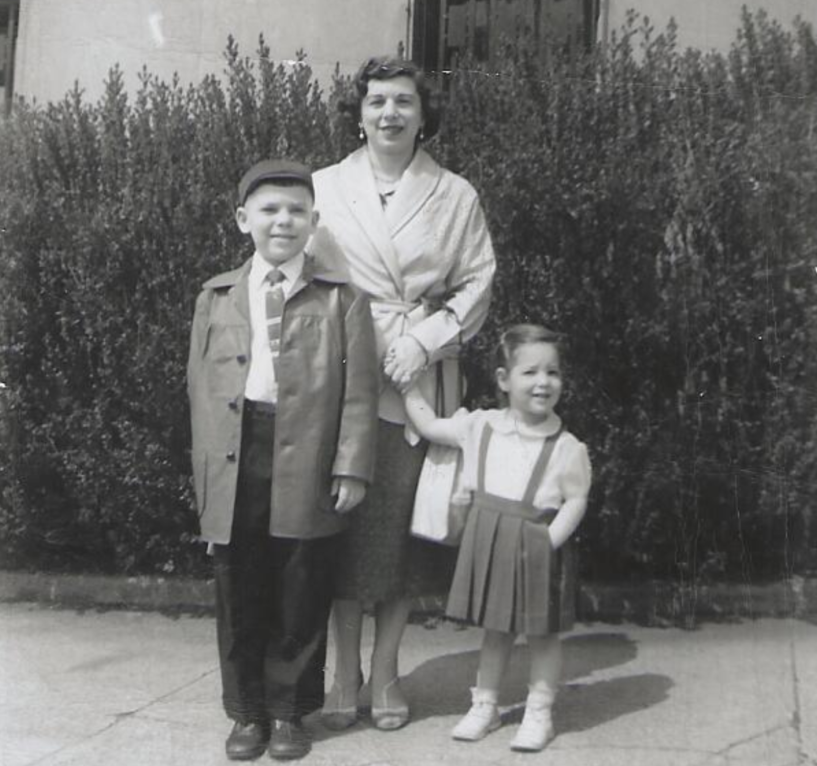
Morris Grysman was born in Kielce, Poland, in 1908. Meyer’s older brother, he was also saddled with the burden of supporting his family after his father’s untimely death. Morris began training in leather work at an early age through a cousin’s business. This skill became invaluable to him when the war began, as he spent the early years of the war illicitly processing leather and trading it on the black market, smuggling in and out of the Kielce ghetto to make ends meet for the family. Morris was known to his family as stable, quiet, and unemotional. He tells the stories of his survival in ways that demonstrate cunning and shrewdness, although he states that he survived purely out of luck. From sabotaging a Nazi bullet factory while interned there, to lying and bribery after being taken captive in the ghetto, Morris’ smarts and skills are known to his whole family, who describe him as someone deeply reliable and upon whom they all depended. Morris was transferred from the Kielce ghetto to the Pionki munitions factory and then to various concentration camps. After being liberated at the end of the war, he smuggled himself, Regina, and Meyer, into the U.S. zone in Berlin, and eventually emigrated to New York City.
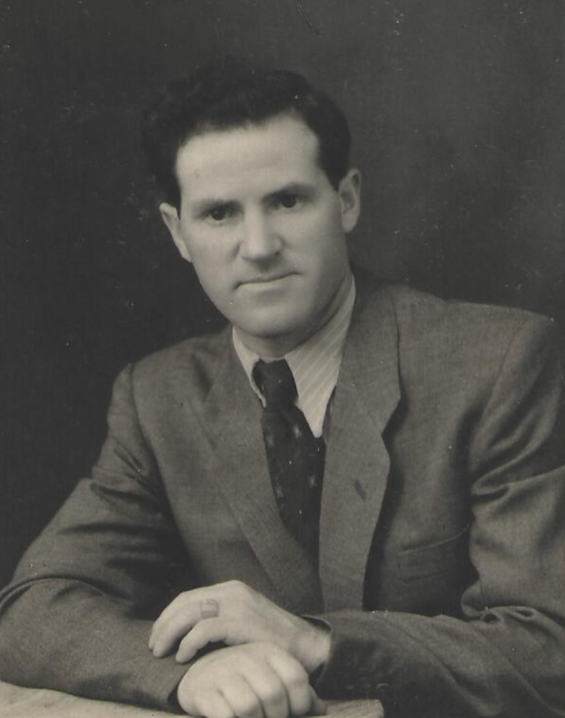
Regina (Finger) Grysman
Born 1922 – Lwów, Poland
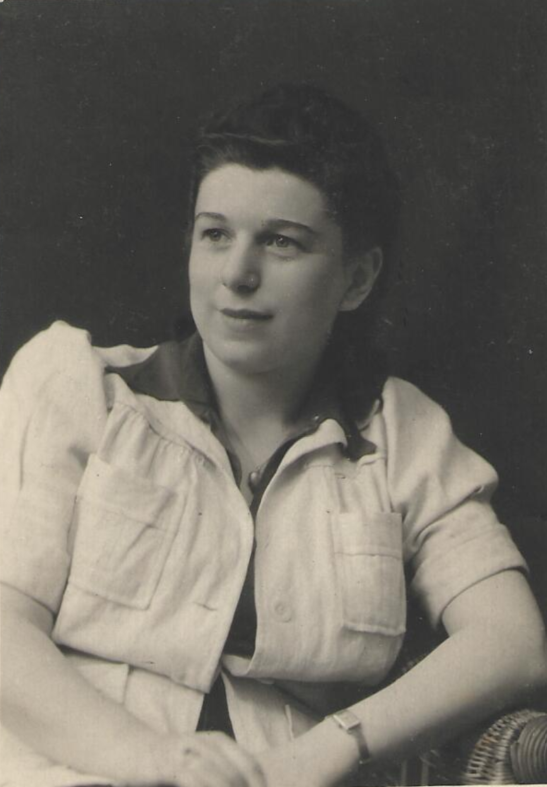
Regina (Finger) Grysman was born in 1922 in Lwów, Poland. Her life before the war was mostly happy, with two older sisters and parents who doted over her. She described harrowing war experiences, from two years of Soviet occupation at the beginning of World War II, to being forced into the ghetto when the Nazis arrived. One night, hearing rumors that the Nazis were taking people away, her mother sent her to hide in a different building than her parents, and she woke up to learn that her mother had been taken away. She eventually escaped the ghetto on false papers and traveled with a group of Jewish escapees to Dnipropetrovsk. Her group was discovered and she was jailed and tortured, but did not admit to being Jewish. She was eventually sent to a concentration camp for Poles, where she met Sabina, another Jew hiding her identity. As the war neared an end, she and Sabina escaped from a forced march and survived in hiding. She met Morris soon after the war, and they traveled together to New York City. Regina described a deep sadness that stuck with her for her whole life. She was the lone survivor of her family, whom she lost at such a young age. She spent her life yearning to share the goodness she experienced in the United States with the people who raised her.
— About the author
Azriel (Azi) Grysman, Ph.D.
Associate Professor of Psychology at Dickinson College with a degree in Cognitive Psychology.
He conducts research on memory, self, and identity. Sometimes this research is called Autobiographical Memory or Narrative Identity, but in general, it is research around the topic of how we remember events from our lives and incorporate them into a sense of who we are.