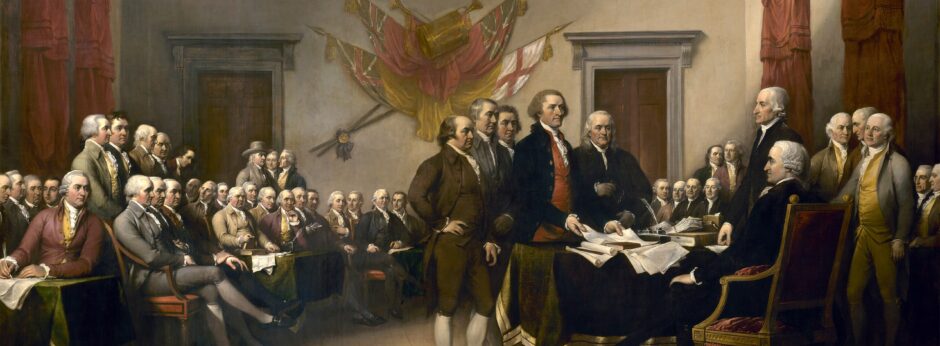
TEXT: Truth, “I Am a Woman’s Rights” (1851)
- Short speech delivered by Truth at a Woman’s Rights Convention in Akron, Ohio and transcribed by Marius Robinson for the abolitionist newspaper, Anti-Slavery Bugle
- A different version of this speech appeared in 1863 with a refrain that now has become famous: “Arn’t [or Ain’t] I A Woman?”
- The woman’s rights convention at Akron built on a tradition launched in 1848 at Seneca Falls, NY, where delegates adopted a Declaration of Sentiments drafted by Elizabeth Cady Stanton
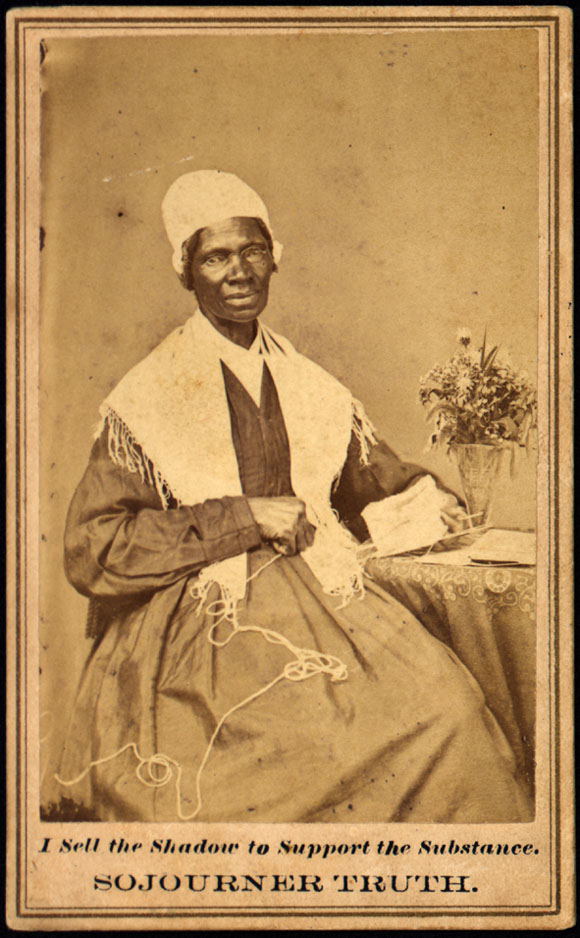
Frederick Douglass, Fifth of July Speech (1852)
INTRODUCTION
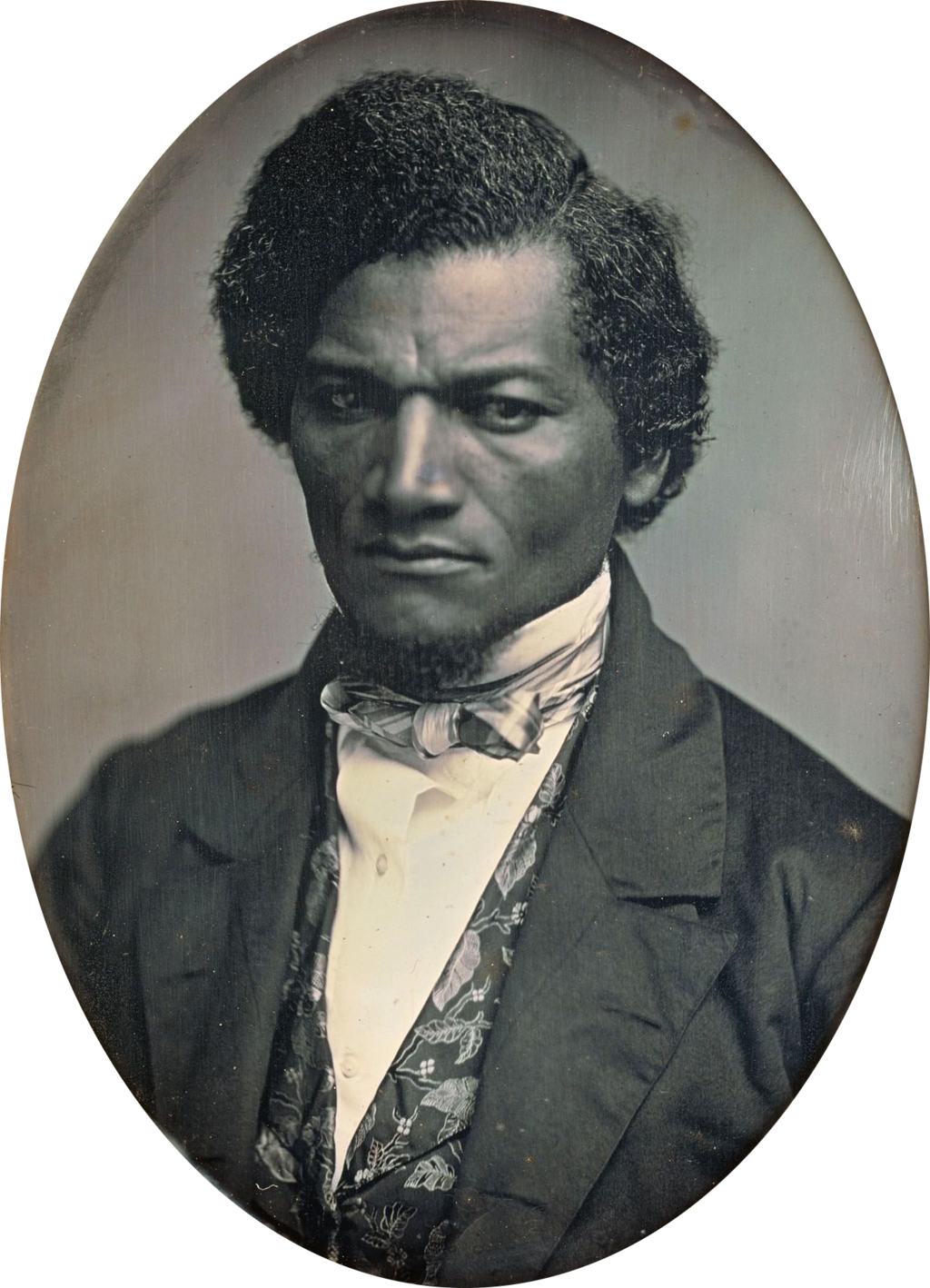

Frederick Douglass, delivered this speech, sometimes called, “What to the Slave is the Fourth of July?” or the Fifth of July speech, on July 5, 1852, in Rochester, New York. The speech, delivered to a local antislavery women’s group, began with a sympathetic account of the American Revolution and its great promise for freedom but then pivoted to a second half (partially excerpted below) which detailed the gross hypocrisy of American enslavement on the legacy of that freedom struggle. Many historians consider this effort to be Douglass’s finest oration, and arguably one of the most powerful American political speeches ever written.
SOURCE FORMAT: Public speech
Fugitive Slave Law (1793 / 1850)
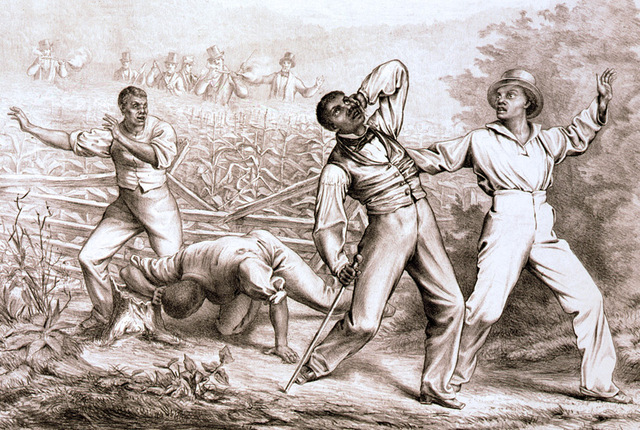
Effects of Fugitive Law (1850)
Three Rs of fugitive code:
- Recaption
- Rendition
- Resistance
UGRR Statistical Gateway
- Enslaved population in 1840: roughly 2 million
- Enslaved population in 1860: roughly 4 million
- Estimated number of antebellum slave sale transactions: 2 million
- Ratio of antebellum slave marriages broken apart by sale: ¼
- Annual temporary escapes from slavery (“laying out”): 100,000
- Annual attempts at permanent escapes from slavery: 1,000
- Documented recaption (kidnapping) efforts across North during 1850s: 150
- Documented individual fugitive rendition cases between 1850-1861: 200
- Total number of formal federal rendition hearings between 1850-1861: 125
- Number of rendition hearings in New England states after 1854: 0
- Percentage of nation’s rendition hearings held in Ohio 1855-1861: 75
- Vigilance committee records for successful escapes during 1850s: 3,000+
- Documented vigilance-led resistance efforts during 1850s: 80
- Total casualties from antebellum resistance efforts: 100s
- Number of UGRR operatives killed in free states: 0
- Number of freedom seekers killed in free states: 1
- Number of slaveholders or slave catchers killed in free states: 3
- Number of UGRR operatives fined or imprisoned in free states: about 10-12
- People imprisoned for slave-stealing in South, 1840s-50s: 200+
- Longest sentence issued for UGRR conviction under federal law: 3 months
- Longest imprisonment for UGRR operative in a slave state: 17 years