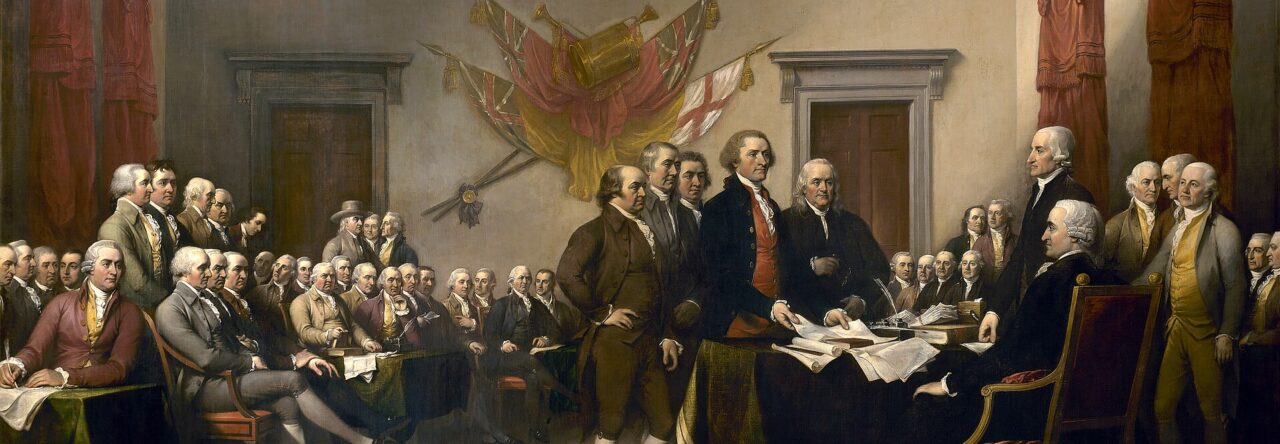
Image Gateway
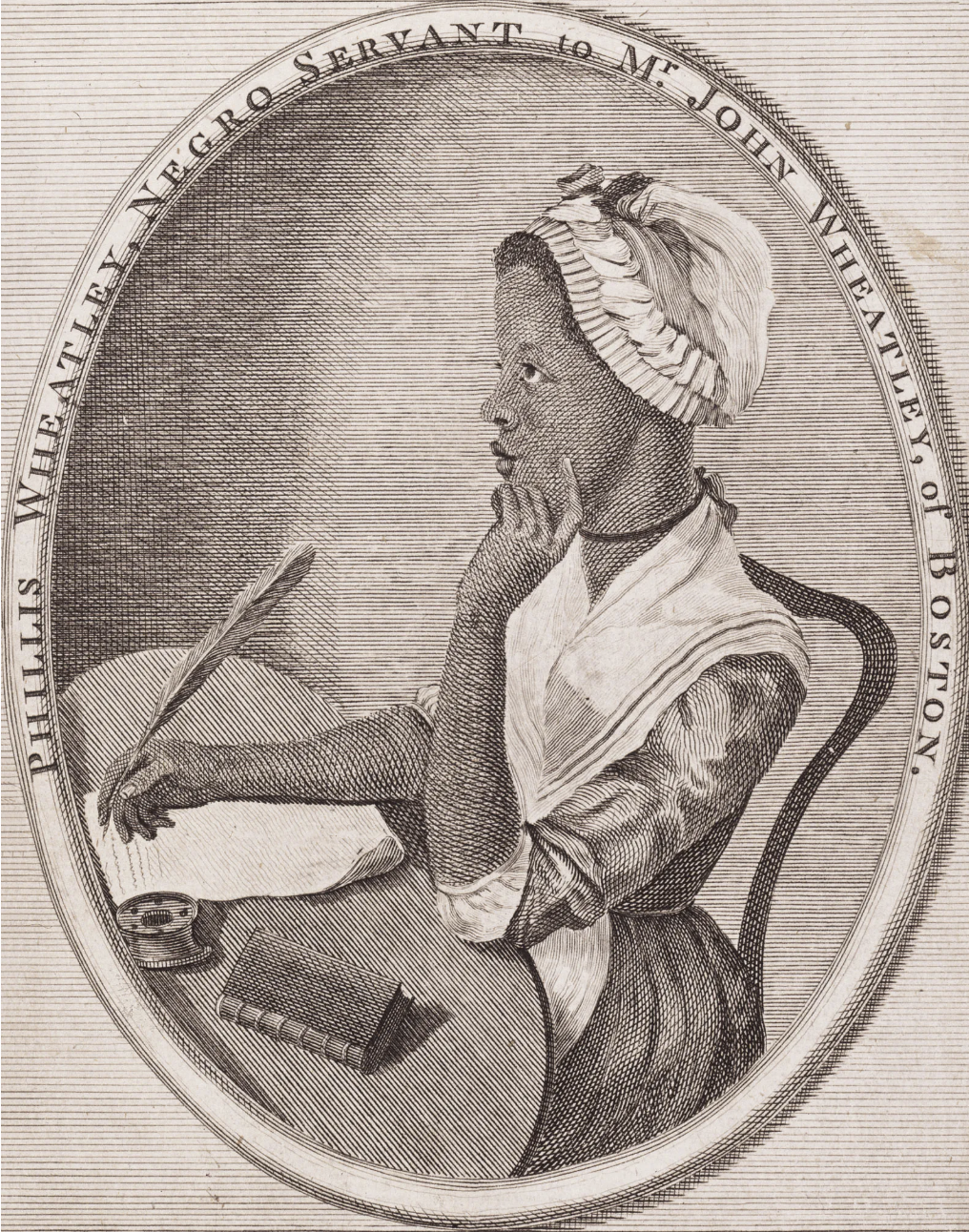
TEXT: Wheatley, “On Being Brought From Africa” (1773)
- Eight line poem in heroic couplets with iambic pentameter
- Published as part of a volume of poetry entitled Poems on Various Subjects –the first by an African American author– in London in 1773.
TEXT: Wheatley, “His Excellency General Washington” (1776)
- 34-line poem in heroic couplets with iambic pentameter
- Wheatley sent the poem to General Washington in October 1775 and he replied acknowledging it in February 1776 while also simultaneously directing a subordinate, Lt. Col. Joseph Reed to secure its publication.
CONTEXT:
- Phillis Wheatley (original name unknown) was kidnapped from her home in West Africa in the early 1760s when she was only seven or eight, and endured the “Middle Passage” across the Atlantic on the slave ship, Phillis. She was purchased by John Wheatley, a successful clothing merchant, to be enslaved as a household servant for his wife Susanna.
- According to Wheatley biography David Waldstreicher, the only memory that Phillis later retained or shared from her life in Africa was that her mother used to perform a libation ritual before sunrise each morning (blessing the earth and ancestors by pouring water on the ground).
- The Wheatleys were Congregationalists active in various Christian philanthropies and missionary activities. This was during a period of Christian revivalism in the American colonies known as the Great Awakening.
- Phillis Wheatley embraced Christian imagery and themes in her poetry and continued to do so as a free black woman after his manumission (freedom) in 1774. She married a free black man named John Peters and lived until 1784 when she died after childbirth.
- Phillis Wheatley also embraced American patriotism. Her letter and poem to General Washington (sent in October 1775) and his seemingly gratified response in February 1776 (see both his reply to Wheatley and his note to Joseph Reed) indicate her importance as a poet of the American Revolution even though Thomas Jefferson dismissed her poetry as “below the dignity of criticism”
SUBTEXT: Wheatley and the Question of Exceptionalism
- Was Wheatley being sincere when she called her forced removal from Africa a form of “mercy”?
- Was Wheatley being intentionally subversive, or even confrontational, when she reminded “Christians” that African Americans might well “join th’ angelic train”?
- Did Wheatley believe that Washington was an agent of providence or guided by divine inspiration? In other words, was Wheatley, as a devout Christian and patriot, a believer in American exceptionalism?
- On the eve of the 250th national anniversary, scholars and partisans have been debating how best to commemorate the American Revolution and the promise (or hypocrisy) of its ideals.
- A main feature of this debate has concerned the term “American exceptionalism.” The longstanding question has been whether or not American national history is unique, either because Americans have been blessed by providence (a “covenant of grace” as it were, or “Manifest Destiny”) or by their own accumulated sacrifices and good decisions. President Ronald Reagan famously invoked these ideas without using the phrase “American exceptionalism” in his Farewell Address (1989) by recalling John Winthrop’s 1630 sermon to the Puritans arriving in Massachusetts:
- Donald Trump in his second inaugural address on January 20, 2025 also alluded to a general concept of American exceptionalism: “America will soon be greater, stronger, and far more exceptional than ever before.” And now many of the cultural battles erupting in Trump’s second term and concerning the presentation of American history in classrooms and museums derive from the longstanding debate over the meaning of American exceptionalism and how to present stories like Phillis Wheatley’s on the eve of the nation’s 250 anniversary and especially in museums like the Smithsonian National Museum of African American History and Culture.