CHAPTER 17: Nixon, Kissinger, and the End of the Postwar Era, 1969-1974
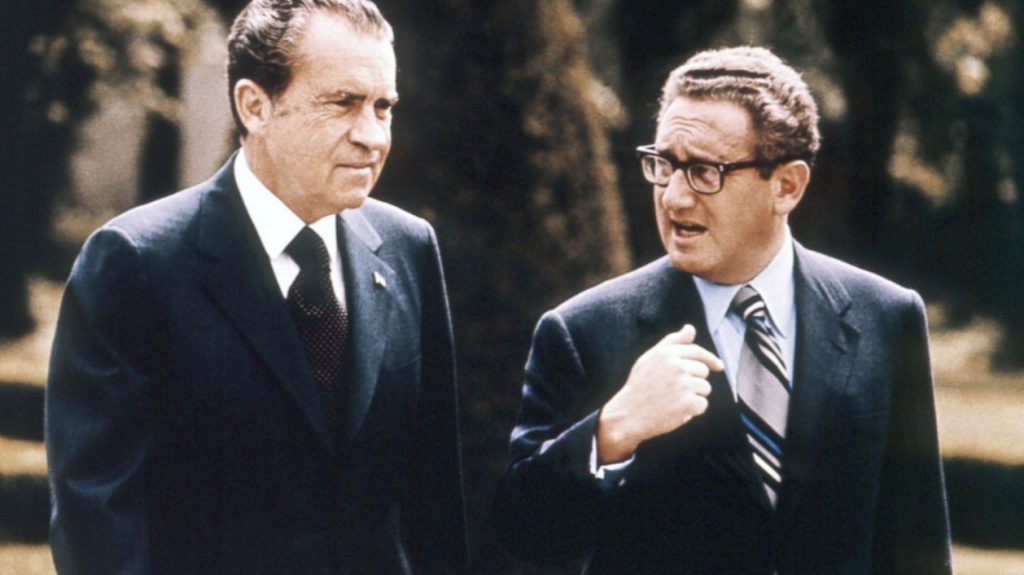
“It was an act without precedence in the annals of twentieth-century U.S. diplomacy: the odd couple of President Richard M. Nixon and National Security Advisor Henry A. Kissinger devising and implementing a foreign policy imaginative in concept and radical in some of its essential elements. The two men perceived the dramatic changes that had occurred since the end of World War II and set out to craft what Nixon called a ‘new approach to foreign policy to match a new era of international relations’… Within less than two years, their Grand Design was in tatters, a disgraced Nixon forced to resign the office he had fought so doggedly to obtain. Brilliant in many respects, the Nixon-Kissinger scheme was fatally flawed in others.” (Herring, 760)
Discussion Questions
Describe the nature of Nixon’s and Kissinger’s relationship during their time together running American foreign policy, 1969-1974.
How would you assess Nixonian Diplomacy? What were the greatest achievements? What were the worst setbacks or mistakes?
1972 // China opening, Easter offensive, Detente (SALT / ABM)
1973 // Paris peace accords (Vietnam agreement)
1975 // Fall of Saigon
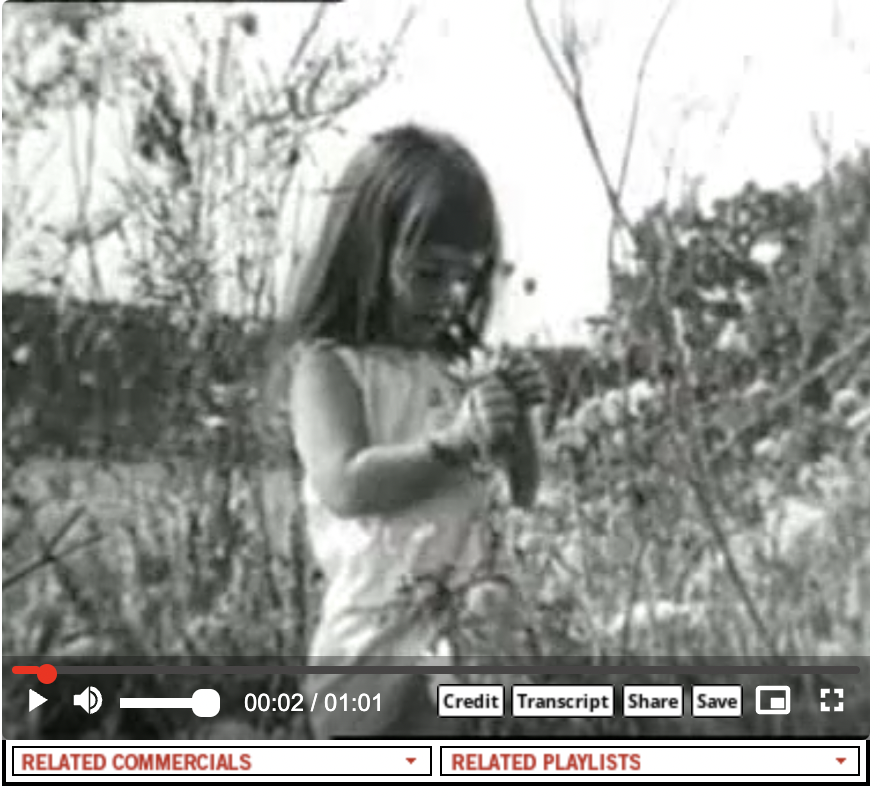
Perhaps the most famous (or infamous) ad in the history of modern presidential campaigns appeared as a paid advertisement on TV only once –the so-called “Daisy ad” from 1964. Students should be able to explain what this ad was about, and why it was so powerful and controversial.
Here are video clips of Walter Cronkite’s original February 27, 1968 CBS Evening News Broadcast on the Tet Offensive, illustrating a turning point in the “living room war.”
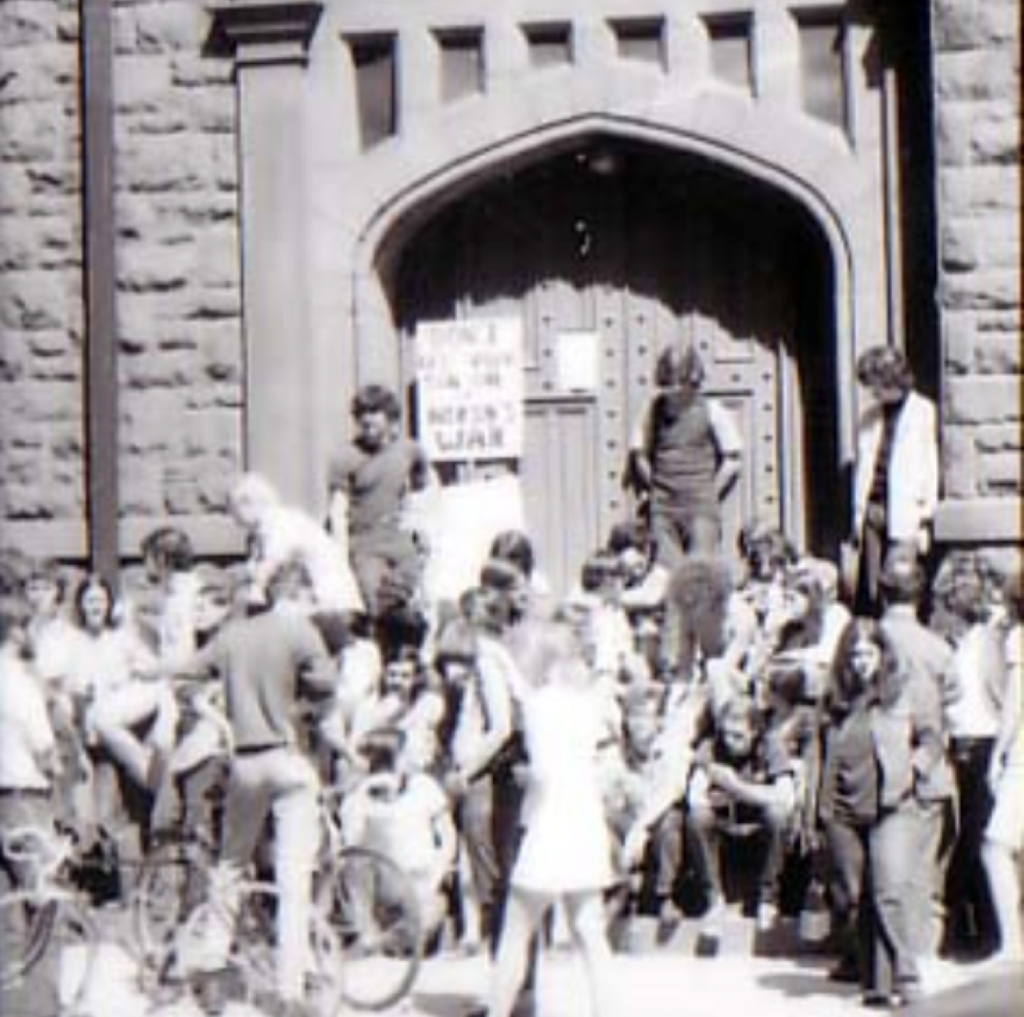
When All Hell Broke Loose: May 1970
Why were Dickinson students protesting US foreign policy outside of Denny Hall in May 1970?
KEY TERMS: Detente (1972) // China Opening (1972)
Detente (1972)
“Nixon moved detente to the top of his foreign policy agenda. By the time he took office [in 1969], the one-time ardent Cold Warrior viewed the Soviet Union as a ‘normal’ world power more intent on maintaining its position than upsetting the international status quo and therefore a nation that could be negotiated with. He recognized that the relative decline in U.S. power required major adjustments in its relations with other nations and that Soviet needs and especially the Sino-Soviet conflict provided openings a skillful diplomatist might exploit. He perceived that his reputation as a hard-liner enabled him to do things other U.S. politicians could not –indeed, by making him appear statesmanlike they might even win him points at home. In pursuing detente, Nixon and Kissinger did not abandon containment. Rather, they hoped through negotiations on key issues to create linkages that would enable them to influence Soviet behavior in other areas. Through what Kissinger called the ‘subtle triangle of relations between Washington, Beijing, and Moscow,’ they sought to ‘improve the possibilities of accommodations with each as increase our options with both.’ They viewed detente not as an end in itself but rather, in Nixon’s words, a means to ‘minimize confrontation in marginal areas and provide, at least, alternative possibilities in the major ones.’ They hoped it would enable them to manage Soviet power and thus get the USSR to accept the emerging world order.” –George Herring, From Colony to Superpower, p. 771
Discussion Questions
Explain how detente affected US policy in Asia, in regard to attempts to negotiate an end to the war in Vietnam or to explore an opening in relations with Communist China.
How did the Nixon-Kissinger approach to detente compare to their policies in other areas of the world, like Latin America, the Middle East, or Africa?
China Opening (1972)
“Meanwhile, Nixon and Kissinger inched cautiously toward normalizing relations with the People’s Republic of China. United States elites, including much of the foreign policy establishment, had long argued that the policy of isolation and containment were outdated. Liberal Democrats such as Senator Edward Kennedy of Massachusetts had taken up the cause. A slowing economy revived century-old dreams of a potentially limitless Chinese mark as a solution. Nixon and Kissinger saw geopolitical gains in the form of leverage with the Soviet Union and with North Vietnam in ending the war. Ever the political animal, Nixon relished the prospect of being the first American president to visit China, in part because of the exquisite irony given his reputation as a hard-core anti-Communist, also for the likely political advantage.” –George Herring, From Colony to Superpower, p. 775
Discussion Questions
How did secrecy and deception contribute to the move toward opening of US-Chinese relations in 1971 and 1972?
Explain the mindset of the various forces –both inside and outside the US– who opposed the normalization of relations between the US and Communist China.