1863 The Prize Cases (5-4)
“The President was bound to meet [the rebellion] in the shape it presented itself, without waiting for Congress to baptize it with a name.” (Justice Robert Cooper Grier, Class of 1812)
- March 1861: Inauguration: Abraham Lincoln
- April 1861: Blockade proclamation
- May -July 1861: Captures of Amy Warwick, Crenshaw, Hiawatha, and Brilliante
- July -August 1861: Special Session: 37th Congress
“In summary, by proclaiming the blockade in April 1861, Lincoln had committed a belligerent act that was unauthorized by the explicit words of the Constitution and unauthorized by congressional statutes. Nor could the act be grounded in some defensive gloss on his power as Commander in Chief, in light of the patently offensive use of armed force on the private citizens of neutral foreign countries that had neither invaded the United States nor actively aided insurrection. The proclamation carried with it not only the cost of offending those powerful neutral nations, but also the risk that they would characterize the invocation of the laws of war by the Union against the Confederacy as evidence in support of recognition of the Confederacy as a new independent member of the community of nations.” –Thomas H. Lee
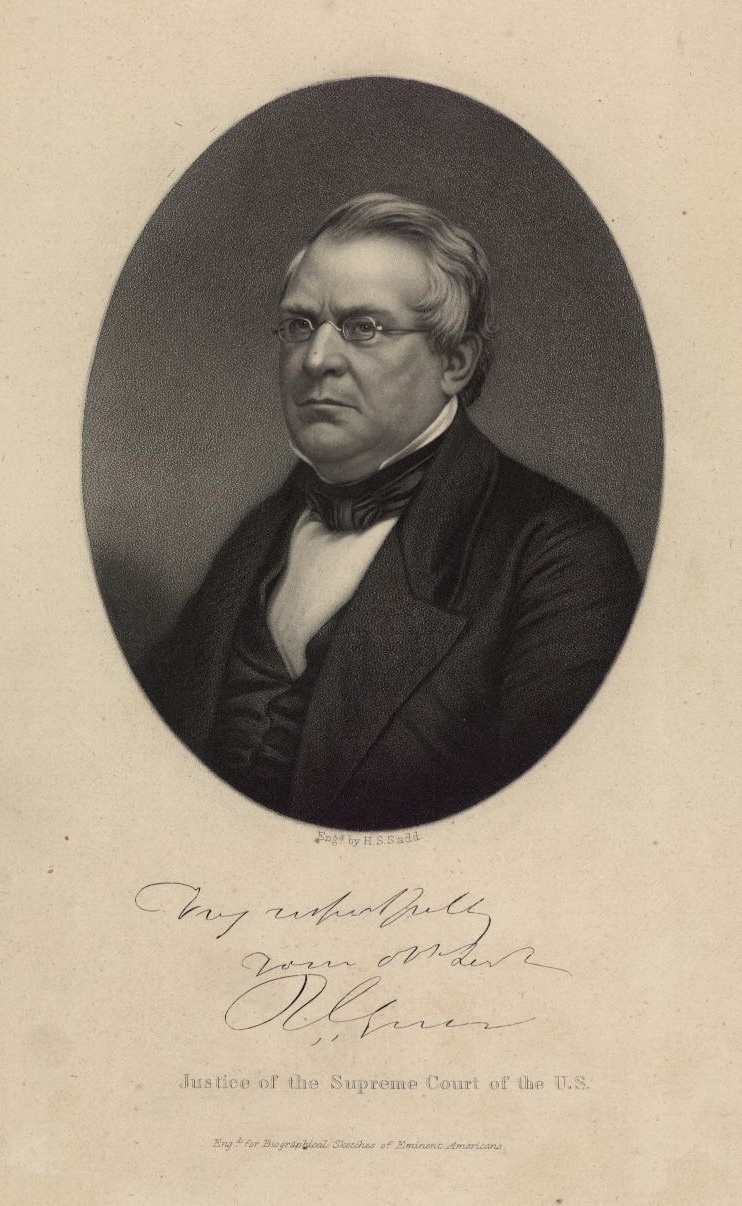
Robert Grier (Dickinson Archives)
1863 Emancipation Proclamation
“And upon this act, sincerely believed to be an act of justice, warranted by the Constitution, upon military necessity, I invoke the considerate judgment of mankind, and the gracious favor of Almighty God.”
–Abraham Lincoln, January 1, 1863
- May 1861: Contrabands at Fort Monroe
- August 1861: First Confiscation Act
- July 1862: Second Confiscation Act
- September 1862: Preliminary Emancipation
- January 1863: Emancipation Proclamation
“I think the constitution invests its commander-in-chief, with the law of war, in time of war.”
—Abraham Lincoln, August 26, 1863
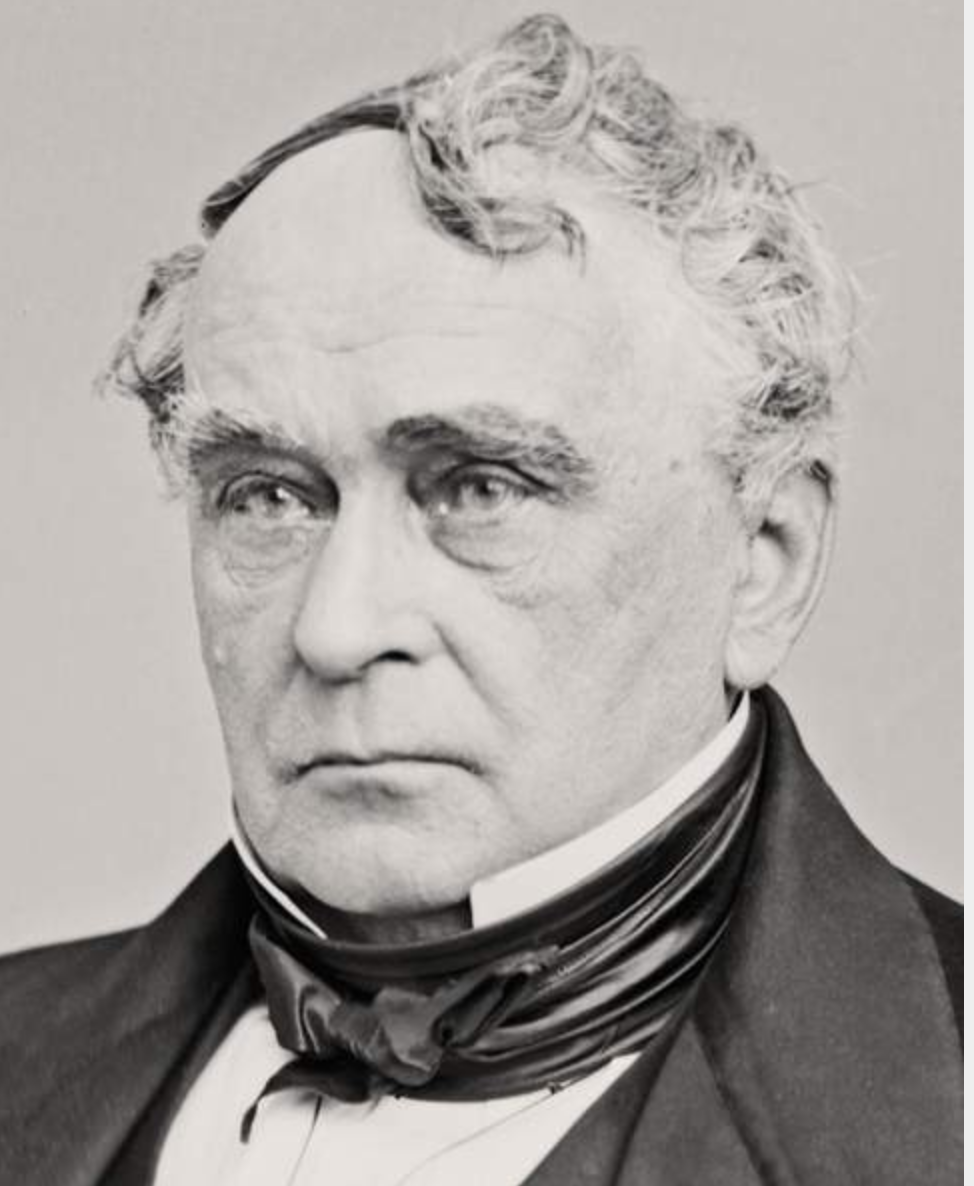
Francis Lieber (Library of Congress)
- There was relatively little debate over war powers issues at the 1787 convention.
- August 17: Delegates discuss war powers. Highlights include:
- Oliver Ellsworth (CT) stating, “It should be more easy to get out of war than into it.”
- George Mason (VA) claiming he “was against giving the power of war to the Executive, because not safely to be trusted with it.”
- August 17: Delegates discuss war powers. Highlights include:
- The Constitution addresses the concept of war powers mainly in three brief clauses.
- Article 1, Section 8, Clause 11 (“The Congress shall have Power … To declare War”)
- Article 1, Section 10, Clause 3 (“No State shall … engage in war, unless…”)
- Article II, Section 2, Clause 1 (“The President shall be Commander in Chief…”)
- Presidents act
- Congress reacts
- Courts review
- People decide
THE FOREIGN POLICY CONSTITUTION
(Remixed from the 1787 Original)
- The President shall be Commander in Chief of the Army and Navy of the United States, and of the Militia of the several States, when called into the actual Service of the United States … He shall have Power, by and with the Advice and Consent of the Senate, to make Treaties, provided two thirds of the Senators present concur; and he shall nominate, and by and with the Advice and Consent of the Senate, shall appoint Ambassadors, other public Ministers and Consuls, Judges of the supreme Court, and all other Officers of the United States, whose Appointments are not herein otherwise provided for, and which shall be established by Law (Article 2, Section 2, Clauses 1 and 2-3)
- The Congress shall have the power … To regulate Commerce with foreign Nations, and among the several States, and with the Indian Tribes …To establish an uniform Rule of Naturalization, and uniform Laws on the subject of Bankruptcies throughout the United States …To define and punish Piracies and Felonies committed on the high Seas, and Offenses against the Law of Nations …To declare War, grant Letters of Marque and Reprisal, and make Rules concerning Captures on Land and Water …To raise and support Armies, but no Appropriation of Money to that Use shall be for a longer Term than two Years … To provide and maintain a Navy; To make Rules for the Government and Regulation of the land and naval Forces (Article 1, Section 8, Clause 3, Clause 4, Clause 10, Clause 11, Clause 12, Clause 13, and Clause 14)
- The Privilege of the Writ of Habeas Corpus shall not be suspended, unless when in Cases of Rebellion or Invasion the public Safety may require it. (Article 1, Section 9)
- This Constitution, and the Laws of the United States which shall be made in Pursuance thereof; and all Treaties made, or which shall be made, under the Authority of the United States, shall be the supreme Law of the Land; and the Judges in every State shall be bound thereby, any Thing in the Constitution or Laws of any State to the Contrary notwithstanding. (Article 6)
- No State shall enter into any Treaty, Alliance, or Confederation; grant Letters of Marque and Reprisal; coin Money; emit Bills of Credit; make any Thing but gold and silver Coin a Tender in Payment of Debts; pass any Bill of Attainder, ex post facto Law, or Law impairing the Obligation of Contracts, or grant any Title of Nobility. (Article 1, Section 10)
- No Person except a natural born Citizen, or a Citizen of the United States, at the time of the Adoption of this Constitution, shall be eligible to the Office of President; neither shall any person be eligible to that Office who shall not have attained to the Age of thirty five Years, and been fourteen Years a Resident within the United States. (Article 2, Section 1)
- No title of nobility shall be granted by the United States: and no person holding any office of profit or trust under them, shall, without the consent of the Congress, accept of any present, emolument, office, or title, of any kind whatever, from any king, prince, or foreign state. (Article 1, Section 9)