Food Studies student scholars share their perspectives on the complex ways that food intersects with our lives, communities, political and social narratives, the historical evolution of food systems and more. Learn more about what’s on our minds, as well as innovative solutions through student editorials.
-
Alumni Spotlight: Cecilie Macpherson ’20
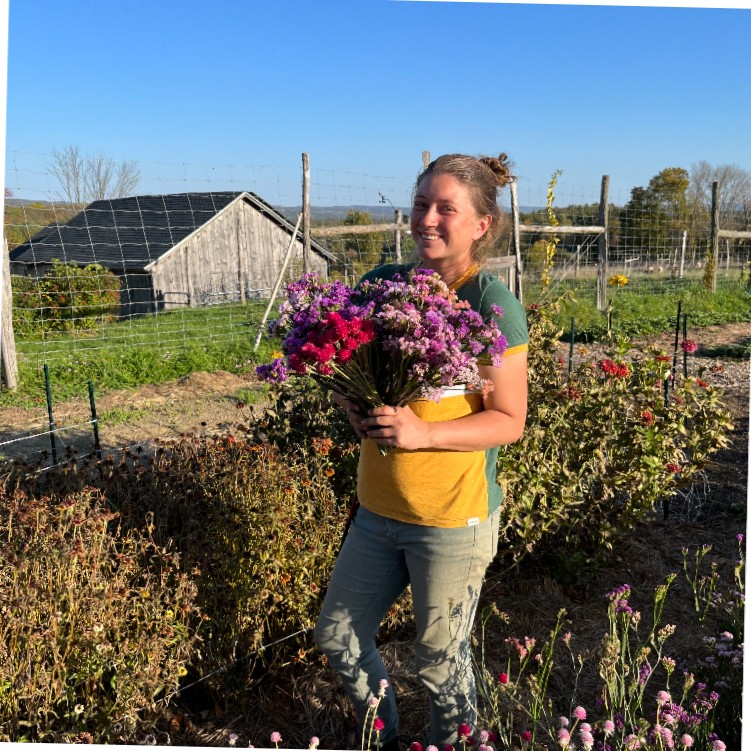
Cecilie Macpherson graduated from Dickinson College in 2020 with a degree in Environmental Science and the Food Studies Certificate. When looking at Dickinson as a potential college, the main draw for choosing was the college farm. Based on what she learned during her pre-orientation, she knew she wanted to grow food in her future career.…
-
Organic Viticulture Fungicide Bans Threaten Winemakers
The 2026 growing season marks the final season for French viticulturalists using the remaining copper based fungicide stocks. Copper based fungicides have been used since 1885 to fight off downy mildew, an invasive and crippling fungus to France (Donner, 2026). Viticulturalists worldwide use copper as the main fungicide in organic cultivation. Organic viticulture seeks to…
-
The Devil’s Den: Grocery or Convenience? – A Student Opinion
The Devil’s Den is Dickinson’s on-campus storefront for packaged and unprepared foods. Students have the option to use their meal plan at this location – with the exception of swipes. “The Den”, as students affectionately refer to it, offers a niche selection of items not found at other dining locations, including packaged snacks, frozen foods,…
-
Food Deserts and Processed Foods
Processed and Ultra-Processed Foods (UPFs) have, in recent years, become a highly contested issue among Americans. The reliance on processed foods in the American diet, specifically the forced reliance of people living in ‘food deserts,’ has called into question many elements of processed foods, including nutritional content. Processed foods cover more than the average American…
-
Debates on GMOs: Health and the Environment
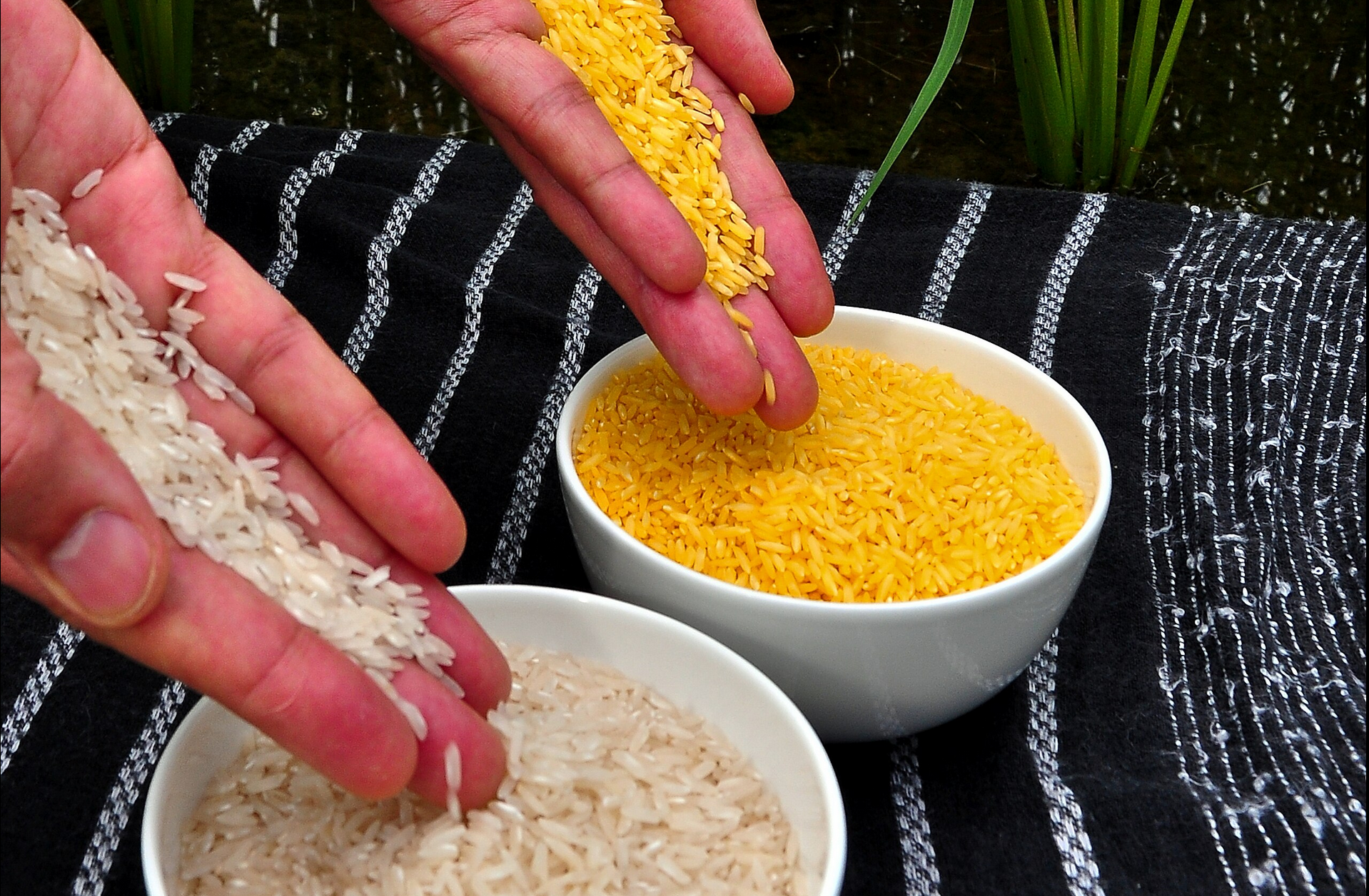
GMOs and the Public Genetically modified organisms (GMOs) are organisms whose genomes have been bioengineered for specific desirable traits. In agriculture, genetically modified crops have been used in the past few decades to increase yields, create resistance to pesticides, alter nutritional profiles, and more. GM foods were first approved for human consumption in the US…
-
Summary of the Global Report on Food Crisis 2025
The global food crisis stems from food insecurity. The Office of the Assistant Secretary for Health (OSAH) defines food insecurity as “a household-level economic and social condition of limited or uncertain access to adequate food.” Some of the factors that lead to this insecurity on a global scale are: climate change, conflict, economic stress, and…


