
Anna Dickinson (1842-1932)
“Unsurprisingly, abolitionist women also became orators for emancipation. The Quaker Anna Dickinson did much to push northern public opinion toward black rights. The ‘young lady has statesmanship much beyond our twaddling politicians,’ reported one admirer. Dickinson was the first woman to address Congress, invited by Republicans for her contribution to their success in the 1864 elections. After the war, she became a suffragist.” –Sinha, Rise and Fall, p. 209
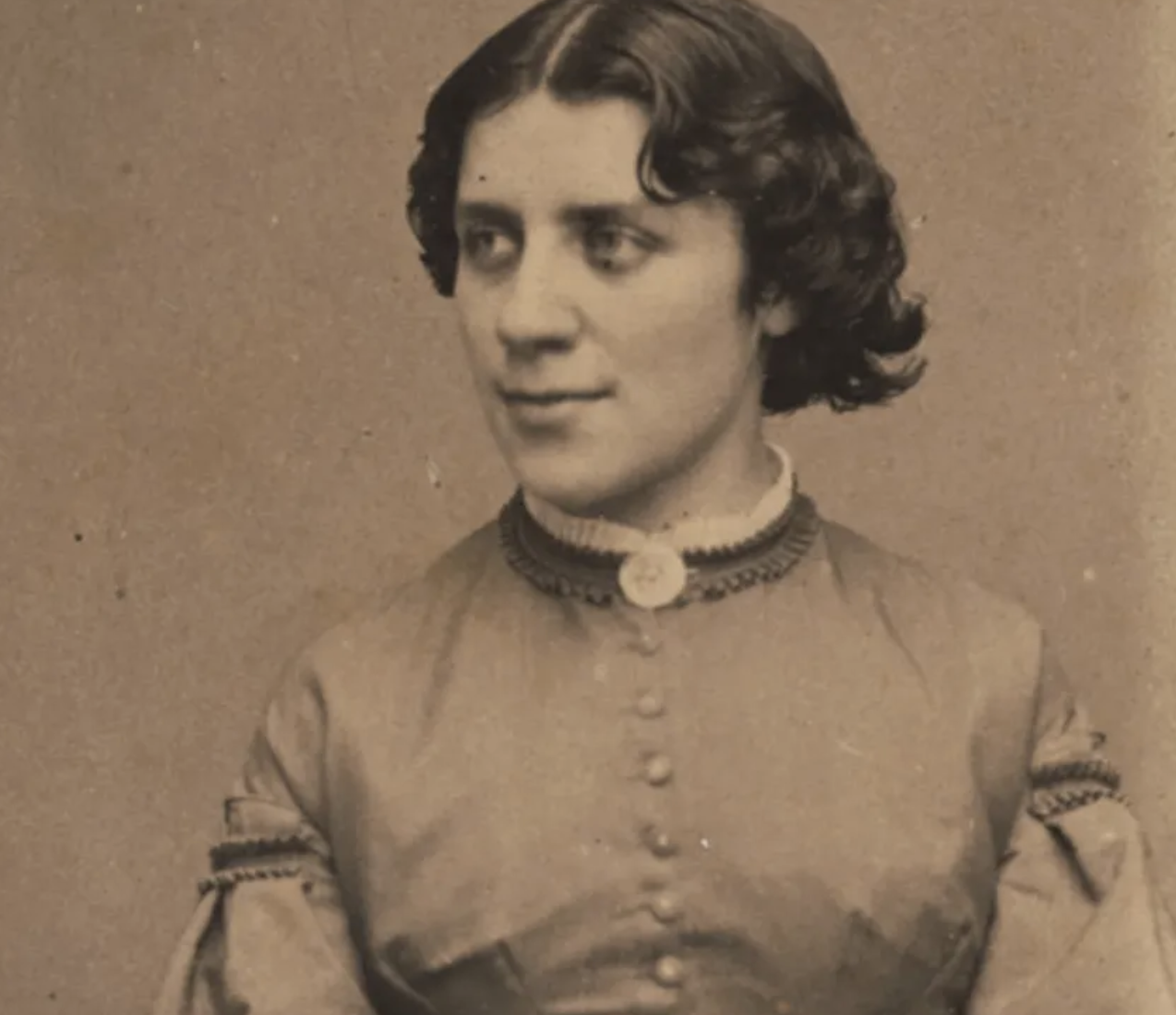
To find out more about how a 21-year-old Anna Dickinson influenced the 1864 presidential election, see Matthew Pinsker, “Why did Lincoln seek this woman’s endorsement?” What Would Lincoln Do? (2026)
“Long” Suffrage Timeline (Reconsidered)
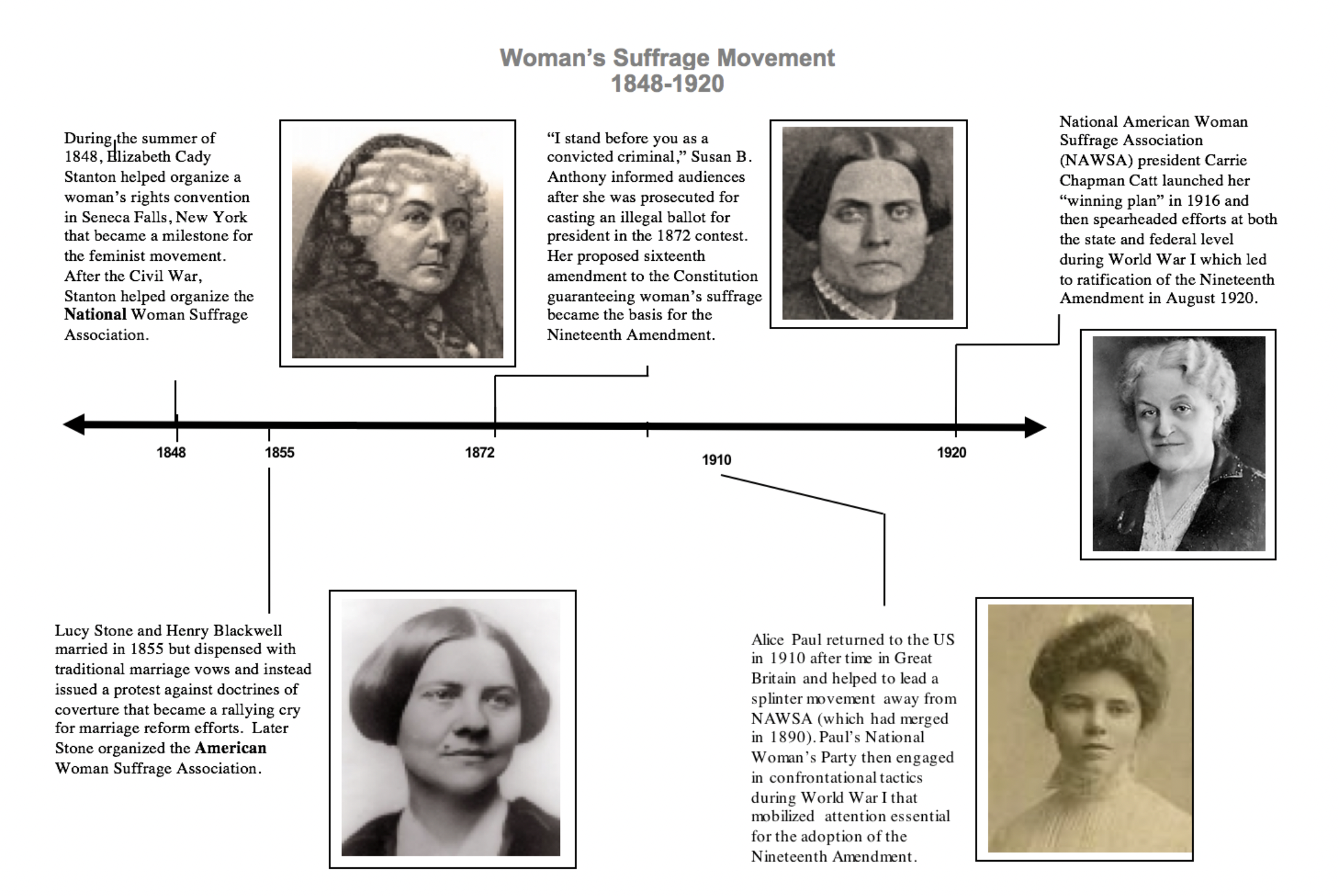
American Equal Rights Association (1866-1869)
- 1863 –Women’s Loyal National League (WLNL) founded (also abbreviated as WNLL)
- 1864 –WLNL presents abolition amendment petitions to Congress
- 1865 –American Anti-Slavery Society (AASS) reorganizes with Wendell Phillips as leader
- 1866 –Merger of WLNL and AASA as American Equal Rights Association (AERA)
- 1869 –AERA dissolves amid acrimony over Fifteenth Amendment
“Slavery is not abolished until the black man has the ballot, or [while] any discrimination exists between white and black at the South.” —Frederick Douglass, 1865
“We are all bound up together in one great bundle of humanity, and society cannot trample on the weakest and feeblest of its members without receiving the curse in its own soul.” —Frances Ellen Watkins Harper, 1866
“The difference between AWSA [Stone’s and Harper’s suffrage group, “The American”] and NWSA [Stanton’s and Anthony’s suffrage group, “The National”] was not one of strategy –state action versus a constitutional amendment– or even of radicalism in a sense. It was, rather, the old ideological division between intersectional abolitionist feminism and feminism ‘pure and simple.'” –Manisha Sinha, RISE AND FALL, p. 225
Frances Ellen Watkins Harper (1825-1911)
- For more on Frances Harper, see STANZAS AND SPEECHES (student project by Forbes, ’25)