Image Gateway
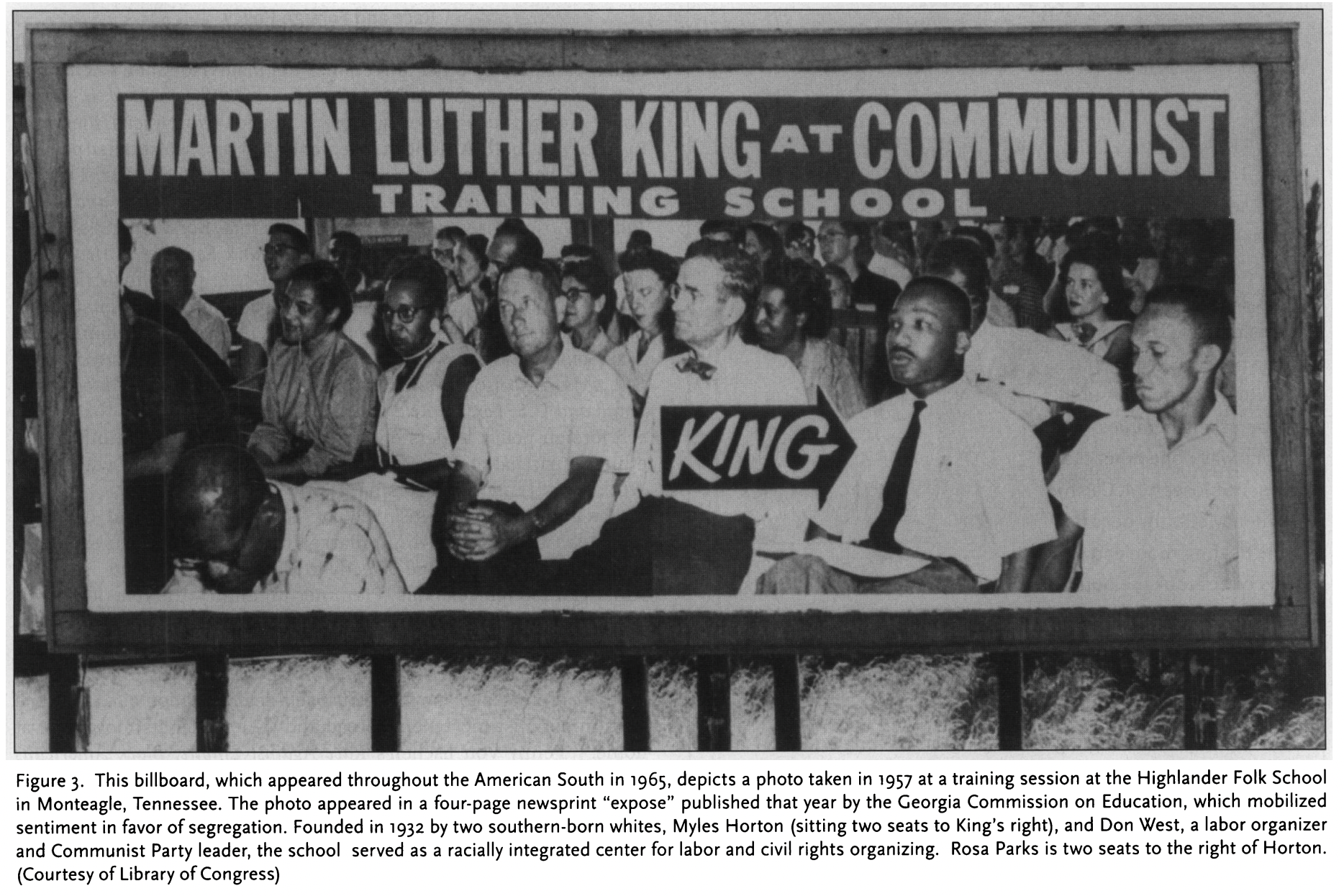
Contextualizing and internationalizing Brown does not simply provide new details to a preexisting narrative. Viewing Brown as a Cold War case helps us rethink the story itself. —Mary Dudziak, “Brown as a Cold War Case,” p. 35
Vocabulary
- Amicus briefs (friend of the court)
- NAACP (From WEB DuBois to Thurgood Marshall and Legal Fund)
- Shepardize (“good law”)
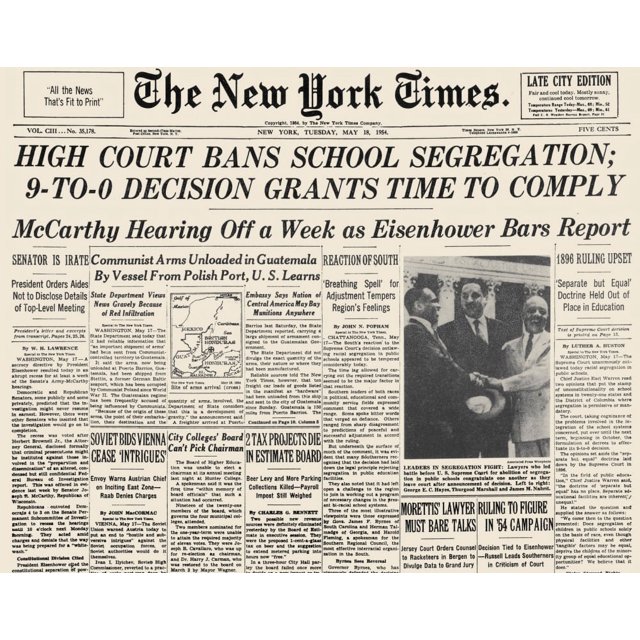
Brown v. Board of Education (1954)
Showing that an NAACP case aided American international prestige served two important interests. First, it gave civil rights activists important leverage. The argument that social change aided U.S. foreign relations could be used to further the NAACP’s social change agenda. Second, showing that NAACP efforts enhanced American international prestige helped the NAACP argue that its work promoted, rather than undermined, the nation’s Cold War interests. During the Cold War, when civil rights activists were red-baited as subversives, that could help the organization weather criticism. –Dudziak, 36
What types of primary sources does Dudziak use to complicate the Brown narrative? And then how does she examine secondary sources?
Little Rock Nine (1957)
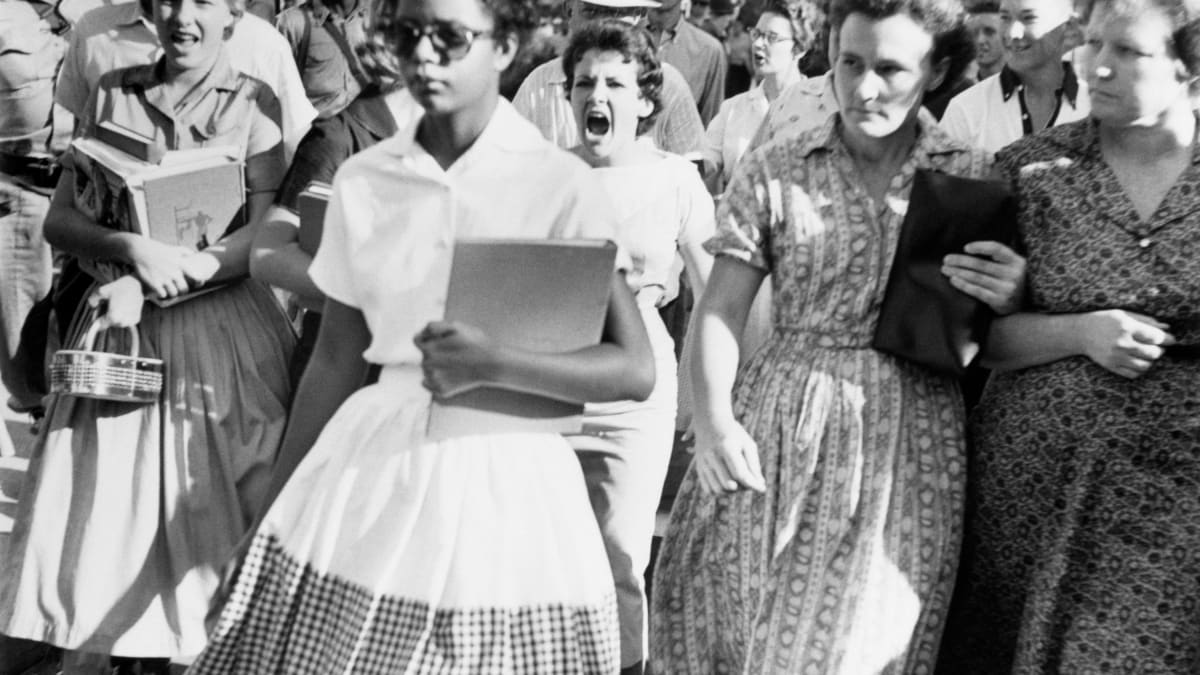
First Day of School, Little Rock Central HS, September 4, 1957
Elizabeth Eckford (pictured above) recalls her experiences as part of the Little Rock Nine
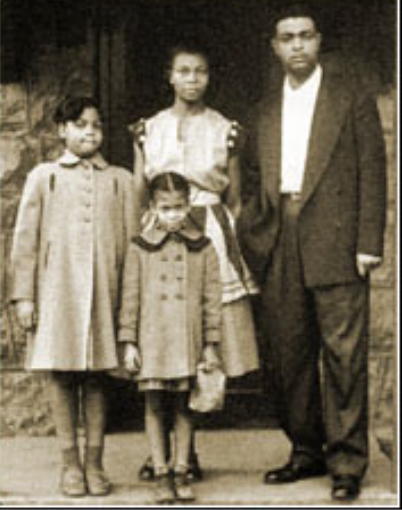
Brown family (Linda Brown, left; litigant Oliver Brown, right)
Students should be able to explain the constitutional significance of the famous Supreme Court decision in Brown v. Board of Education (1954). Who were the Browns (depicted in photo) and why were they part of an NAACP lawsuit? Which approach did NAACP lawyer Thurgood Marshall take in attempting to convince the court to overturn the “separate but equal” tradition of the Jim Crow era in the South? What reaction did Brown and Brown II face across the nation and especially throughout the South?
Original Intent and Fourteenth Amendment
How did historians such as John Hope Franklin contribute to the Brown decision?
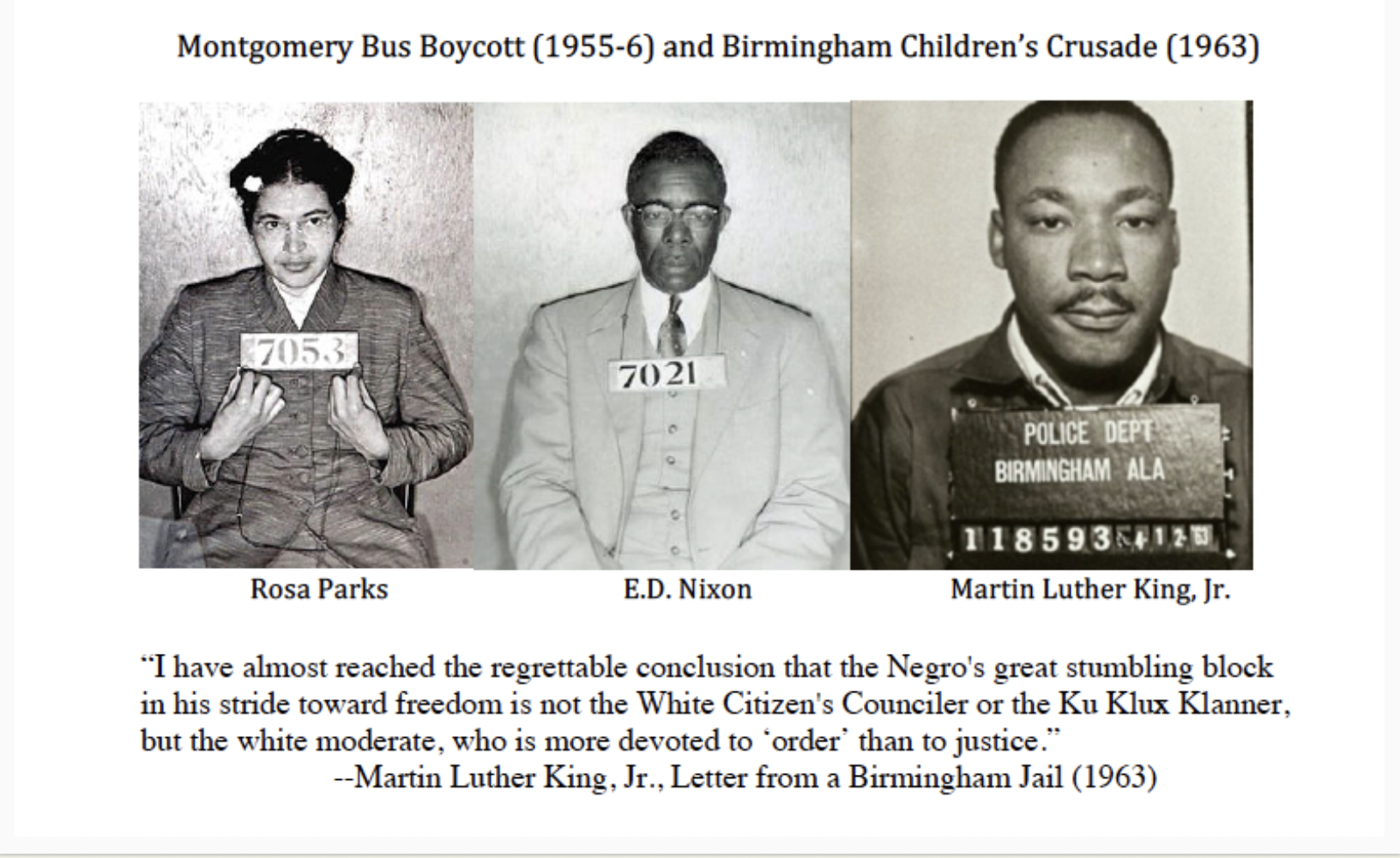
Civil Rights vs. “Law and Order”
W.E.B. DuBois (1868-1963)
On Stalin (1953) by DuBois
W.E.B. DuBois
“Joseph Stalin was a great man; few other men of the 20th century approach his stature. He was simple, calm and courageous. He seldom lost his poise; pondered his problems slowly, made his decisions clearly and firmly; never yielded to ostentation nor coyly refrained from holding his rightful place with dignity. He was the son of a serf but stood calmly before the great without hesitation or nerves. But also—and this was the highest proof of his greatness—he knew the common man, felt his problems, followed his fate…. [During WWII] Stalin showed his real greatness. He neither cringed nor strutted. He never presumed, he never surrendered. He gained the friendship of Roosevelt and the respect of Churchill. He asked neither adulation nor vengeance. He was reasonable and conciliatory. But on what he deemed essential, he was inflexible. He was willing to resurrect the League of Nations, which had insulted the Soviets. He was willing to fight Japan, even though Japan was then no menace to the Soviet Union, and might be death to the British Empire and to American trade. But on two points Stalin was adamant: Clemenceau’s “Cordon Sanitaire” must be returned to the Soviets, whence it had been stolen as a threat. The Balkans were not to be left helpless before Western exploitation for the benefit of land monopoly. The workers and peasants there must have their say. Such was the man who lies dead, still the butt of noisy jackals and of the ill-bred men of some parts of the distempered West. In life he suffered under continuous and studied insult; he was forced to make bitter decisions on his own lone responsibility. His reward comes as the common man stands in solemn acclaim.” —National Guardian, March 16, 1953