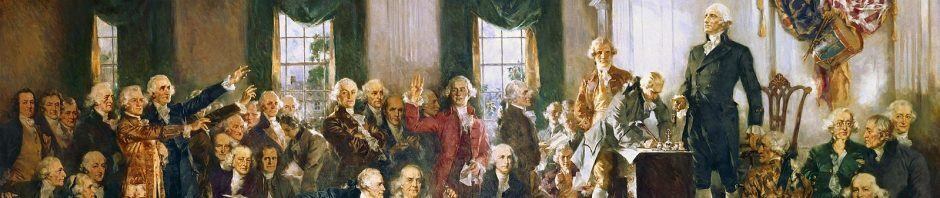
The said states hereby severally enter into a firm league of friendship with each other, for their common defence, the security of their Liberties, and their mutual and general welfare, binding themselves to assist each other, against all force offered to, or attacks made upon them, or any of them, on account of religion, sovereignty, trade, or any other pretence whatever. —Articles of Confederation, November 15, 1777
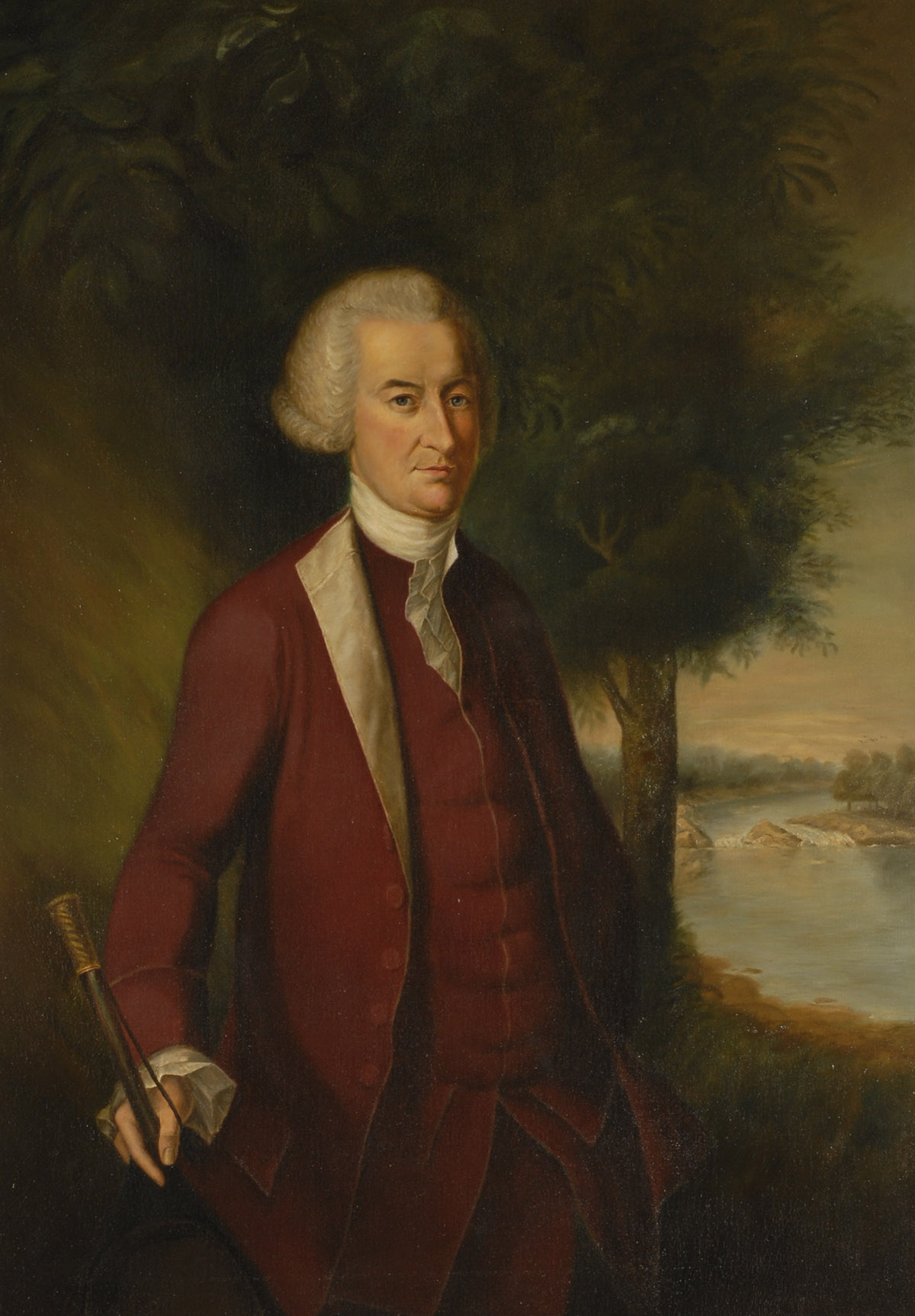
John Dickinson (College Archives)
Background
- First draft of this national frame of government came from John Dickinson’s committee at the Second Continental Congress in June 1776
- Debated and revised into 13 articles by November 1777 but not ratified by all thirteen states and fully brought into force until March 1781 (just several months before the end of the Revolutionary War).
- Remained in force from 1781 to 1789 until the ratified US constitution (drafted in Philadelphia in summer of 1787) took effect with the organization of the First Congress and the inauguration of the first president (George Washington).
- The most important accomplishment of the Confederation Congress was arguably passage of the Northwest Ordinance in July 1787
Articles
- Preamble: Lists the states that agree to a perpetual union
- Article I: The name of the new confederation is United States of America
- Article II: The states retain sovereignty
- Article III: The confederation represents a firm league of friendship for mutual defense, liberty and welfare
- Article IV: Privileges and immunities extended for citizens in various states, rendition for fugitives from justice across state lines, and full faith and credit for state laws
- Article V: Annual meeting of Congress; states may have multiple delegates but only one vote; and freedom of speech and debate for delegates
- Article VI: No state shall engage in foreign diplomacy or war without consent from Congress; also banned foreign gifts or emoluments to government officials
- Article VII: States determine all officers at the rank of colonel or below (from company to regimental level) sent for the common defense
- Article VIII: States are responsible for providing taxes assessed by Congress for the common defense
- Article IX: Outlines various judicial and dispute proceedings involving international law, diplomacy, armed conflict, or disputes among states; includes further details about the powers of Congress as well as provisions for establishing a Committee of the States to act on behalf of Congress during times of recess and to appoint within their own ranks of this committee a president who could help manage affairs
- Article X: Authorizes Committee of States (composed of at least nine members) to act on behalf of Congress but not to exceed congressional authority
- Article XI: Canada will be admitted to Confederation upon request but other colonies require approval of at least nine states to be admitted
- Article XII: Previous debts undertaken by the continental congress will be honored
- Article XIII: This confederation or union shall be perpetual and its articles can only be revised with the consent of all thirteen states
- Resolution: Invokes “Great Governor of the World” and submits for state ratification