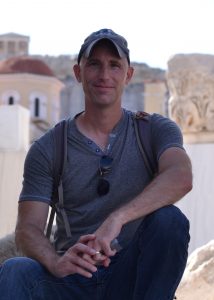
 I teach courses in biochemistry, metabolism, and physiology. I’ve had the good fortune to mentor nearly seventy-five undergraduate students in my research programs. I serve as the co-investigator of several National Science Foundation research program for research and curricular innovation and I directed the first Global Scholars study abroad program at the college.

My lab studies secondary metabolism in plants and animals. Lately, our work has focused on the ability of plant HDACis to alter animal behavior and sabotage herbivore development. We are particularly interested in how epigenetics can restore endosomal cycling systems, which has implications for human health (especially the development of neurodenerative diseases in humans).
In the past my work has focused on how sugars are transported in plants and converted the natural products that serve as antibiotics, herbivore deterrents, chemical cues, nutritional supplements, and other potential drugs.
My lab specializes in studies of plant phenolic substances, such as tannins, lignins, and smaller compounds as well as plant metabolites acting has histone deacetylase inhibitors. I’m interested in how these compounds are produced in response to stress and changing environments.

This work has been supported by awards from the National Science Foundation and published in journals such as PLoS ONE, New Phytologist, Frontiers in Plant Science, and the Marine Ecology Progress Series.
I am also involved in efforts to screen marine natural products for the ability to inhibit the aggregation of amyloid proteins, such as those occurring in Alzheimer’s disease.

-
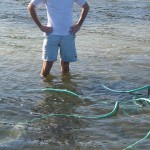
- Low tide makes everything easier!
-
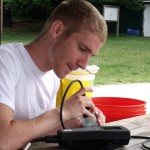
- A long day of seawater sample analyses.
-
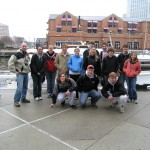
- Introductory course fieldtrip to assess water quality in Baltimore Harbor.
-
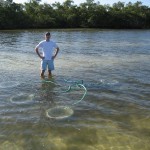
- Testing a free-ocean-carbon-enrichment system prototype in Florida
-
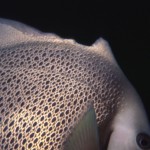
- “Chip”, our fravorite French Angelfish from the Grand Cayman.
-
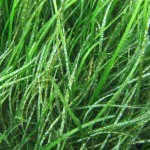
- Seagrass sequesters excess carbon from seawater.
-
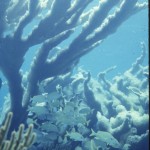
- This beautiful Acroproa coral is now nearly extint in the Caribbean.
-
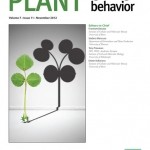
- One of our latest papers in plant resource allocation and metabolism
-
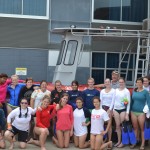
- The Global Scholars – Australia.
-
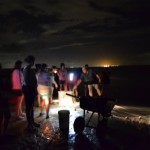
- Fish collecting is always better at night (but beware sharks!)
-
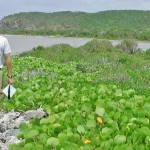
- Fieldwork in St. John, USVI.
-
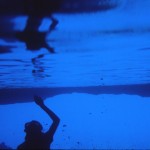
- Cave diving in the Bahamas
-
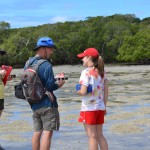
- The Global Scholars class in Myora Springs, Australia
-
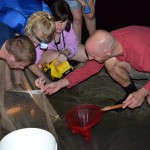
- Collecting rabbitfish, North Stradbroke Island.
-
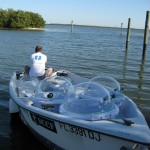
- Preparing to deploy near Sanibel Island.
-
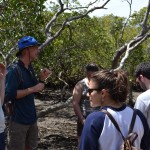
- Mangrove forests, Australia
Leave a Reply