
Was the end of the Cold War a bad thing?
Brands, Chapter 11: History Without End, 1987-91
- St. Alan and the Dragon (pp. 265-67)
- Just Say … Maybe? (pp. 267-70)
- Their Way (pp. 270-73)
- Soft Landing (pp. 274-77)
- Who’s Next? (pp. 277-81)
- Bush vs. Saddam (1) (pp. 281-85)
- The World in Real Time (pp. 286-90)
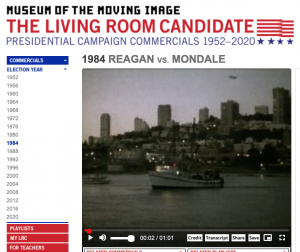
1984 // Reagan Re-election
In the 1984 presidential election, Ronald Reagan won 49 out of 50 states. This commercial, known popularly as the “Morning Again in America” ad helps illustrate the broad appeal of the reelection campaign –and the sophisticated selling techniques of modern presidential politicking.
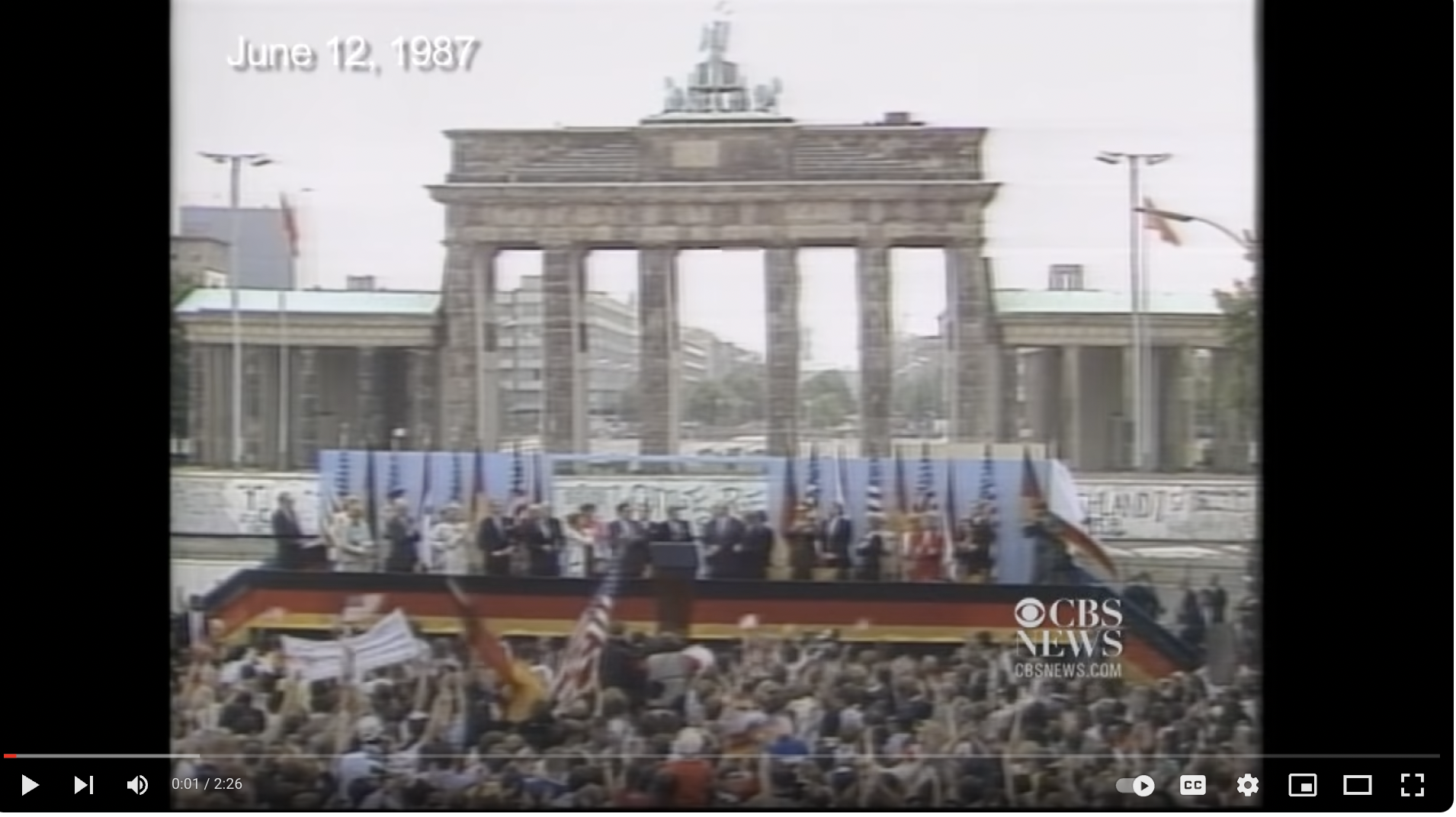
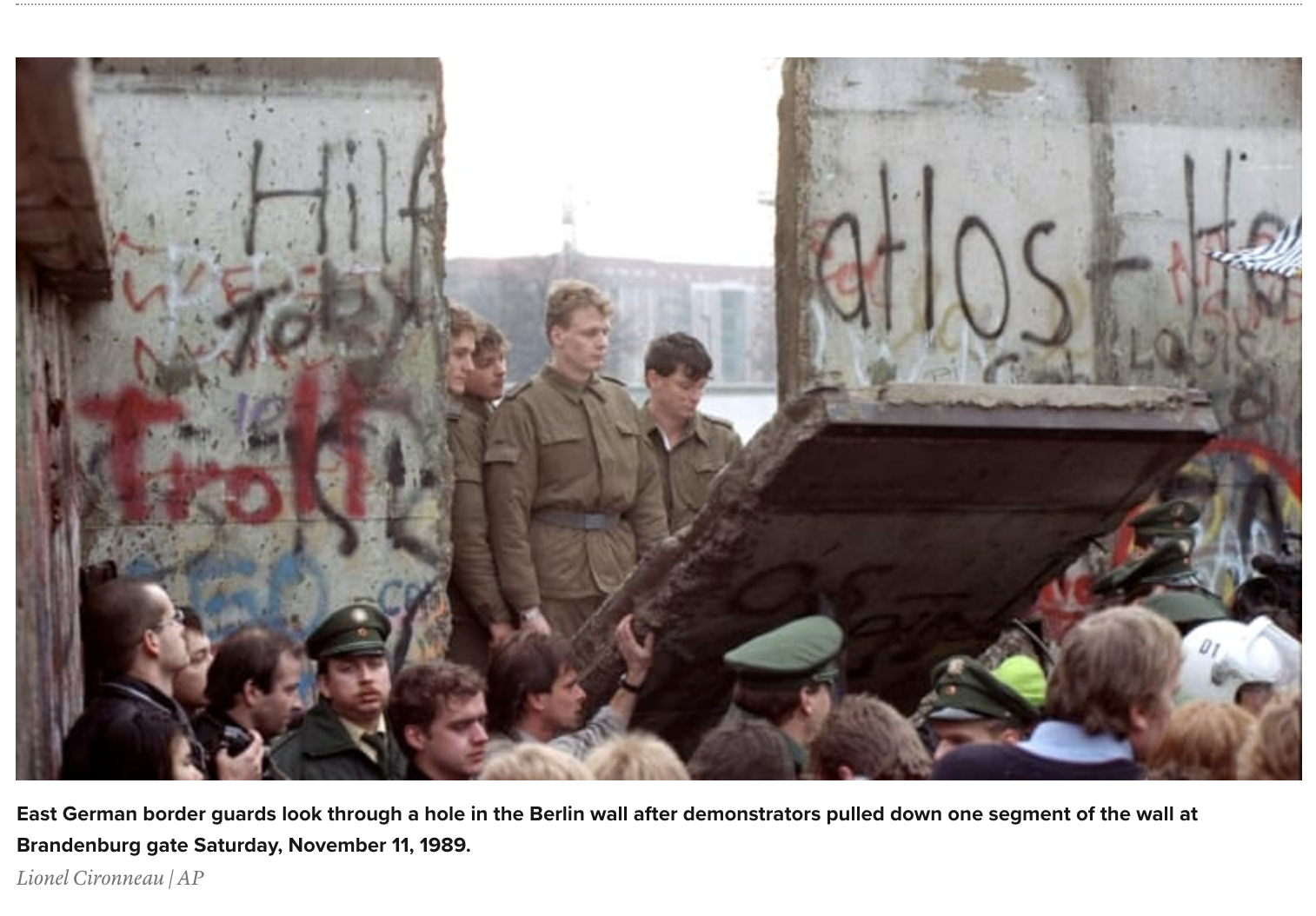
Fall of the Wall
Reagan in Berlin (1987)
Featured Document: End of Gulf War (1991)
“This is a victory for every country in the coalition, for the United Nations. A victory for unprecedented international cooperation and diplomacy, so well led by our Secretary of State, James Baker. It is a victory for the rule of law and for what is right. Desert Storm’s success belongs to the team that so ably leads our Armed Forces: our Secretary of Defense and our Chairman of the Joint Chiefs, Dick Cheney and Colin Powell. And while you’re standing—[laughter]—this military victory also belongs to the one the British call the “Man of the Match”—the tower of calm at the eye of Desert Storm—General Norman Schwarzkopf….We went halfway around the world to do what is moral and just and right. We fought hard and, with others, we won the war. We lifted the yoke of aggression and tyranny from a small country that many Americans had never even heard of, and we ask nothing in return. We’re coming home now—proud, confident, heads high. There is much that we must do, at home and abroad. And we will do it. We are Americans.”
Francis Fukuyama in 2020
Fukuyama teaches international policy at Stanford University. He graduated from Cornell and received his Ph.D. from Harvard. He worked at the RAND Corporation and helped lead the Policy Planning Staff of the US State Department during the Reagan-Bush administrations. He has previously taught at George Mason University and at the Paul H. Nitze School of Advanced International Studies (SAIS), Johns Hopkins University.