- Contents
- Why a “Romantic” Natural History?
- Backgrounds: From Aristotle to Erasmus Darwin
- The Anxiety of Species: Toward a Romantic Natural History
- The Loves of Plants and Animals: Romantic Science and the Pleasures of Nature
- Additional Topics in Romantic Natural History
- Darwin’s Evolution: A New Gallery of Images
- A Romantic Natural History Timeline: 1750-1859
- Natural Historians
- Spencer F. Baird
- Henry David Thoreau
- Charles Darwin
- Louis Agassiz
- John D. Godman
- Adam Sedgwick
- Geoffray St. Hilaire
- William Smith
- Georges Cuvier
- Alexander von Humboldt
- Benjamin Rush
- Jean Lamarck
- William Paley
- Thomas Jefferson
- William Bartram
- Joseph Priestley
- Erasmus Darwin
- Oliver Goldsmith
- Gilbert White
- George-Louis Buffon
- Carolus Linnaeus
- Literary Figures
- Letitia Landon
- Mary Wollstonecraft Shelley
- John Keats
- John Clare
- Felicia Hemans
- Percy Bysshe Shelley
- Lord Byron
- Samuel Taylor Coleridge
- William Wordsworth
- Ann Radcliffe
- Robert Burns
- William Blake
- Charlotte Smith
- Anna Laetitia Barbauld
- William Cowper
- Thomas Warton
- Christopher Smart
- Thomas Gray
- Thomas Beddoes
- James Thomson
- Alfred Lord Tennyson
- Robert Browning
- John Dyer
- Topics
- Temple of Nature (1803)
- Dorothy Wordsworth
- Fossils
- Geologist Poets
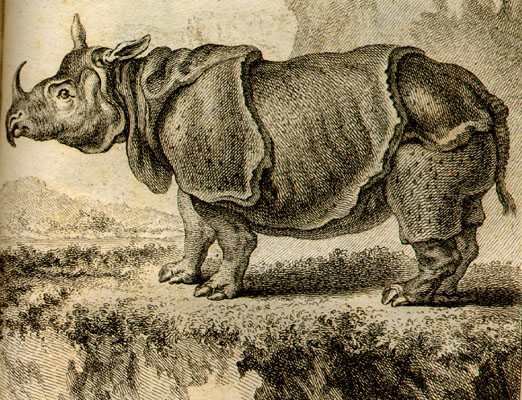
- Rhinos, Crocs and other Monsters
- Global Exploration
- Amphibious Thinking
- Poetry Lab with Dr. Frankenstein
- Galvani’s Electric Romanticism
- Frog Fish from Surinam
- Boundary between Plant and Animal
- Mimosa: The Sensitive Plant
- The Venus Fly Trap and the Great Chain of Being
- Humans as a species of Animal
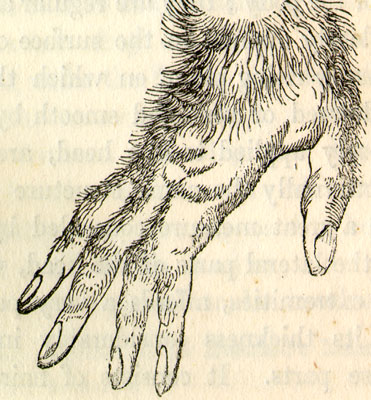
- Monkeys, Men and Apes
- Jardine’s Natural History of Monkeys
- Human Monsters and Reproductive Mysteries
- Human Taxonomy
- Goldsmith’s History of Earth and Animated Nature
- Erasmus Darwin and the Frankenstein Mistake
- James King Davidson’s Journal
- Zoos as a 19th Century Spectacle
- Mammoths and Mastodons
- Fontana on the Venom of the Viper
- Celestial Bodies
- Coleridge on Plants and Animals
- Baird Report as Curator of Museum
- Artists & Illustrators
- Bibliography
- Tags
(Male Narwal, or Unicorn, 1828)
I. Why a “Romantic” Natural History?
II. Backgrounds: From Aristotle to Erasmus Darwin
III. The Anxiety of Species: Toward a Romantic Natural History
IV. Romantic Science and the Pleasures of Nature
V. Additional Topics in Romantic Natural History
VI. A Romantic Natural History Timeline: 1750-1859
VII. Darwin’s Evolution: A New Gallery of Images
VIII. Natural Historians:
(The Temple of Nature, 1803)
Carolus Linnaeus (1707-78), George-Louis Buffon (1707-88),
Gilbert White (1720-93)
Oliver Goldsmith (1728-74), Erasmus Darwin (1731-1802),
Joseph Priestley (1733-1804)
William Bartram (1739-1823), Thomas Jefferson (1743-1826),
William Paley (1743-1805)
Jean Lamarck (1744-1829), Benjamin Rush (1746-1813),
Alexander von Humboldt (1769-1859)
Georges Cuvier (1769-1832), William Smith (1769-1839),
Geoffray St. Hilaire (1772-1844)
Adam Sedgwick (1785-1873), John D. Godman (1794-1830)
Louis Agassiz (1807-73)
Charles Darwin (1809-82), Henry David Thoreau (1817-62),
Spencer F. Baird (1823-87)
XIX. Literary Figures:
(“The Fertilization of Egypt,” 1791)
James Thomson (1700-48), John Dyer (1700-58),
Thomas Gray (1716-71)
Christopher Smart (1722-71), Thomas Warton (1728-90),
William Cowper (1731-1800)
Anna Laetitia Barbauld (1743-1825), Charlotte Smith (1749-1806),
William Blake (1757-1827)
Robert Burns (1759-96), Ann Radcliffe (1764-1823),
William Wordsworth (1770-1850),
Samuel Taylor Coleridge (1772-1834), Lord Byron (1788-1824),
Percy Bysshe Shelley (1792-1822),
Felicia Hemans (1793-1835), John Clare (1793-1864)
John Keats (1795-1821),
Mary Wollstonecraft Shelley (1797-1851), Letitia Landon (1802-38)
Thomas Beddoes (1803-49),
Alfred, Lord Tennyson (1809-92), Robert Browning (1812-89)
X. Artists and Illustrators:
(Nightingale, Bewick, 1797)
Joseph Wright of Derby (1734-92), Charles Willson Peale (1741-1827)
Thomas Bewick (1753-1828),
Rubens Peale (1784-1865), John James Audubon (1785-1851),
Titian Peale (1799-1885)
XI. A Romantic Natural History Bibliography
(8/2011: Updated Regularly)
Houghton Mifflin has published a teaching anthology
based on the Romantic Natural History hypertext
Click cover image to purchase a paperback copy of Romantic Natural Histories (2004)
This site has been recognized for excellence by The New York Times (“Circuits” section),
the BBC (“Education Web”), Romantic Circles (University of Maryland) and as “Site of the Day” (BLTC Research, UK)
This page has received over 25,000 hits since 1/1/2009
As of November 2011, the site is receiving c. 2,000 hits per month
Tag Cloud
alligator America amphibian animals apes Aristotle art Ashton Nichols astronomy bird Blake Bologna botany Byron Charles Darwin chemistry Coleridge crocodile Darwin Dickinson College dinosaur ecology elephant Erasmus Darwin evolution exploration explorers fiction flowers fossils Frankenstein frog geology gills global gnat Gothic Great Chain of Being imagery Linnaeus literature mammoth Mary Shelley mastodon medicine monkeys monster monsters mouse mystery myth natural history nature writing Oliver Goldsmith painting planets plants poetry poets Priestley prose race reproduction rhinoceros Romanticism salamander science seasons sensitive plant sexuality Shelley Smithsonian snakes species stars taxonomy Thomas Jefferson tiger toad travel venom Venus fly-trap Victorian women Wordsworth zoo