The Chemistry of Earth Systems

Dried Samples

By Elizabeth Plascencia
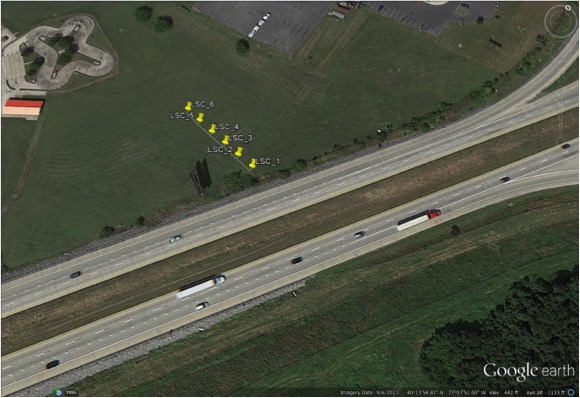
Our sample site location off of I-81 in Carlisle, PA

As an Earth Sciences major in the 2014 Global Climate Change Mosaic, the elective course that I choose to enroll in was ERSC 331: The Chemistry of Earth Systems. This course is a major requirement and I also thought that it would be useful in addition to the ERSC 204: Global Climate Change mosaic course. Fundamentally this course has expanded my understanding of chemical principles and mechanisms behind major earth systems. The marriage between ERSC 204 and ERSC 331 further enabled me to comprehend the earth systems as a whole in understanding ocean acidification, thermal expansion, extreme weather-related events, anthropogenic environmental effects, natural hazards, etc.

Our final research project for this course revolved around the central theme of trace elements (particularly metals) in the environment as pollutants. Within our lecture course we were taught the differences between anthropogenic and geogenic sources of elements, so that once we began our field work in the Carlisle area we were able to make educated guesses on where to collect our soil samples. Scientific studies suggest that certain trace elements are more likely to be derived from anthropogenic sources while others are more likely to be geogenic, related to and sourced from the bedrock.

Our class was split into five research groups in order to help determine the sources and effects of pollutant trace elements since Carlisle has a large diversity of land-use. Once the research groups collected, analyzed, and presented their results, as a class, we attempted to infer the potential toxicity to the Carlisle population and environment.
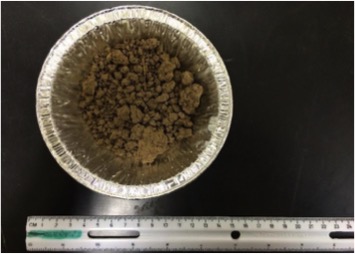
Dried soil sample from I-81 off of Carlisle, PA


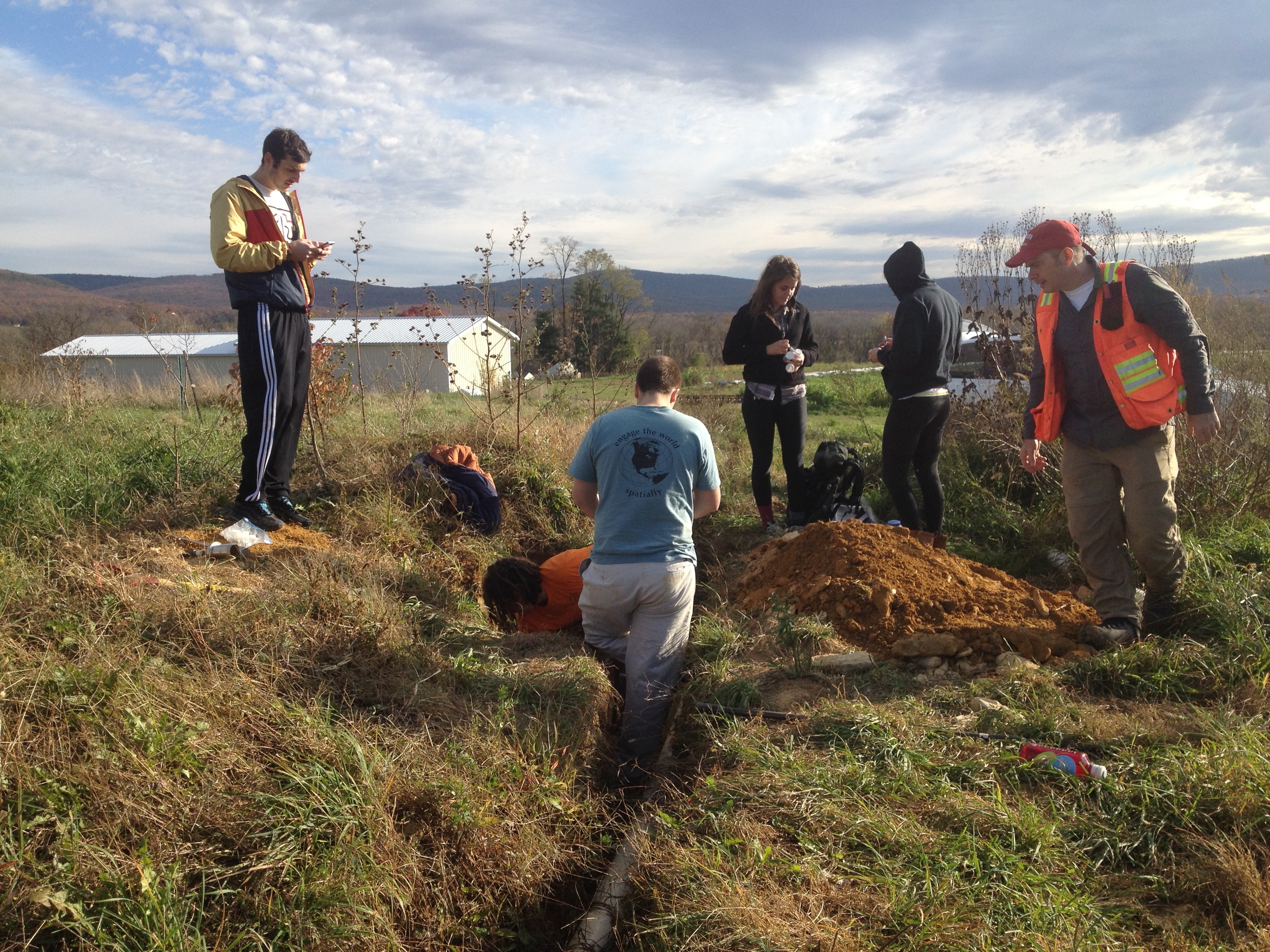
The objective of my group research project was to discern the effect of transportation on soil chemistry, if any. Carlisle is a historical hotspot for truck traffic since its geographic location can reach over 100 million people within a 10-hour driving radius. Therefore, I-81 and the PA Turnpike are major areas for noxious emissions from the burning of oil and gas. Our sample technique consisted of collecting 10 soil samples on a vertical transect from I-81. We collected a sample every 10 meters from the road and proceeded to collect a top soil and deep soil sample in order to test for possible trace element accumulation overtime.


Making a glass disk from one of our soil samples in order to run an XRF analysis


Our hypothesis is as follows: If truck traffic affects soil quality, then we should find high concentrations of trace elements closer to the highway near the soil surface. Trace element concentrations should exponentially decrease as we move away from the road and with depth. After XRD, XRF, and Total Carbon (TOC) analytical tests on our soil samples we concluded that Co, Cu, Zn, and Pb exponentially decreased as we moved away from the road. Zn and Pb also revealed a trend of exponential decrease with depth as well. Oddly enough we found that Na was extremely high above our Hagerstown background soil sample that we used as a standard to test against our soil samples. We soon realized that road salt was another anthropogenic source for this element.

Overall I found this material extremely helpful as an elective course for the mosaic. Further developing my understanding of the geochemical and geophysical reactions that drive the earth systems has helped me immensely.
Paradigm Shift

untitled

In my Religion and Modern Culture class, we have talked about paradigm shifts this semester which is directly related to the climate change conversation. The movie, “An Inconvenient Truth” is a, excellent example of a paradigm shift emerging. The movie, and the work of Al Gore, is an attempt at shifting the worldview of the climate change problem. The movie acts to summarize a brief synopsis of the problem and it does so in a way that can be easily understood to the general public and is easily relatable. Towards the end of the movie, Gore brings up the topic of the Kyoto Protocol. The United States originally signed the Kyoto Protocol but never ratified it; this caused a huge global controversy that continued along with the US not ratifying the second commitment period to Kyoto. Where the visible shift can be seen is through initiatives in the United States being taken in California and the nine north eastern states banding together to take action. In Gore’s presentation, he shows a list of a multitude of major cities that are in support of the Kyoto. This is where the paradigm shift is starting to be seen, at the bottom-up level.

He also mentions, towards the end of the movie that he is doing his part by doing what he can. This entails giving presentations in major cities all around the world, addressing people at a more local level. His approach of conveying the message and the approach of the movie is extremely similar to that of James Balog and the film Chasing Ice. Sitting and chatting with Balog on a more personal basis and seeing his presentation while he visited Dickinson really put a lot of things into perspective. Balog, in the same way that Gore does, conveys his message in the best way he possibly can, through his photography. Both men express a sense of urgency and the need for further communication. Gore mentions that the issue of the ozone hole has been depleted; the climate change problem is not completely out of our grasp. What is needed, is a complete shift in cooperation globally, a paradigm shift. Not everyone is currently sitting at the table, but everyone is invited.

Eight years has passed since this movie came out and the shift is still continuing; there is power growing. I think the Peoples Climate March, the largest climate march in history, that took place recently is an extremely powerful example of the movement. Well over 400,000 people took the streets of Manhattan to express their voices and to take a stand. However, the shift needs to continue. Even here at Dickinson College, ranked in the nation among the most environmentally friendly schools, still needs change. There are people that don’t think anything of their actions throughout their day, perhaps they should. Everything we do in our everyday lives, literally everything, has an impact. The amount of times I hear students and friends say that their minute actions make no difference, that one or two things makes no difference, is literally sickening. The fact that people can leave their phone charger plugged into a wall while it is not in use and it is still emitting .5 pounds of carbon into the atmosphere per hour is again, a sickening thought. People NEED to be more conscious. The shift must continue.

The title of the movie is what it is; the issue of climate change that needs to be addressed is inconvenient in many ways. It has been ignored for so many for way too long because people would rather pretend the problem is not there than actually address it head on. The novel, Merchants of Doubt, by Naomi Oreskes is a perfect example of doubt being used in many controversies over time. It is inconvenient both in that we have to deal with it and it’s impacts on today’s world, with some nations being more vulnerable than others. The definition of sustainability, to uphold the needs of today’s people without compromising the needs of future generations, relates to this inconvenience in that the paradigm shift must occur in order to comply with the needs of future generations.

The Inequality of the Get Richer Quick Schemes of the 1%


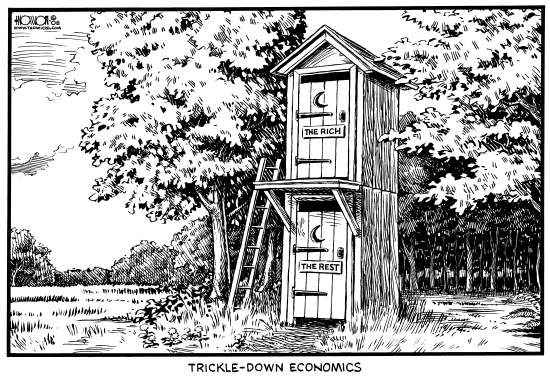
trickle-downTaking Professor Barnum’s class American Inequalities while in the mosaic has enabled me to really trace the pattern of poverty in those affected most by policy backfires. The housing crisis of 2008 leading to the Great Recession hit those who lost their mortgages and went through foreclosures the most even though the housing bubble burst because of irresponsible lending by large banks. As Joseph Stiglitz, the economist who coined the term the “1% and 99%” writes “the irony is that in the crises that finance brings about, workers and small businesses bear the brunt of the costs” (Stiglitz 66). The 1% can play around with the system in order to eke out as much profit as possible despite the harm its actions might cause the rest of society.  The sad part is, the trickle-down effect is bogus. Increased profits for the 1% does not fuel the overall American economy because the richer one is, the smaller portion of their income they actually spend. Thus, those most defenseless against economic hardships are the ones most vulnerable to exploitation by the 1%.

From http://judithcurry.com/2014/07/24/towards-a-pragmatic-ethics-of-climate-change/

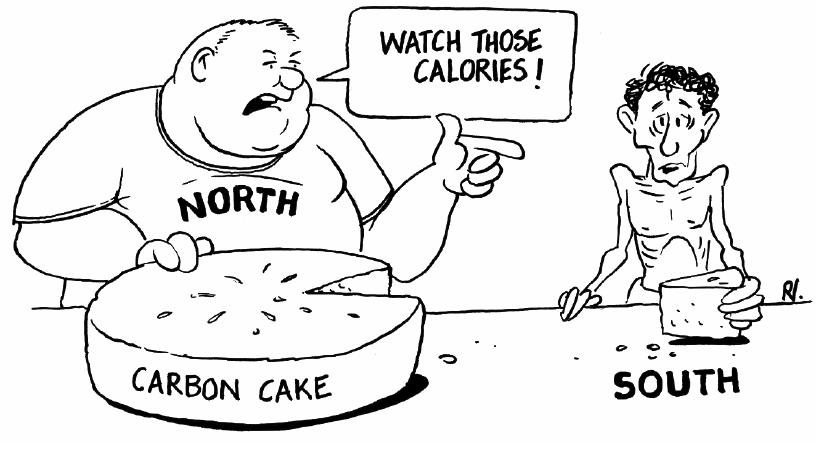
This reminds me of my research on LDCs and their vulnerability to climate change despite the fact that they did little to cause the problem. LDCs have contributed next to nothing in GHG emissions causing global climate change. Still, they will be the ones worst hit. Developed countries have been emitting GHGs for over a century, causing global climate change and as a result, have become rich and powerful in the global governance arena. Meanwhile, LDCs have stayed behind and will also be the first, and worst, hit by droughts, sea level rise, and temperature changes due to climate change. The fact that LDCs often still rely on subsistence agrarian societies- a sector way too reliant on climate considering the upcoming roller coaster. While developed countries have been able to develop away from agrarian societies and on the way caused climate change, LDCs have been left behind with agrarian societies put at great risks in the face of climate change.

LDCs, like the most impoverished in the US, are the ones hit hardest by the development schemes of the rich, yet they feel none of the benefits. This reflects a greater trend in all of society, where those who are poor are the most disadvantaged. There is no way for the poor to “pick themselves up by their bootstraps” while the rich are constantly tying them down through their own schemes of exploitation. Only when this trend is changed will policies have a possibility of creating more equal successes for all.

Klaus Keller at Dickinson

Keller web

By Elizabeth Plascencia

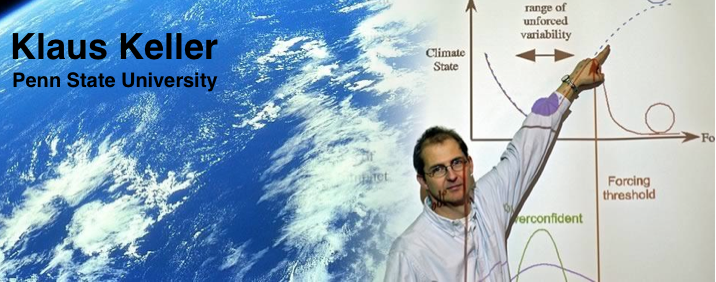
Klaus Keller, Department of Geosciences at Penn State University

This past Tuesday, November 11th, the ERSC Seminar Series welcomed a special guest from the Department of Geosciences at Penn State University, Klaus Keller. His lecture was called “Climate Risk Management in the Anthropocene: From Basic Science to Decision Making (and back)” and it directly related to our studies in both of the mosaic courses, ERSC 204: Global Climate Change and SUST 330: Global Environmental Challenges and Governance.

As Keller spoke about this whole notion of decision making under uncertainty, I could not help but directly relate it to the work under the UNFCCC (United Nations Conference on Climate Change). As December 1st approaches, our cohort has been wrapping up our relevant course materials as we prepare for our time at COP20. This lecture made it evident that uncertainties are truly still a roadblock in climate negotiations.

Keller’s perspective was extremely enlightening and I was eager to speak with him after his lecture. Fortunately, Will Kochtitzky ‘16 and I were able to chat with him after his talk and he gave us some great pointers about future work in climate change post-Dickinson.

Keller also spoke about the SCRiM (Sustainable Climate Risk Management) Scholars Program which particularly peaked my interests. It is essentially an interdisciplinary team of climate scientists, economists, philosophers, statisticians, engineers, and policy analysts from 19 universities and 5 research institutions across 6 nations. Together this team works to answer the looming question of: “What are sustainable, scientifically sound, technologically feasible, economically efficient, and ethically defensible climate risk management strategies?” My sense is that this program offers an incredible opportunity to anyone who is interested in pursuing work within climate change, sustainability, sustainable development, and/or sustainable risk management development. I personally am interested in possibly applying to the SCRiM Scholars Program.

Overall, I am very pleased to have had the opportunity to speak with Keller and I really can’t believe how close we are to attending COP20. Cheers.

For further reading, please feel free to check out this link

Climate Change is Simple

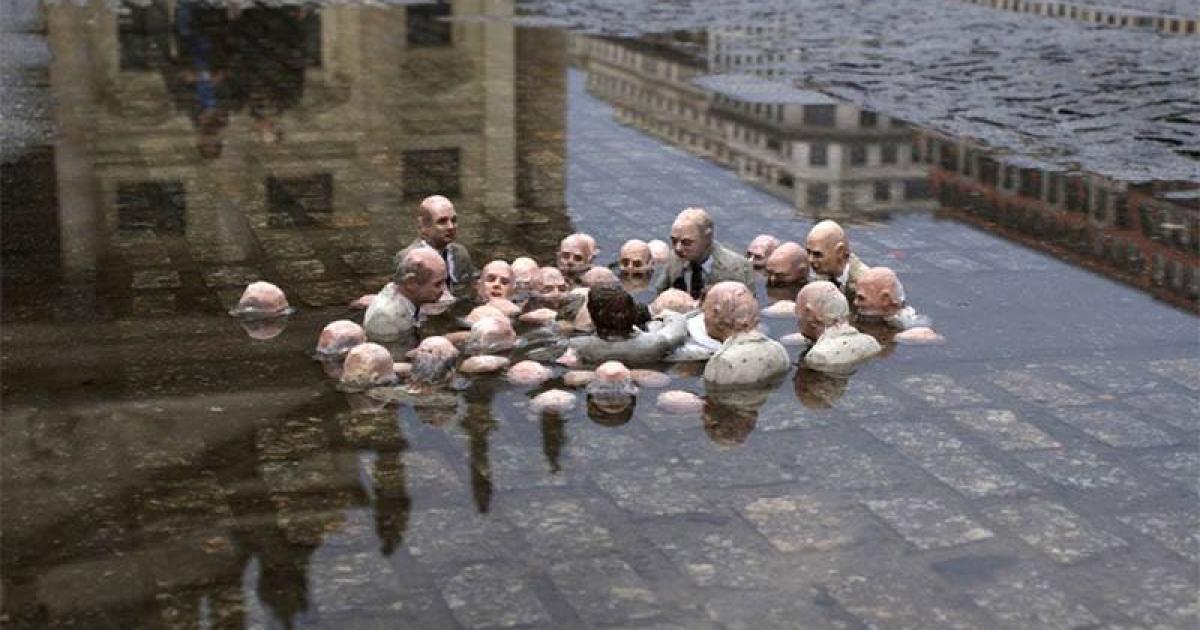
Dubbed “Politicians Discussing Global Warming” by social media. Street sculpture by Isaac Cordal.

Why is no one talking about climate change?

A 2014 Gallop poll found that more than half (56 percent) of Americans are concerned a great deal or a fair amount about climate change. However, how often do you hear people bring up the subject of climate change in everyday conversation? It’s a downer, that’s true, but you think the impending doom of the climate as we know it would get more air time.

In a recent TED talk, David Roberts talks about why some people don’t like to talk about climate change- they think it’s too complicated.

Anytime you mention it, the hoards descend, bearing complicated stories about the medieval ice age or sun spots or water vapor… and you know there’s a lot of myths born by these climate skeptics but to debunk these myths you have to go online and research and read and be able to respond to them in detail and a lot of people just find that prospect dreary and so they don’t bother. -David Roberts

However, Roberts assures us that climate change is simple. You just need to know a few key facts.

1. Gases surround the Earth to warm it and keep it stable.

2. For the last 10,000 years the climate has been relatively stable (around +/- 1 degree C).

3. All advanced human civilization since the dawn of agriculture has taken place within this 10,000 year period of stability. In other words, our present society is built upon the Earth’s climate remaining the same.

4. However, humans are changing this past climate stability by burning fossil fuels and releasing carbon into the atmosphere. We’ve already raised the global average temperature 0.8 degrees C.

5. The data is very strong on the cause of climate change, but, in spite of this, we humans are not doing much to change our habits. Unfortunately, our present course leads to certain catastrophe.  


The iconic “stay below 2 degrees C” is a goal almost certainly too high to be safe and too low to possible. At the rate we are going, global average temperatures could increase around 4 or 6 degrees C by the end of this century. This means a completely different Earth than the one we inhabit today. This means intense droughts, different coastlines, and vast amounts of uninhabitable land.


There are many complicated and fascinating discussions to be had about what to do about it or about what effect our actions might have on the climate and when or which policies are best based on cost benefit analysis. There’s complexity, plenty of complexity, for those who like complexity but we now know to a fair degree or certainty that if we keep doing what we are now doing, we will face unthinkable catastrophe.

That’s the bumper sticker, that’s the take home message.


And saying, ‘I don’t want to talk about that because I don’t know the ends and outs is like saying ‘I don’t want to raise alarms about Hitler’s army being 100 miles out because I don’t know the thread count of their uniforms or I don’t know the average calorie intake of a German solider. You don’t need to know those things to be scared that the army’s on the margin, to raise alarms about it.

-David Roberts

Now, it’s our job as citizens of the Earth to talk about what’s going to happen. We know potentially catastrophic change is coming. We know how to decrease the danger. Now we just have to take collective action as the human race.

[youtube_sc url=”http://www.youtube.com/watch?v=A7ktYbVwr90″ title=”Climate%20Change%20is%20Simple” border=”1″]


My Introduction to the Earth Sciences

IMG
Digging our sampling trench.


Having never taken a geology or earth science course before I thought it would be a good idea to use my elective space for Introduction to Soils. In general soil is not something I had ever thought a great deal about, except in relation to agriculture and runoff. So, getting to learn about the formation and evolution of soil types has been eye-opening to say the least. It is a complex field of study, with an incredible amount of variables. The class originally attracted me because of the implications soils have on construction and architecture. You can’t build a building and be certain it will last 50 years, without understanding what you are building on. Pertinent to this, I am conducting research on the strength of certain soil particle sizes in the hopes that I can understand what types of soils, generally, are good to build on. For instance, sand sized particles are obviously not going to be a strong surface to build on, but if mixed with a certain proportion of clay sized particles (compact and stick together well) could that sand become a strong building surface.

Will driving the sampler down a few feet
Will driving the sampler down a few feet for a preliminary assessment of the Dickinson Farm’s soil.

Beyond this research I have gained an appreciation for those who conduct soil surveys, because after reading through some of the literature and taxonomic guides I have found it is something that takes years of very specialized work to understand and be good at. These scientists also may have their work cut out for them as we being to see wetter soils and shifting landscapes due to flooding, fires, and inundation.

Brazil: the Good, the Bad, and the Ugly

Brazil Protest

In today’s class lecture we discussed Brazil’s progress towards mitigating climate change. Brazil has made an enormous effort in reducing tropical deforestation, Brazil has kept 3.2 billion tons of carbon dioxide out of the atmosphere since 2004″ (Atkin, 2014). Brazil once had the highest deforestation rate in the world mainly due to livestock and logging. Rainforests are an important carbon sink, however deforestation emits large amounts of carbon dioxide into the atmosphere, thus changing the climate. Although Brazil’s 70 percent decline in deforestation has helped reduce greenhouse gas emissions, other parts of Brazil are still feeling the effects of climate change. Sao Paulo is suffering from one of the worst droughts to have hit Southern Brazil in several decades. The water scarcity is causing violent conflicts between residents. As the climate continues to change, and droughts become more prevalent we can expect to see more violent conflicts and citizens protesting for access to resources like water, which are necessary for survival. Rainy seasons in Brazil have shown a pattern of less rainfall each year, “The Sao Paulo metropolitan area ended its last rainy season in February with just a third of the usual rain total only 9 inches” (Gomez-Licon, 2014). The government is being blamed for the issues of water scarcity, which shows that as the climate keeps changing and water becomes more limited there must be systems implemented for distributing water equally. Otherwise the world’s poor will be exposed to more vulnerabilities, and violent conflicts will increase. 


Atkin, Emily. “Brazil Has Done More To Stop Climate Change Than Any Other Country, Study Finds.” ThinkProgress. N.p., n.d. Web. 10 Nov. 2014. <http://thinkprogress.org/climate/2014/06/06/3446097/brazil-cuts-carbon/>.

Gomez Licon, Adriana. “Sao Paulo Drought Leaves Brazil’s Biggest City Desperate For Water.” The Huffington Post. TheHuffingtonPost.com, 07 Nov. 2014. Web. 10 Nov. 2014. <http://www.huffingtonpost.com/2014/11/07/sao-paulo-drought_n_6118888.html?utm_hp_ref=green>.


Harry Potter, Not Knowledge and Colbert

“You don’t have to worry about global warming anymore, because the Senate sure won’t” – Stephen Colbert

Colbert Climate Change

Regardless of your personal views, and political officiation, the outcome of the recent republican domination of this election will undoubtably have an some meaningful consequences on the America’s action on climate change.  Especially considering that a man who wrote a book entitled “The Greatest Hoax: How the Global Warming Conspiracy Threatens Your Future,” James Inhofe  is about to replace Barbara Boxer as the chair of the senate’s Environmental Committee. The absurdity of this is downright comical.. and also terrifying.

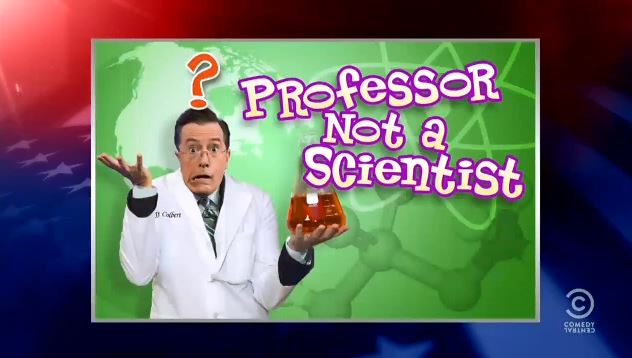
Stephen Colbert, a master of political humor and sarcasm, had a clip in response to this entitled “The Repulicans’ Inspiring Message on Climate Change” that called out and summed up the ridiculousness of this as well as other climate change deniers; otherwise known as “not knowledge” by “not scientists.” In talking about Inhofe’s book he said, “its like harry potter for people who thought harry potter as too much science in it.”

In one of the most accurate and amusing metaphors on the way many in the republican party view climate change, Colbert pours water into a container with a topographic model of the United States. As he is pouring in the water he says,”now what apears to be happening is that the water is rising. Why? One theory is: I don’t know I’m not a scientist…Oh look there goes florida! And there’s no way of knowing why.”

Sometimes I don’t know whether to laugh or cry.


[youtube_sc url=”https://www.youtube.com/watch?v=hfq7mF9-ndA”]


Methane Emissions Controls: An Invaluable Learning Experience

FRACKING WATER

Within the Mosaic courses, we focus mainly on the UNFCCC and, thus, almost exclusively on CO2 emissions.  However, in ECON-222: Environmental Economics, a group of us from the Mosaic had the opportunity to research and learn about another greenhouse gas, one that is far more potent and dangerous to climate change: methane.  CH4 is the second most prevalent greenhouse gas emitted through anthropocentric sources, has an atmospheric lifetime of twelve years, and has a one hundred-year global warming potential twenty-one times that of carbon dioxide.  So, while it only accounts for fourteen percent of total greenhouse gas emissions worldwide, it is still a critical factor in the climate change realm; unregulated at its source, and methane emissions could undermine the work that the UNFCCC facilitates on carbon-dioxide emissions.

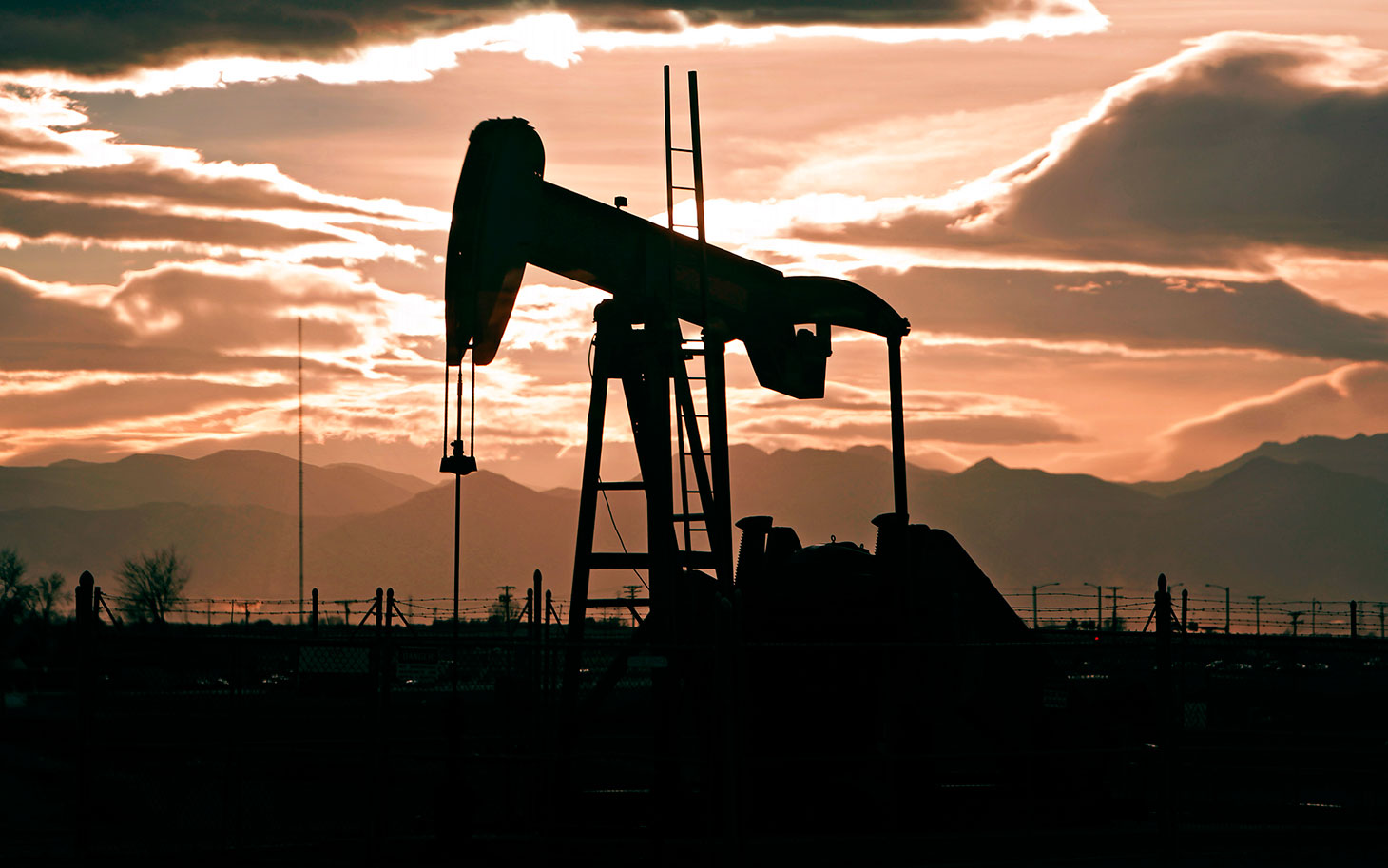
We focused on three main sources of methane emissions (agricultural sources, the oil and natural gas industry, and landfills) and employed various tools of economic analysis that we had learned previously in the course to critically analyze various policy options and make a recommendation as to which we believe is the most effective and cost-efficient.  My main focus was on the oil and natural gas industry, which accounts 37 percent of global methane emissions.  Natural gas is seen as a transition fuel away from fossil fuels for many economies that is both cleaner and readily available; while it may be cleaner in terms of carbon-intensity, that doesn’t mean it’s necessarily better for the environment, as between 80 to 90 percent of each cubic feet of natural gas is comprised of methane.  Thus, most of the emissions in the industry come from natural gas processes, which is fraught with inefficiencies and opportunities for emissions to escape into the atmosphere.  Thus, many of the major policy suggestions I evaluated in this research project focused on increasing efficiency along the natural gas supply chain.  These policies further fell under two umbrella categories under increasing efficiency, one being the retrofitting and upgrading of existing equipment along the supply chain to mitigate emissions escaping in the first place, and the second being the capture and sale of those emissions that do escape.  Policies under both umbrella categories are currently being employed, and have proven to be cost-effective in both achieving emissions reductions and increasing revenues for the industry as a whole

This project offered an exceptional opportunity to complement what I’ve learned in the Mosaic classes and to delve into the intricacies of my chosen field of study (economics) and how it relates to climate change generally.


For more information on methane emissions specifically in the US, visit the EPA website.

For more information on the methane emissions from the oil and natural gas industry and for an in-depth look at proposed emissions control policies, read through the Natural Resources Defense Council’s Leaking Profits: The U.S. Oil and Gas Industry can Reduce Pollution, Conserve Resources, and Make Money by Preventing Methane Waste report from 2012.

Art and the Environment- Strip Mining

Lang Cover
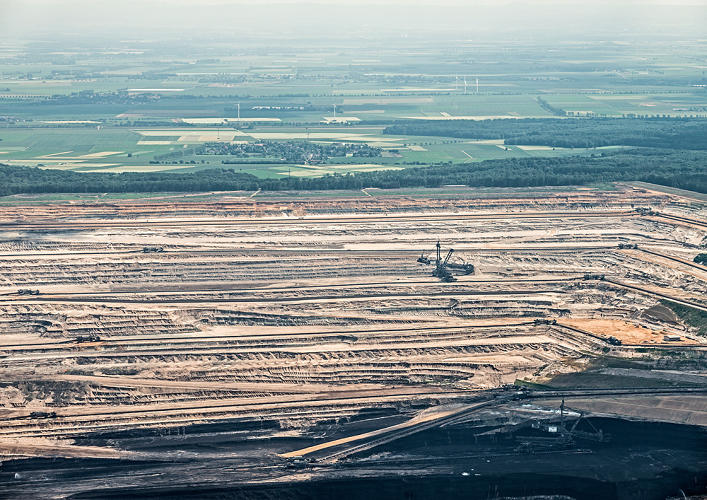
Credit: Bernhard Lang  A 30 story bucket excavator  cuts out more coal.
Credit: Bernhard Lang
A 30 story bucket excavator cuts out more coal.

I came across a recent collection of photos by aerial photographer Bernhard Lang. This collection is that of an aerial shoot above the Hambach Mine in Germany. This lignite open pit mine is the deepest (in relation to sea-level) on the planet, being 931 feet below sea-level. Currently the mine is about 35 square kilometers large with a planned ending size of 85 square kilometers, roughly the size of Manhattan. All of this in a country that plans to be 80% renewable by 2050 and currently is the solar energy capital of the world. Some argue this is a result of the shutting down of nuclear facilities after Fukushima, as well as a result of the way emissions trading schemes are set up in the EU. The mine is still open and churning out coal everyday. Lang has done an excellent job of showcasing it, much in the way Balog has represented glacial melt and the impacts of anthropogenic global warming. This is not the first time Lang has been up in the air, attempting to capture the scale at which our society operates, much of his aerial work has taken on an environmental twist. As I find more artists looking to use their talents and passion to raise awareness and enact change, I wonder what else we might see in the coming decades.