This course provides an introductory overview of the interdisciplinary and dynamic field of food studies. We will learn about the production and procurement of food, as well as its place in history, health, and the sciences. We will also examine ethical, cultural, and spiritual meanings of food.
Blog Posts
-
Waste To Energy: Where does our food go after disposal?
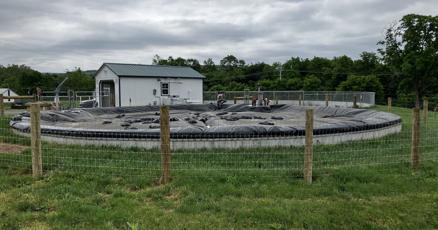
Introduction Do you ever think about what happens to our food after we throw it away? I didn’t either. I assumed it just went to the dump and sat there. It’s food, so how bad could it be for the environment? As it turns out, food waste in landfills releases a greenhouse gas called methane,…
-
Food Waste: Why Are People Throwing Away So Much Food?
Introduction to Food Waste: A major issue in America and around the world is Food waste. Food waste refers to the decrease in the quantity or quality of food resulting from humans’ decisions and actions (Halpin, 2026). It affects the environment, the economy, and the way people think about food. Many people throw away food…
-
Indigenous Foodways and the Carlisle Indian Industrial School
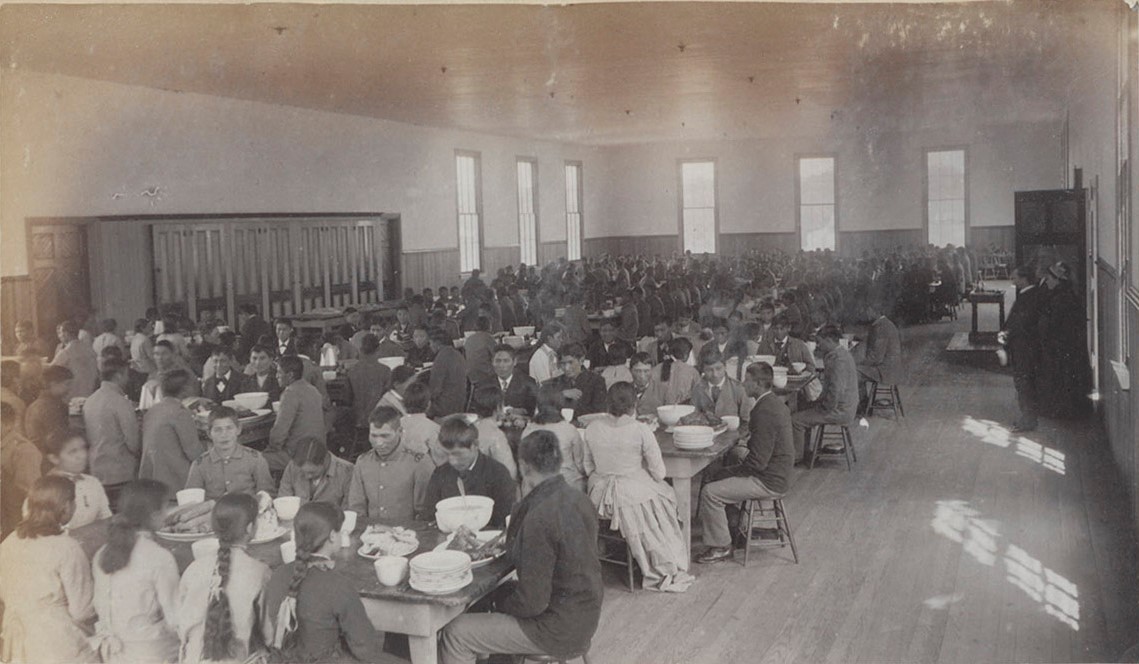
Figure 1. Image of the interior of the Dining Hall. The female and male students are sitting on opposite sides of the tables. What is an Indigenous Foodway? An Indigenous foodway is the way an Indigenous tribe hunts, gathers, and prepares food. These foodways often differ depending on the region due to…
-
When Does Adaptation Become Tradition?
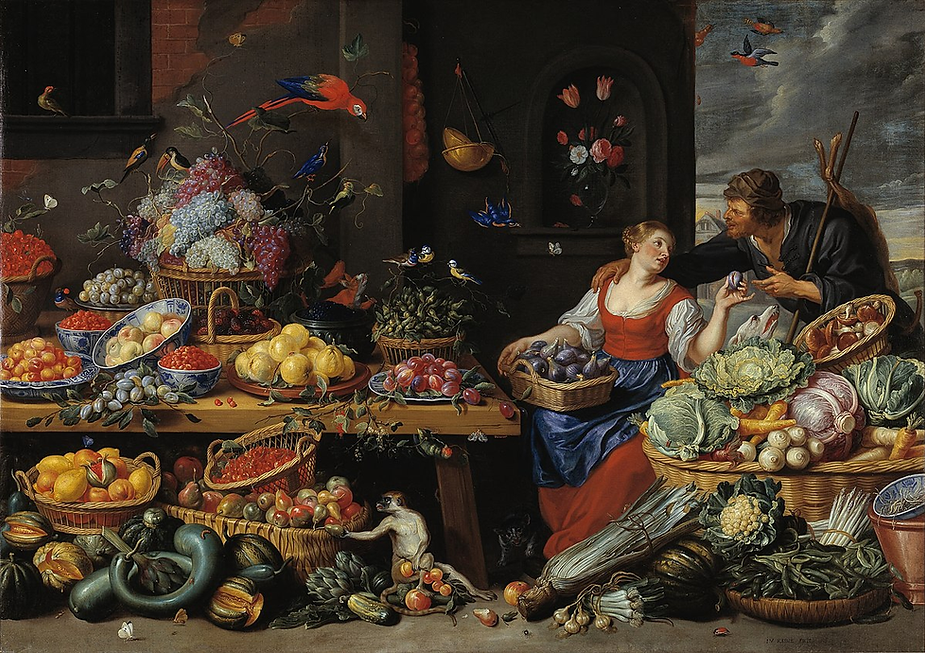
When Does Adaptation Become Tradition? “Food has a culture. It has history. It has stories, it has relationships, that tie us to our food.” — Winona LaDuke (2012) Figure 1 Note. Figure 1 depicts Jan van Kessel the Elder’s Fruit and Vegetable Market With a Young Fruit Seller (1650–1660), presenting food within a social and…
-
Inequity and Access in the Food System
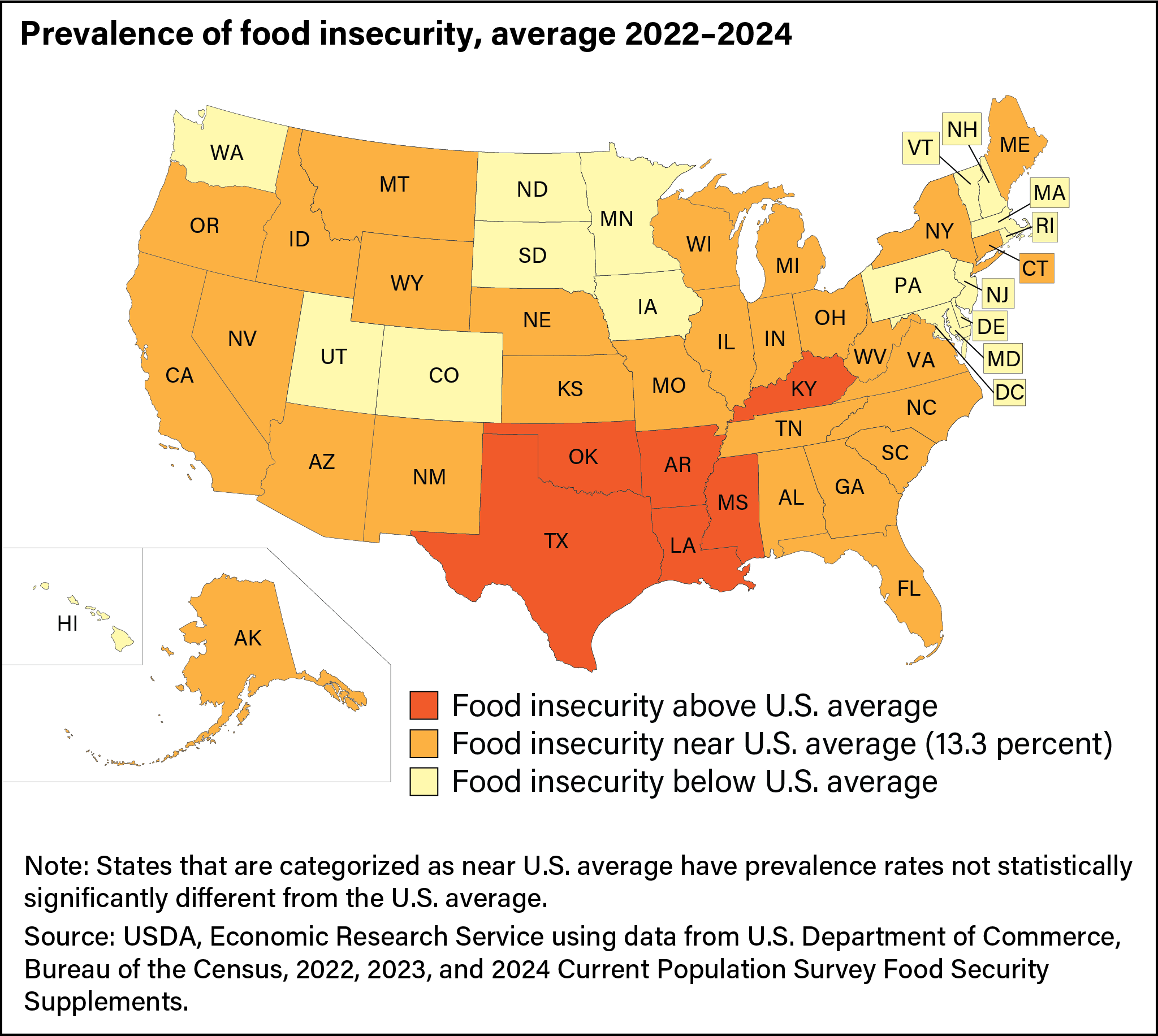
Introduction to Food Access and Food Security Food insecurity is not contained to the most-populous 50 US cities. But, in 2024, the number of food insecure individuals across the country totaled just shy of their equivalent, roughly 48 million people or just over 13% of the population (United States Department of Agriculture [USDA], 2026c). While…
-
Models of Food Production
Fig. 1. Monocultural potato field. Wikipedia. https://en.wikipedia.org/wiki/Monoculture. Picture a farm. What comes to mind? Rows on rows of corn, barns full of chickens, all sprawling over acres of clear-cut land? This is the dominant approach to agriculture, known as capital intensive farming, which involves using nature for human needs on large-scale farms (Halpin, 2026). This approach…
-
EXAMPLE FOR TECH TRAINING: Why Food Is More Than Just Something We Eat
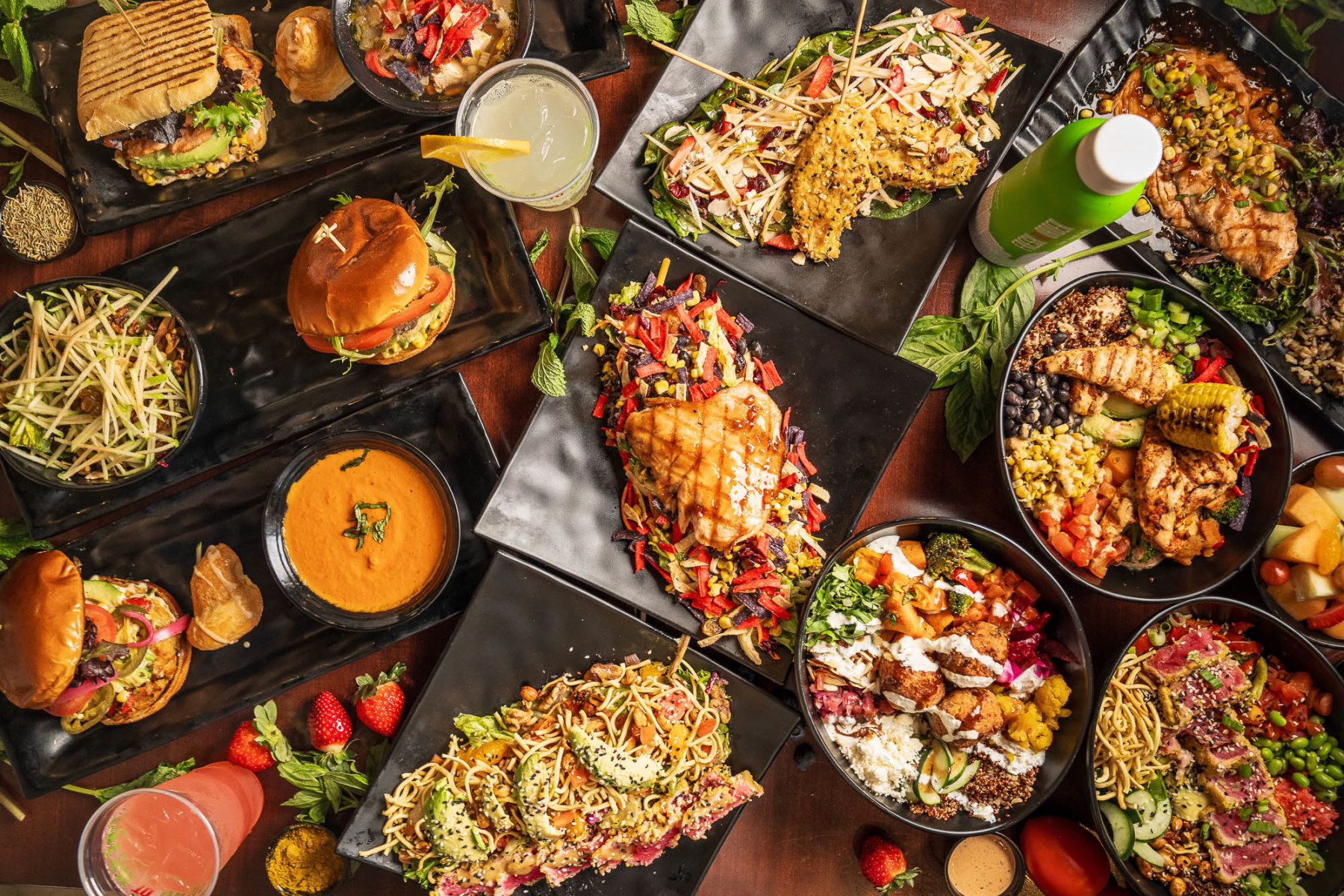
Food is part of everyday life, but it can also tell us a lot about people, communities, and cultures. The study of food can include topics such as agriculture, nutrition, traditions, economics, sustainability, and access to food. A strong blog post should go beyond simply summarizing information and should include your own thoughts and reactions…