Assets to Good Websites

Finding good websites on the web can actually be somewhat challenging. There are a number of assets that make some websites better than others. Yes, a website should be well written, but what are the little things that make some websites standout and keep surfers of the web to interested? One of the first steps in making a good website is making the website visually appealing to the viewer. Viewers tend to lose interest when a page is simply black and white with words just lined across the screen. Websites should have unique designs that help make the words stand out more and keep the viewer interested. Lance Hosey would agree with this in her piece we examined in class. “Instinctively, we reach out for attractive things; beauty literally moves us.” For example, although it is not a website, the textbook we use for class, How to be an Explorer of the World, is a perfect image of unique design. Usually when I do reading for class it is a complete struggle at times and seems like a chore, but this textbook was actually fun to read because of the design and how it personally interacted with you. The book uses unique ways of putting the worlds on paper, which keeps the reader interested and on track.

When I say websites should have unique designs, I want to emphasize that advertisements is not a part of the design. Advertisements on websites are probably the most unattractive part of some websites. They catch the attention of the viewer in the wrong way and can sometimes take the viewer away from your website, especially when an ad pops up on the screen before a viewer even sees the homepage of your website!

Another way to make a great website, which is often overlooked, is good strong titles and first sentences. “Good first sentences prompt us to perk our ears. We read a good first sentence, the lights go down, the music starts, and we look around for our popcorn”- Sean Michael Morris. It may sound silly, but I cannot even count all the times when the first sentence pushed me away from reading a piece or blog post. The main goal of someone’s writing should be to grab the attention of the reader and there is no better way to do so than in the first sentence. It sets the tone for the rest of the reading.   You can often see this strategy in newspaper articles and articles written online, especially on websites such as CNN and Fox News.
Posted in What Makes a Good Blog? | Comments Off on Assets to Good Websites

What Makes an Excellent Post?

When it comes to creating a blog, as in any other type of writing, what we say-content- is very important. But it is also true that how we say it and, especially, how we present it to our audience- form- is essential in captivating our reader.  As Baptiste Alchourroun states in the article “Why We Love Beautiful Things” (http://www.nytimes.com/2013/02/17/opinion/sunday/why-we-love-beautiful-things.html) “Good design, often in subtle ways, can have dramatic effects.” There are a number of factors which writers should bear in mind when creating a blog if they want it to be popular and attractive.

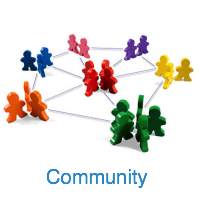
First, authors should try to “build communities” ( Brian Carroll, “Writing for Digital Media”) as they create their blogs. Readers should be given room to express their opinion, give feedback on the various posts, and ultimately, be able to interact with each other.community

Look at the following blog, http://www.theconnectivist.com/2014/09/bridging-the-digital-divide-students-get-wired-at-home/                                                            There is a section at the end of the post for comments. Here, authors can gather information about the impact of their publications on the audience. According to Pete Rorabaugh, the “Growth (of ideas and composition) is determined by the encouragement and critique of the community. […] We create the choir as we preach, and the choir creates us.”  So this feedback section and the interaction among readers are of vital importance to turn readers into “active partners rather than passive consumers.” (B. Carrol)

Another factor authors should bear in mind when writing blogs is keeping  pages easy to be navigated, read and explored. Readers need to be clearly guided in the process of reading the posts. Moreover, It is advisable to include pictures, videos, and hyperlinks; in a few words, to make the blog multimodal. This will make it much more appealing and captivating. Going back to our initial example (http://www.theconnectivist.com/) , there is a section in this blog in which we are directed to other pages, which we can access if we want to read more about the topic.

Sin título

Finally, blogs should be updated frequently. Carrol suggests writing every day. The frequency of updating may depend on the topic of your blog; but frequently bringing it up to date is out of the question.  I think a source of inspiration for writing regularly is curiosity. Every day, we should try to look at things from a different perspective, thus becoming “Explorers of the World” (Keri Smith).  This process will lead us to authenticity, which audiences will surely appreciate.


authenticity


Posted in What Makes a Good Blog? | Comments Off on What Makes an Excellent Post?

Digital Writing: Not All Blogs Are Excellent

blogging

Not all blogs are excellent. Digital writing is difficult, just as any kind of writing, but that is no reason to be discouraged from starting your own blog. Many writers have taken to writing on the web with the advent of easy to use blogging software. Brian Carroll notes that “[t]he democratization of the tools of publishing by the Web has been nothing less than revolutionary” in his book Writing for Digital Media. He couldn’t be more right. Online writing remains a dynamic and continuously changing form of expression. Many people want to be a part of the network of online communities and to create excellent blogs. But how?

“Because digital writing provides no road map. At least not yet. Where it goes, what it does, how it lives when we’re not watching is something we cannot foretell.” -Sean Morris (http://tinyurl.com/jwxafvf)

The most important aspect of a blog is the content. It must be concise, multi-modal, and engaging. Whether your blog subject is how to farm or dogs that have tiny legs, make sure your content capitalizes on your digital platform. In addition, the blog should be updated frequently in order to be successful. ( http://www.huffingtonpost.com is a good example of an excellent blog that is updated frequently.)

Blogs and online writing are, by nature, communal actions. By writing online we are engaging in a community. Consider Pete Rorabaugh’s assertion that digital writing helps “rebuild “audience,” expose the organic layers of a composition, and invite outside participation in key stages along the way” (http://tinyurl.com/mmxzf85). It is clear that the separation between audience and writer have been blurred by digital writing. An excellent blog explores these opportunities for connection.

Blogs must be aesthetically pleasing. They are a visual experience and excellent blogs are both visually stunning and easy to navigate. Lance Hosey’s article, “Why We Love Beautiful Things,” explores the connection of design and pleasure. She notes that “we are drawn to good design” and we are still trying to figure out why (http://tinyurl.com/c4juhre). One example of a visually pleasing blog is http://www.humansofnewyork.com/. The design is visually appealing and functional.

Digital writing and maintaining a blog take a lot of effort, but it can be a very fulfilling process. The online community, the challenge of recognizing the most effective design, the development of engaging content. Blogging offer us a lot; it is a vast world at the tip of your fingers.

Posted in What Makes a Good Blog? | Comments Off on Digital Writing: Not All Blogs Are Excellent

Steps to a Great Blog

What makes a good blog? Let’s begin with the basics. What defines something as a blog in the first place?  “A web blog or blog is simply a Web page or site for frequently updated posts, or entries that typically are arranged or presented in reverse chronological order, so that new entries always appear on top” (Writing for Digital Media).

This definition is a good place to start, but it is lacking. Blogs should also contain pictures, links, tags, hash tags etc. that connect the so-called blog to other aspects of social media. These additions (as opposed to just words on a page) create a multimodal experience, which contribute to the making of a great blog. This allows readers to connect to all aspects of what the Internet has to offer. It helps promote other blogs and at the same time keeps yours eccentric and interesting.

Unknown


Photo Source: http://upload.wikimedia.org/wikipedia/commons/a/a0/Social-media-for-public-relations1.jpg

Personally, I don’t keep up with many blogs, but the ones I have had the pleasure of reading offer a great sense of voice—an almost conversational tone. They are easy to read and to the point. In his article, Digital Writing and Uprising: Third order Thinking in the Digital Humanities, Sean Morris points out, “that the words themselves are active. They move, slither, creep, sprint and outpace us. Digital words have lives of their own.” This is important in the world of the Web because it keeps blog readers interested. The use of voice offers a way for readers to personally connect to something that billions of other people have access to. When the right tone is achieved, readers keep reading, and bloggers know they have created something worthwhile. As Pete Rorabaugh says in his piece, Organic Writing and Digital Media: Seeds and Organs, “Growth of [ideas or composition] is determined by the encouragement and critique of the community.” Bloggers themselves need the reassurance from their readers (or community) that they have something special and meaningful, which brings me to my next point.

speak_up

Photo Source: http://uxdesign.smashingmagazine.com/wp-content/uploads/2012/08/speak_up.jpg

A blogger should consistently be posting to their blog. No one wants to fall in love with a blog that they have to wait months on end to read the next hot topic. Once we like something, we want more if it. It’s the way we’re programmed. More posts mean more regular readers, which means more support and in turn a more successful blog.

In summary, blogs should offer more than just a script that one reads. This gets boring, and no one wants that. The tone of a blog should be conversational—witty, serious, dark, light etc. There are endless possibilities, but there is no need for formality. A message to all bloggers: “be yourselves and not the writers you would channel when writing a history paper.” Last but not least, frequent posts are a must. Everyone craves that guilty pleasure that they can’t unglue their eyes from. All of these aspects will make for a great blog—one that will keep readers coming back for more, time and time again.

Note: All images are labeled for re-use.

Posted in What Makes a Good Blog? | Comments Off on Steps to a Great Blog

What Makes An Excellent Blog?

In order to create a successful blog you need more than just good writing.  An individual may be an outstanding writer, but if he does not demonstrate any other characteristics other than his ability to write he won’t become a popular blogger.  A good blog needs outstanding design and frequently updated posts, with a good balance between facts and opinions.

When viewing popular blogs, you will find that all have a unique and attractive design.  The first thing that an individual will notice when opening a blog is simply how it looks.  As Lance Hosey says in “Why We Love Beautiful Things”, “Instinctively, we reach out for attractive things; beauty literally moves us” (Hosey).  A creatively designed blog will grab your attention, making you want to dig deeper into the blog posts.  On the other hand, Hosey later states that poor design has the opposite effect.  When you view something as poorly designed, or even ugly, you don’t want to view that object any longer.  In the case of a poorly designed blog, you won’t want to even give the blog posts a chance if you are turned away by the design.

As a blogger, there are many people who subscribe to your blog, sharing a common interest in enjoying your blog posts, so blog frequently.  By frequently I don’t mean every hour, but instead every day.  In the article “Blogito, Ergo Sum”, Brian Carroll states the first step to becoming a better blogger is writing everyday (Carroll).  How often you blog really depends on the popularity of your blog and the amount of people who read your posts.  Smaller, less popular blogs won’t post nearly as often as large, popular blogs like SB Nation.  SB Nation blogs multiple times throughout the day because of the large audience who follows them.  The more popular the blog, the more often the blogger updates the site.

Good blogs also maintain a healthy balance between facts and opinions.  Carroll states that this blend between the two is common in all popular blogs (Carroll).  Presenting the factual evidence and following up with your personal opinion as a blogger creates an atmosphere for your audience to post their opinions in a comment section.  This balance draws the reader in whether they agree or disagree with you, and in some instances help the reader to develop their own opinion about the factual evidence, which makes them feel more like they have a voice in your blog.


Posted in What Makes a Good Blog? | Comments Off on What Makes An Excellent Blog?

The Write Stuff

There are a lot of components that a blog should have in order to be considered good. As an avid user of the popular blogging website Tumblr, I know that there are many forms that a good blog can take. Personally, I follow blogs that range from just picures to just words. However, the majority of the blogs that I follow have a common theme, and that is the use of both pictures and words in order to keep people interested in what they’re posting.

image

As people’s attention spans seem to be getting shorter, so do the articles that people post online. As Brian Caroll said in his chapter seven of his book Writing for Digital Media, “Online readers do not like to read long columns of text unless the content is extremely compelling.” Blogs need to be creative. They’re not dense textbooks. Blogs need to not only give the reader the information that they came to that specific blog for, but they also need to be presented in  a way that gives the reader a sense of comfort. It needs to be shown in a way that the reader doesn’t necessariy notice. As Oliver Reichenstien once said, “Good design is invisible.” A blog that’s full of big words and pages of text without pictures is not going to be a blog that many people are attracted to.

Another thing that  Carroll believes is important for a good blog is consistency. Posting everyday allows your readers to feel as though they’re living their lives alongside yours, and that’s important.

image Connecting with your readers on a personal level is  huge part of having a successful blog. Another reason why blogging everyday is important because the simple act of writing everyday will increase the quality of your writing. The better the writing, the more interested people will be.


Posted in What Makes a Good Blog? | Comments Off on The Write Stuff

Stand Out Blog

After being in class for just a few weeks, I have come to the realization that creating an excellent blog is more challenging than one would initially think. In today’s fast paced world, it is no longer sufficient to have a blog with good writing. Rather, a successful blog must integrate interesting content with creative form. While writing still functions as the “gut” of the blog, other features such as layout, structure and color need to be strategically considered. Hosey underscores in Why We Love Beautiful Things that we cannot be passive consumers of design. Consequently, an excellent blog will incorporate math in the form of art by utilizing the golden rectangle. A blog with a layout that parallels features from the golden rectangle will retain a strong audience since the human mind is hard wired to search for beautiful things. The following link demonstrates the benefits of the golden rectangle in more detail: http://www.hongkiat.com/blog/golden-ratio-in-moden-designs/.

In addition to intertwining content with form, good blogs will avoid summary and focus on analyzing interesting subject matters. Rosenwasser explains, “…when people analyze, they break things down in order to see them more clearly and construct their understandings of the world they inhibit” (55). By doing so, blogs that analyze examine a topic beyond the surface level, allowing readers to see something in a new light. An admirable blog will use strong analysis to provide clarity and alternative viewpoints to those typically considered. Another aspect that I believe is vital for a sensational blog is creating a voice. Being yourself and allowing your personality to shine threw the computer screen will make the blog unique. Seth Godin, author of Purple Cow, says that the key to success is to stand out- to be a “purple cow”. I think this concept translates well in the world of blogging because repeating what has already been said is boring, readers are not intrigued by an ordinary cow. An exceptional blog will not be a standard cow, instead it will create an authentic voice and won’t be afraid to veer off the beaten path. A blog I admire is The Bloggess because the writer provides a unique perspective and is not afraid to be candid with her opinions.

In the world of blogging – be different!

An outstanding blog is aware of the audience and will capture their attention immediately. Morris explains this well: “Good first sentences prompt us to perk up our ears. We read a good first sentence, the lights go down, the music starts, and we look around for popcorn and candy. First sentences allow us to predict what the language that follows will do.” Since the blogging industry involves a lot of touch and go, the first impression truly matters. In addition to hooking the audience at the beginning, a good blog will also retain the attention of the audience as well. I believe that excellent blogs encourage comments and feedback from readers. Allowing readers to feel engaged helps create a community and Rorabaugh emphasizes the importance communities play on the reputation of blogs. Finally, I believe the more personal the blog, the more successful it will be. For example, having an about the author section will provide transparency and establish a sense of trust between the writer and readers. I believe The Skinny Confidential  has a desirable ‘about’ section because it provides personal information about the writer, but not too much information. In addition, I believe blog rolls provide a personal touch that will also permit the blog stand out in a positive way. Overall, a blog that intertwines content with form, analyzes subjects in a new form and focuses on the audience, serves as the perfect formula for generating great success.


Posted in What Makes a Good Blog? | Comments Off on Stand Out Blog

Summer Blogging!

Hello All!  For this summer, I will be blogging under a different site, so follow me there for all the updates on my internship in Washington, D.C.!

Posted in Student Blog Project 2013 | Tagged , , , , | Comments Off on Summer Blogging!

Spring, finally.

0KW_3362.JPG

Bless our hearts

to hear in the

breaking of bread

the song of the universe. 

-Father John Giuliani


Sorry for the silence. We’ll be back shortly. Promise.

In the meantime, you can find us on pinterest, instagram and twitter


Posted in Student Blog Project 2013 | Tagged , | Comments Off on Spring, finally.

Modern Folk Lore and Cultural Revelations

Of the many older books on my dorm room bookshelf (including some older texts and local histories), one always seems to catch the eye of my visitors.  Bound in a hard blue cover, Tom Burnam’s 1975 book The Dictionary of Misinformation debunks many of the myths and legends surrounding famous proverbs and sayings.  From the meaning of “assault and battery” to the true origins of SOS, Burnam’s book offers many explanations for the world’s most misused and misunderstood sayings.

The cover of Burnam's Dictionary of Misinformation.  Courtesy Amazon.com.

The cover of Burnam’s Dictionary of Misinformation. Courtesy Amazon.com.

It is, in many ways, similar to modern websites such as UrbanDictionary and Know Your Meme, which are themselves cultural knowledge databases.  Just like many of the entries in UrbanDictionary, Burnam’s entries are often clarified by background in the culture and history of time in which they were written.  In this way, Burnam’s book is a cultural artifact in its own right.

Here’s an example:  Burnam’s first entry under the letter “I” is the quote from Gherman Titov, “I Am Eagle!”  For Millennials, this phrase most likely holds no significant meaning.  In fact, the large majority of Millennials probably could not identify who Titov is and why he is so important.  However, to those who were alive during the Space Race between the United States and the United Soviet Socialist Republic, this phrase likely conjures images of Soviet space technology.  In 1961, eight years before Apollo 11 landed on the moon, Titov, a Soviet cosmonaut, was the second man to enter space, and the first to spend more than a day in orbit.  The phrase “I Am Eagle,” proclaimed by Titov during his orbit, struck many Americans with fear, dreading the possibility that the Soviets might one day have sole control of the final frontier.

Gherman Titov.  Courtesy of CORBIS/The Telegraph

Gherman Titov. Courtesy of CORBIS/The Telegraph

Burnam sets the record straight with Titov’s quotation: the cosmonaut was simply identifying himself and his aircraft, the Eagle.  The fact that Burnam includes this entry speaks volumes to the culture of the era in which he published his book: the United States was still in stiff competition with the Soviets for political influence and control, and the Space Race was still very much a part of international politics.  What may be striking to those that lived during the Cold War is that the phrase “I Am Eagle” is not commonly recognized by Millennials.  It may be more surprising that, while “I Am Eagle” is not defined by sites such as UrbanDictionary, the Space-Age phrase “The Eagle has landed” has six different UrbanDictionary definitions.

As an aspiring archivist and historian, the cultural context needed to comprehend some of Burnam’s entries is quite fascinating, at it shows just how different American culture is now as compared to 40 years ago.  This of course raises the question of how sites like UrbanDictionary, with their entries for terms such as “glasshole,” “twerk,” and “hipster,” will be interpreted by our posterity.  What is clear, however, is that sites like Know Your Meme and UrbanDictionary will be wealthy sources of cultural knowledge and context for future researchers, giving a glimpse into today’s society, its history, and its values.

What are your views on today’s cultural artifacts and our interpretation of the past?  How do you think we will be seen and interpreted by future generations?

Posted in Student Blog Project 2013 | Tagged , , , , , , , , , , | Comments Off on Modern Folk Lore and Cultural Revelations