by Alex Arnold ’27
Our trip to Berlin was packed with a mosaic of different experiences. We traveled through different periods of German history in an immersive way: from visits to museums, amazing conversations, to, not least, simply moving through the unique metropolitan atmosphere only to be found in Berlin. And, naturally, to fit all of these experiences into just five days (well, really only four in Berlin, but more to this later), we had to use every moment to our advantage. In other words, we were busy!
To describe all that we did on our trip in detail would, I think, be a challenge to read through. So, I hope to instead share about a select day’s worth of experiences that I found to be particularly special. On our second day, Friday, we delved extensively into the topic of the state surveillance in the former German Democratic Republic (GDR), the former authoritarian-socialist which existed in East Germany from 1949-1991.
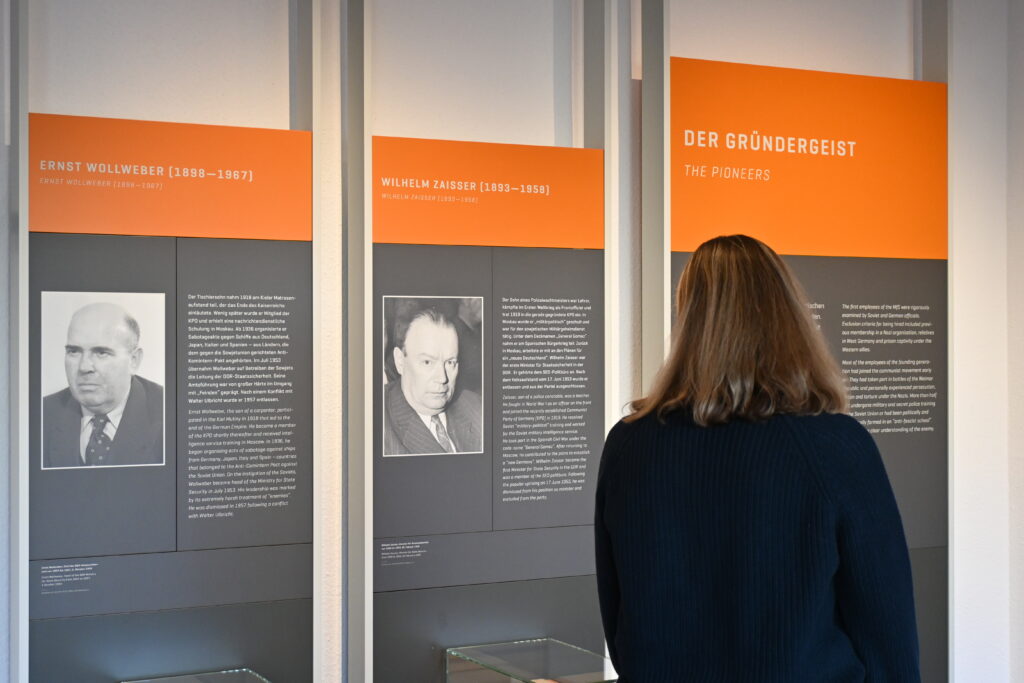
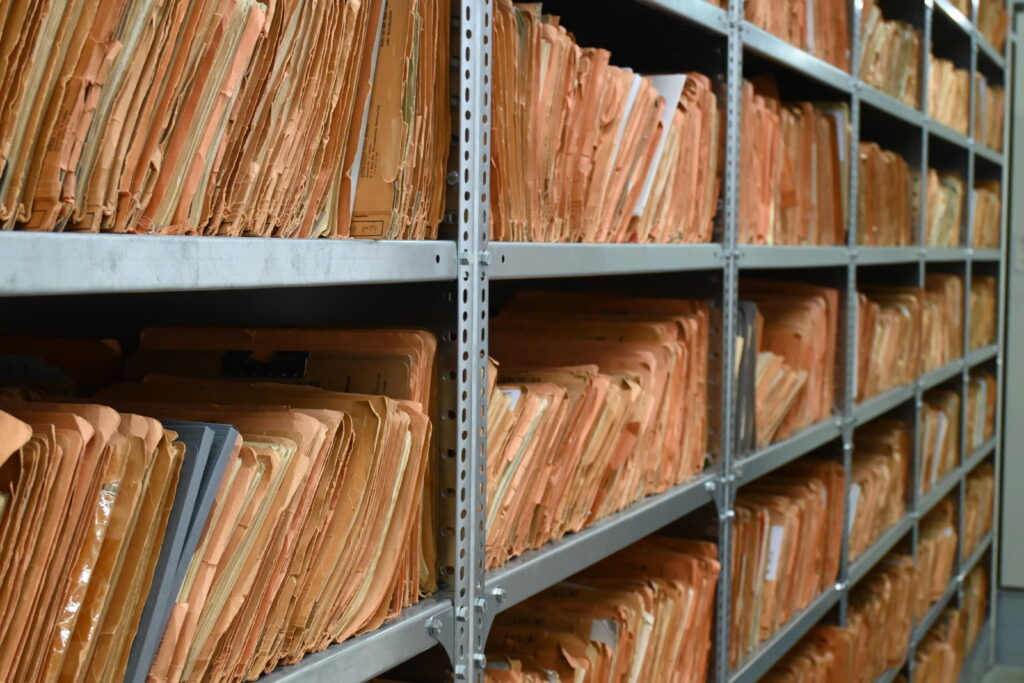
We visited the former Stasi (Staats Sicherheit or “State Security”) headquarters which, today, has been converted into a museum detailing the role this powerful instrument played in monitoring and exerting control over East German citizens. We even had the very special opportunity to enter the archives where detailed files pertaining to East German citizens are kept. Ranging from the most mundane to highly private, enough information was collected by official and unofficial Stasi workers regarding suspected regime critics or dissidents during the GDR to span around 60 kilometers if the files were to be aligned side by side, as if placed on one single continuous shelf. The most interesting part of the day, however, was still to come.
After visiting the Stasi museum, we traveled to a former prison on the outskirts of East Berlin called Hohenschönhausen where detainees were held during the GDR. Likely some of very same people whose files we had just glimpsed in the archives. Today, the prison has similarly been converted into a museum, although that’s not to say that the drab, depressing interior of the cells have seen much improvement.
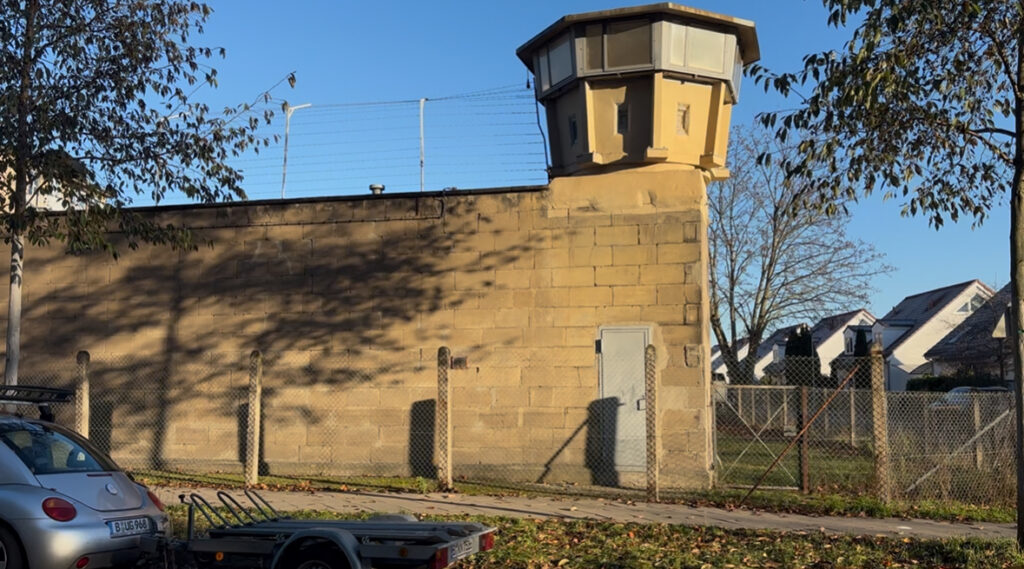
At Hohenschönhausen, we received a detailed guided tour from an older gentleman by the name of Friedemann Körner who described all elements of detention within the facility. What Herr Körner shared about the prison, however, came from personal experience. For three years during the GDR, he was detained as a prisoner in Hohenschönhausen. The tour was a mix of history lesson and biography. In between showing us different locations in the complex, Herr Körner sat us down from time to time and shared details about his life in East Germany, how he ended up in detention, his experiences in Hohenschönhausen, and his eventual release.
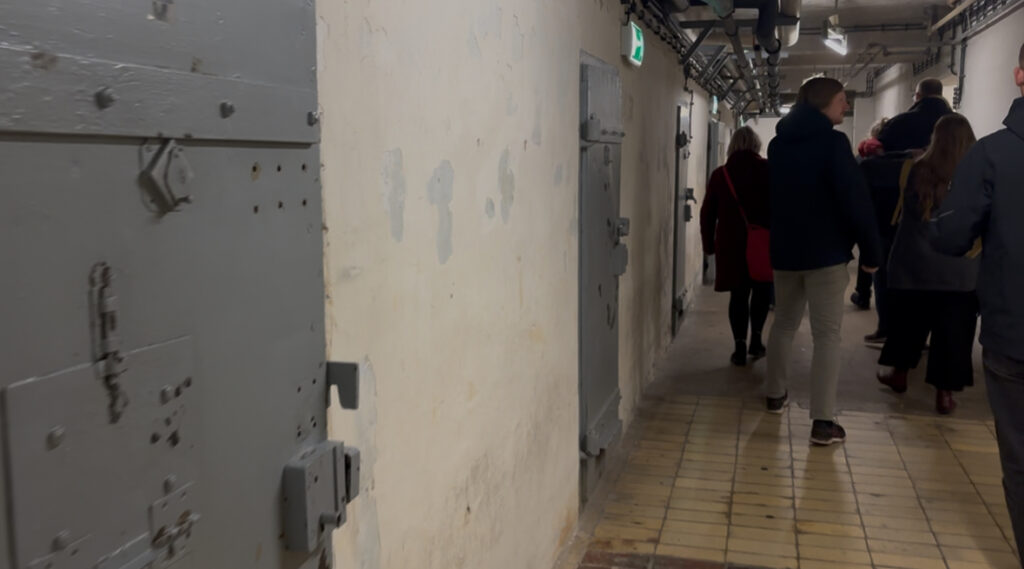
Through the German curriculum at Dickinson, I had already learned much about the GDR and I was, thus, captivated by Herr Körner‘s first-hand account. Nothing had ever emphasized the reality and currency of what, to me, was history quite like listening to him talk about his lived experience. If the readers of this blog are interested in learning more about Friedemann Körner‘s story, a biographical account was written by Irene Köß and published under the Titel “Sänger hinter Gittern” (Singer behind bars), a reference to Herr Körner’s career as a professional vocalist. As we departed Hohenschönhausen for our alumni meet-and-greet, I was deep in thought, considering all that we had learned and seen that day. Although the day wasn’t filled with happy stories, I felt thankful and reassured: I knew I had made the right decision to learn German and study abroad, allowing me to connect with people and places in a way that would have been impossible through translations and textbooks.