– by Alex Arnold ’27
It’s difficult to pick out just one experience from the trip as my favorite as they all added to another in some way, giving us more perspective regarding the city’s history and culture. Another reason behind this simply being that the entire trip was filled with special moments. However, for the sake of sharing one of these special moments, I will highlight my Tuesday, the fifth full day of our excursion.
My Tuesday began, like many other mornings of the excursion, early with a morning walk through still-sleepy streets of the capital. While I treasured roaming through the history-rich streets throughout the trip, the most special part of our Tuesday was still to come.
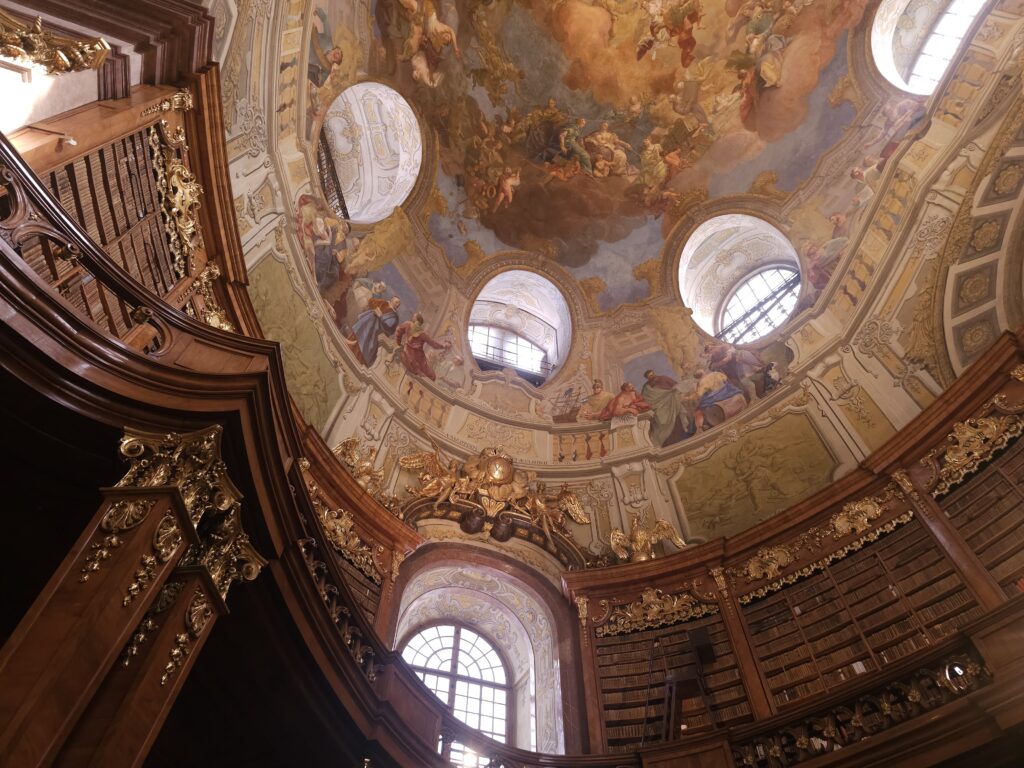
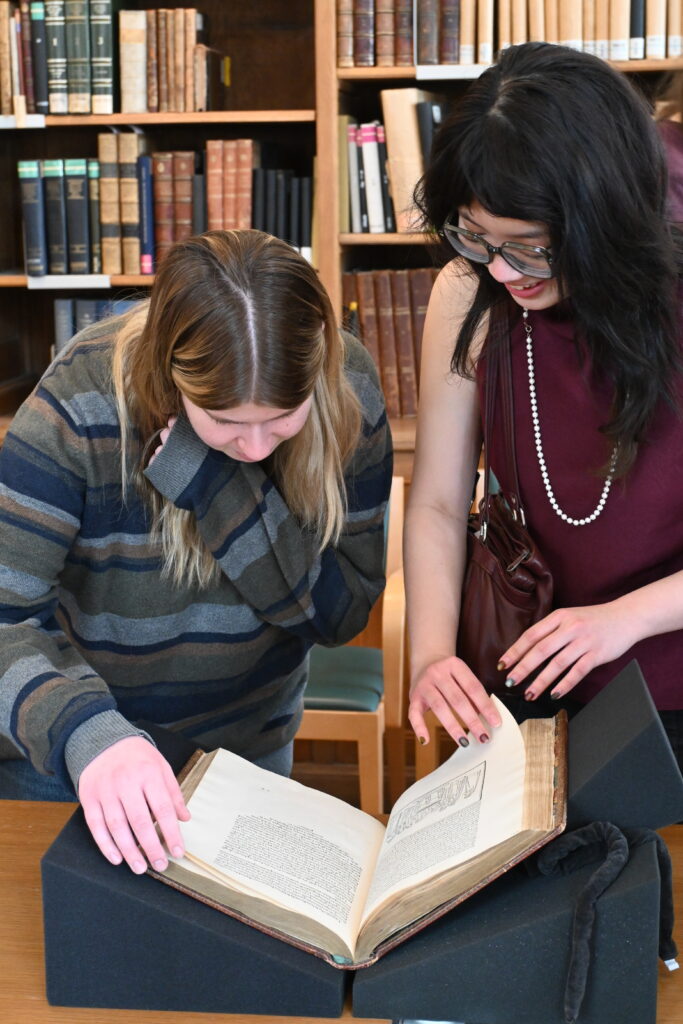
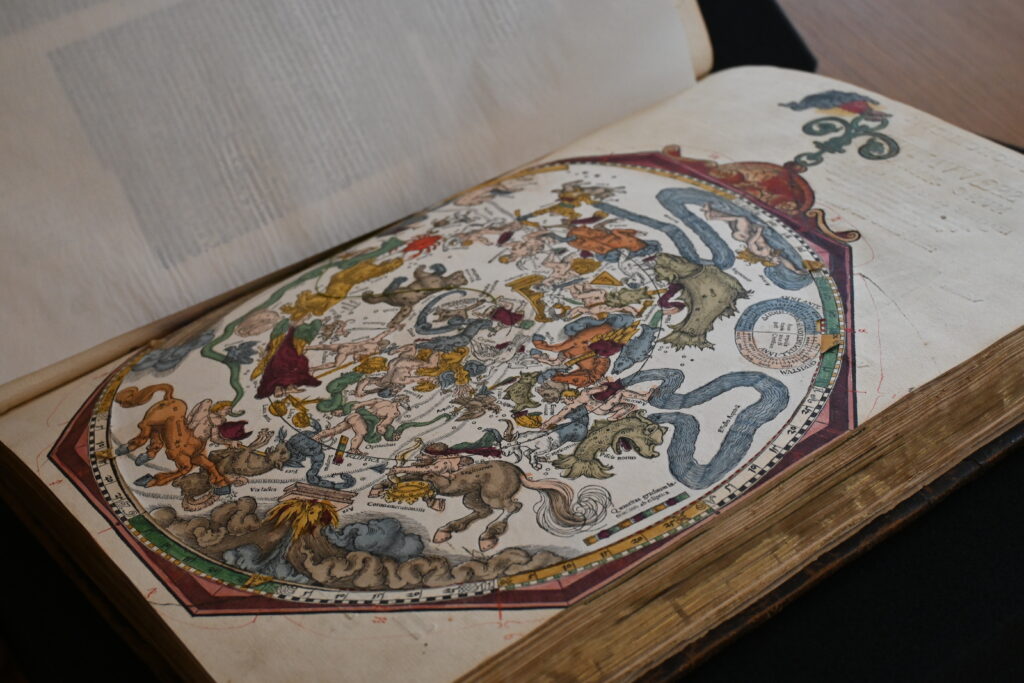
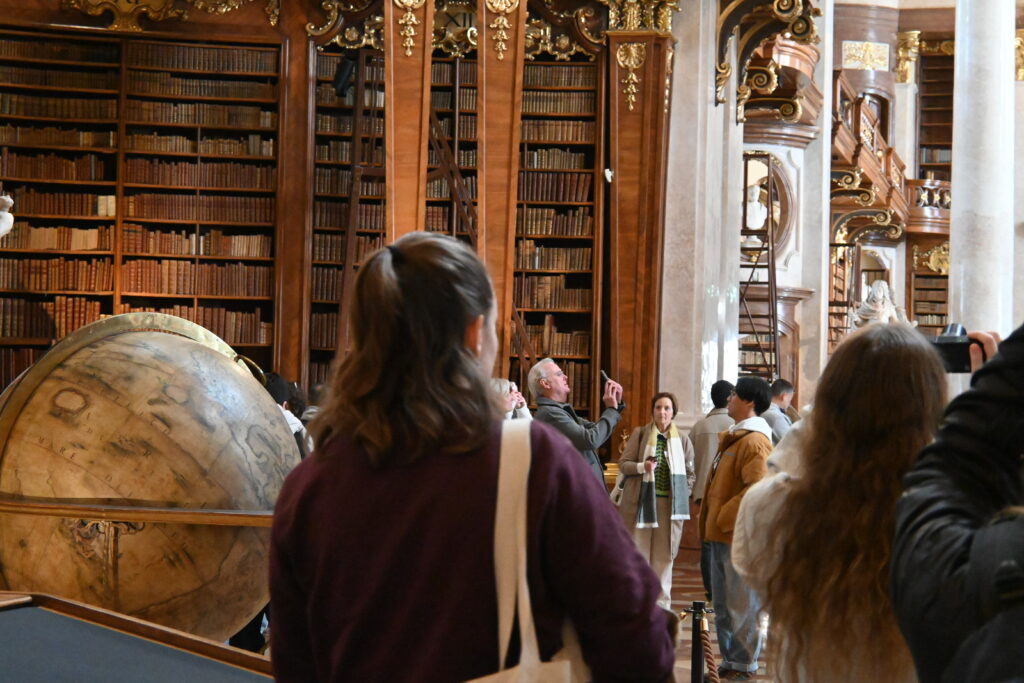
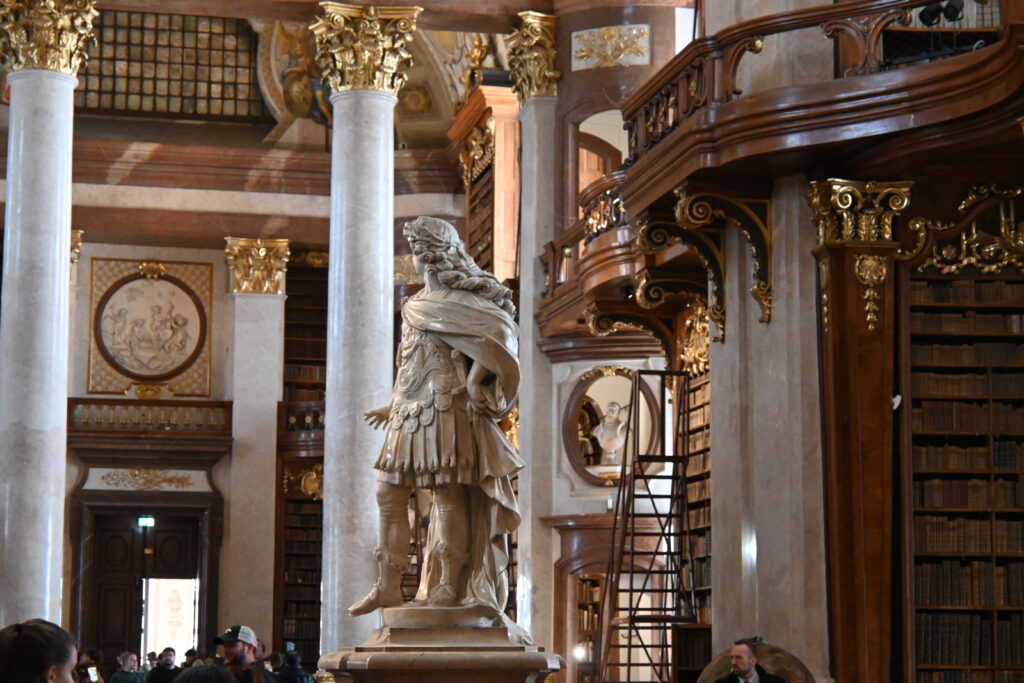
The day’s scheduled program began with a journey to the Austrian National Library. Located in the former royal castle complex, the staff at the national library generously provided us students with a private tour, during which we were able to look (and even touch) some of the library’s oldest books. Many could be traced back to the Middle Ages, some of which were hand-written, as they predated the invention of the Gutenberg printing press. Speaking of which, we even saw a page of one of the first Bibles to be printed by Johannes Gutenberg and his newly developed printing press, dating back to the mid-15th century.
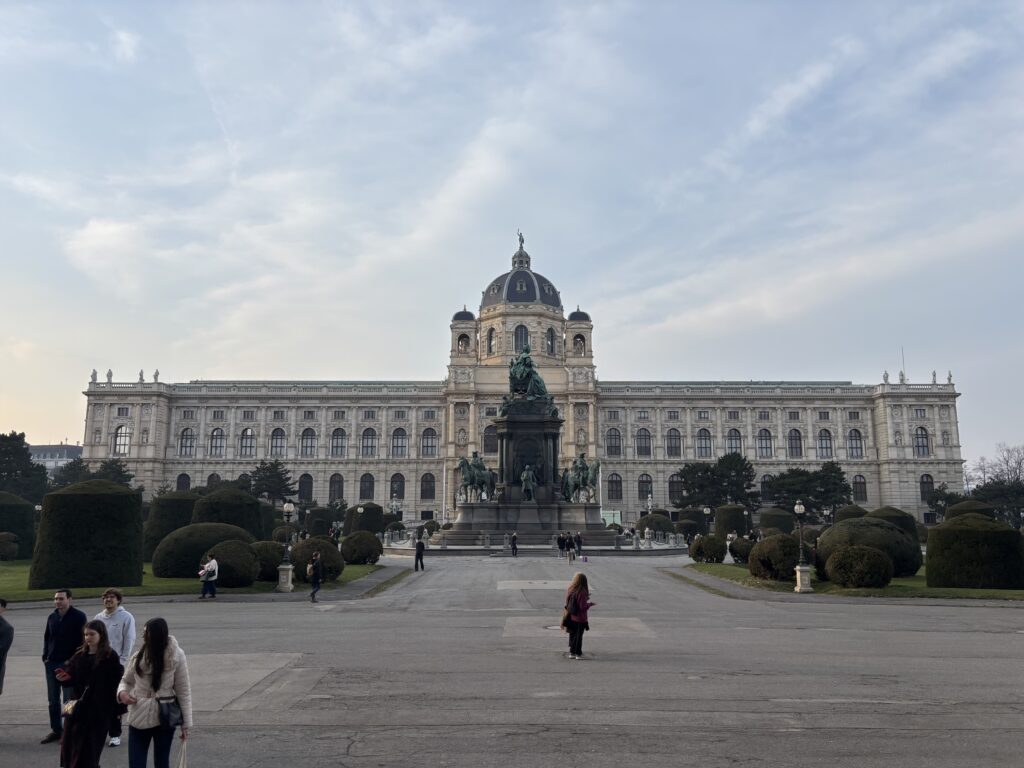
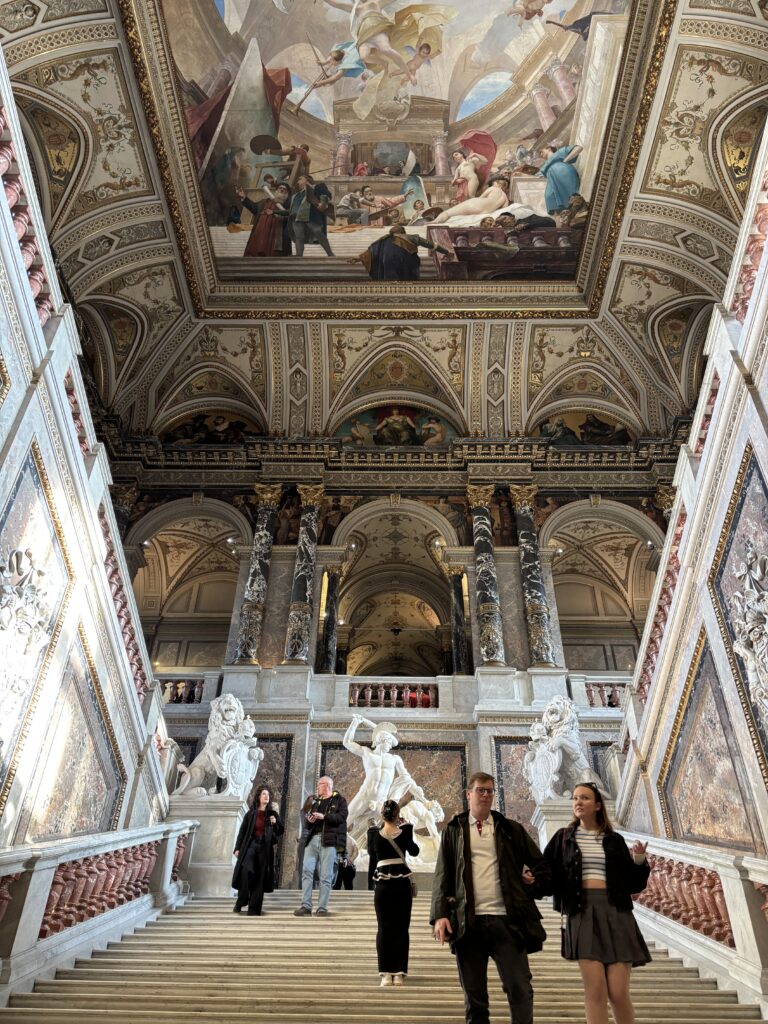
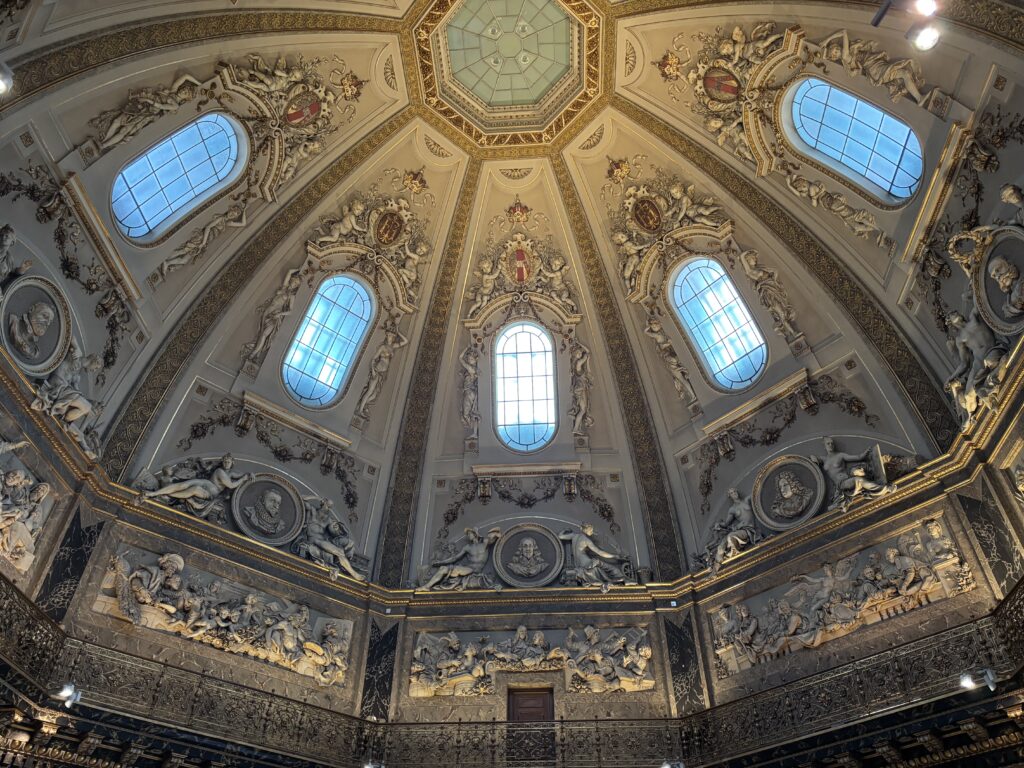
Afterwards, we were treated to a delicious and traditional Austrian lunch at a nearby locale. I swear I could eat that potato salad every day of my life and be happy. After a sweet end to our lunch with Palatschinken for dessert (traditional Viennese pancakes, similar to crepes), we moved on to our next destination: the Kunsthistorisches Museum. The art museum is one of Vienna’s most spectacular and largest. The Renaissance Revival building alone, built between 1871 and 1891 under Habsburg Emperor Franz Joseph I., is nothing short of breath-taking. Audio-guide in hand, I joked about staying until the museum closed, and they threw me out. I quickly realized it wasn’t a joke at all, minus the being thrown out part. After around 4 hours in the museum, I left 10 minutes before the doors closed, having managed to see about an eighth of the permanent exhibit. Not wanting to miss any of the history, I had read every placard and listened to every audio file that I could. Despite how shockingly little of the museum I saw, I enjoyed every second of my deep dive into the section of the exhibit that I visited which was filled, primarily, with Renaissance sculptures and devices.