With support from Dickinson’s Mellon Digital Humanities initiative Dickinson student Jamie Leidwinger (’15) will be working this summer under the direction of composer, technologist, pianist, and entrepreneur Greg Wilder on his Isomer Project, an ongoing research project in computational creativity.
 The Isomer Project is a suite of software tools that is the culmination of a decade of independent research and commercial development. Its aim is to combine musical models of human creativity with modern machine learning techniques to more fully understand and explore computational creativity.
Greg has taught a number of courses at Dickinson over the years, including advanced composition, music theory, aural skills, choral arranging, and computer music. As a founder and the chief science officer of Clio Music, he designed, developed, and implemented a proprietary autonomous music analysis and motivic data mining technology (“Clio”) capable of generating comprehensive models from music in any style or genre and comparing them for similarity.

Greg Wilder
The summer research collaboration will take place in Philadelphia, at Drexel University’s Expressive and Creative Interaction Technologies (ExCITe) Center, which is a hub for teams of faculty, students, and entrepreneurs to pursue highly multi-disciplinary, collaborative projects. ExCITe project participants come from engineering, fashion design, digital media, performing arts, computer and information science, product design, and many other fields.
Co-working at the ExCITe center with its director Dr. Youngmoo Kim and his team of PhD researchers at the Media Entertainment and Technology laboratory, Leidwinger will be helping Wilder to develop the full potential of the Isomer software.
The immediate goal of the summer project will be to validate the boundaries of the Isomer software’s capacity for musical analysis, model representation, and algorithmic transformation using advanced machine-learning techniques. Leidwinger will be assisting with the curation and preparation of musical models, analyzing musical data for research validation, creating musical metadata, and keeping us up to date with blog posts via the Isomer web site and other social media outlets.
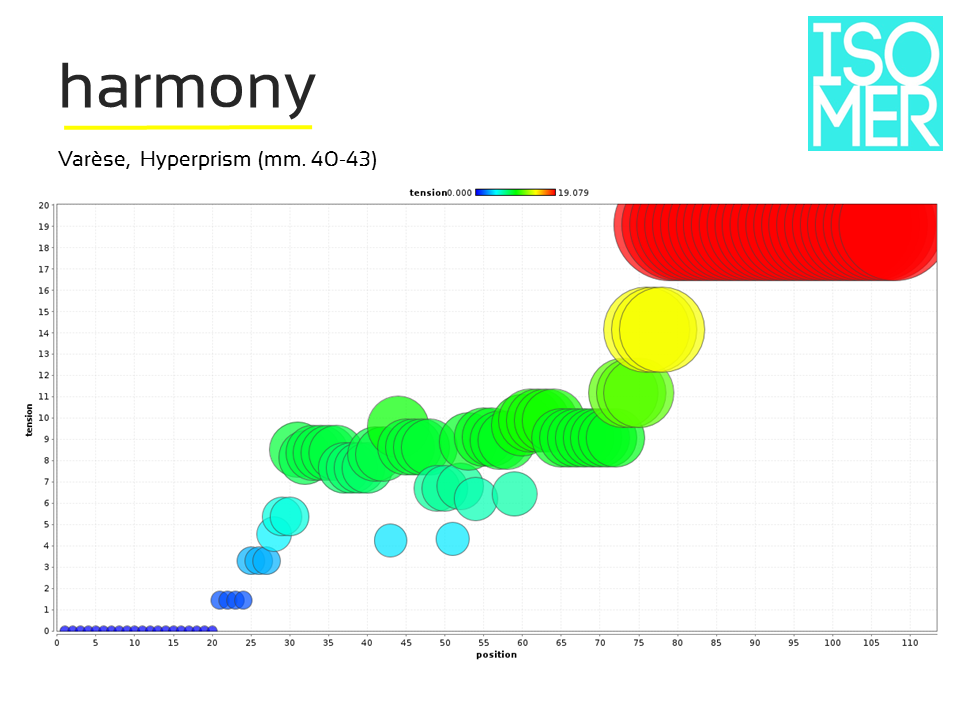
Metacreation (or computational creativity) is the idea of endowing machines with creative behavior. Metacreation, as a technology-driven approach to generative art, involves using tools and techniques from artificial intelligence, artificial life, and machine learning (themselves inspired by cognitive and life sciences) to develop software that is creative on its own.
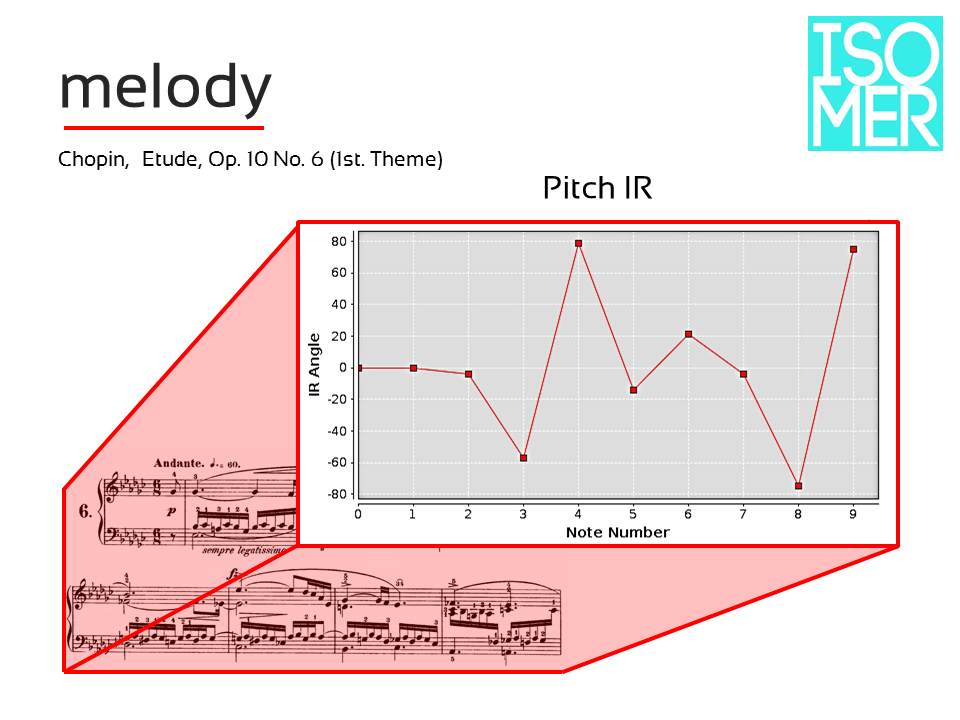
An essential step in the development of a metacreation tool like Isomer is to validate its analyzed data and musical output (i.e., does Isomer capture the essential aspects of the musical models in terms of musical grammar, affect and mood?). In the past, Dr. Wilder’s technology has powered products for some of the largest companies in the music industry (e.g., Rovi Corp) and is now finding application in the creation of new art and academic research projects. Building on seminal research in musical perception and cognition (e.g. Leonard B. Meyer, Fred Lerdahl, Eugene Narmour, Emilios Cambouropoulos), Isomer relies on a comprehensive ontology of musical parameters. It accepts model input as raw audio, symbolic representation, or both, and extracts a range of analysis vectors that capture trends in terms of texture (timbre), pitch, rhythm, and form.
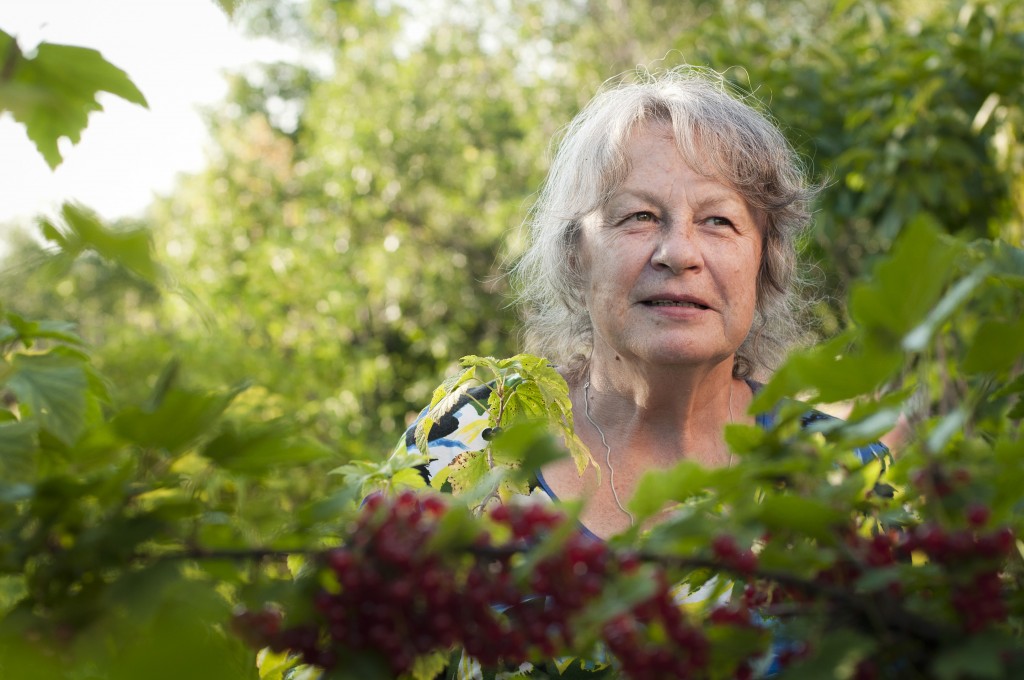
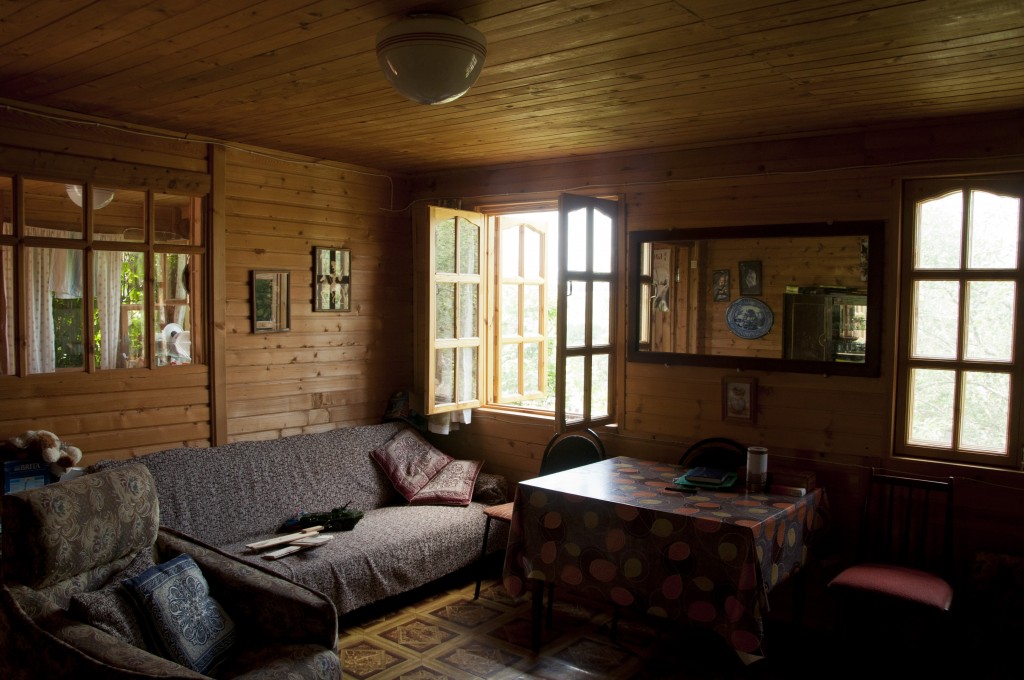
 According to contemporary Russian philosopher Michael Epstein, the boundaries of private and public space are drawn differently in Russian and in the West: in Russia, private and public are demarcated far more sharply, and private space is warmer and more intense than in the West. This project seeks to test this premise. The site’s creator and curator is Maria Rubin, Visiting International Scholar in Russian. Prof. Rubin takes an intimate, close-up portrait of each subject standing next to or holding an object he or she values. She also takes a picture of the subject’s empty room. The viewer is invited to guess what sort of person inhabits the space, a curiosity which can be satisfied by referring to the portrait, the audio interview, and a transcribed version of the interview.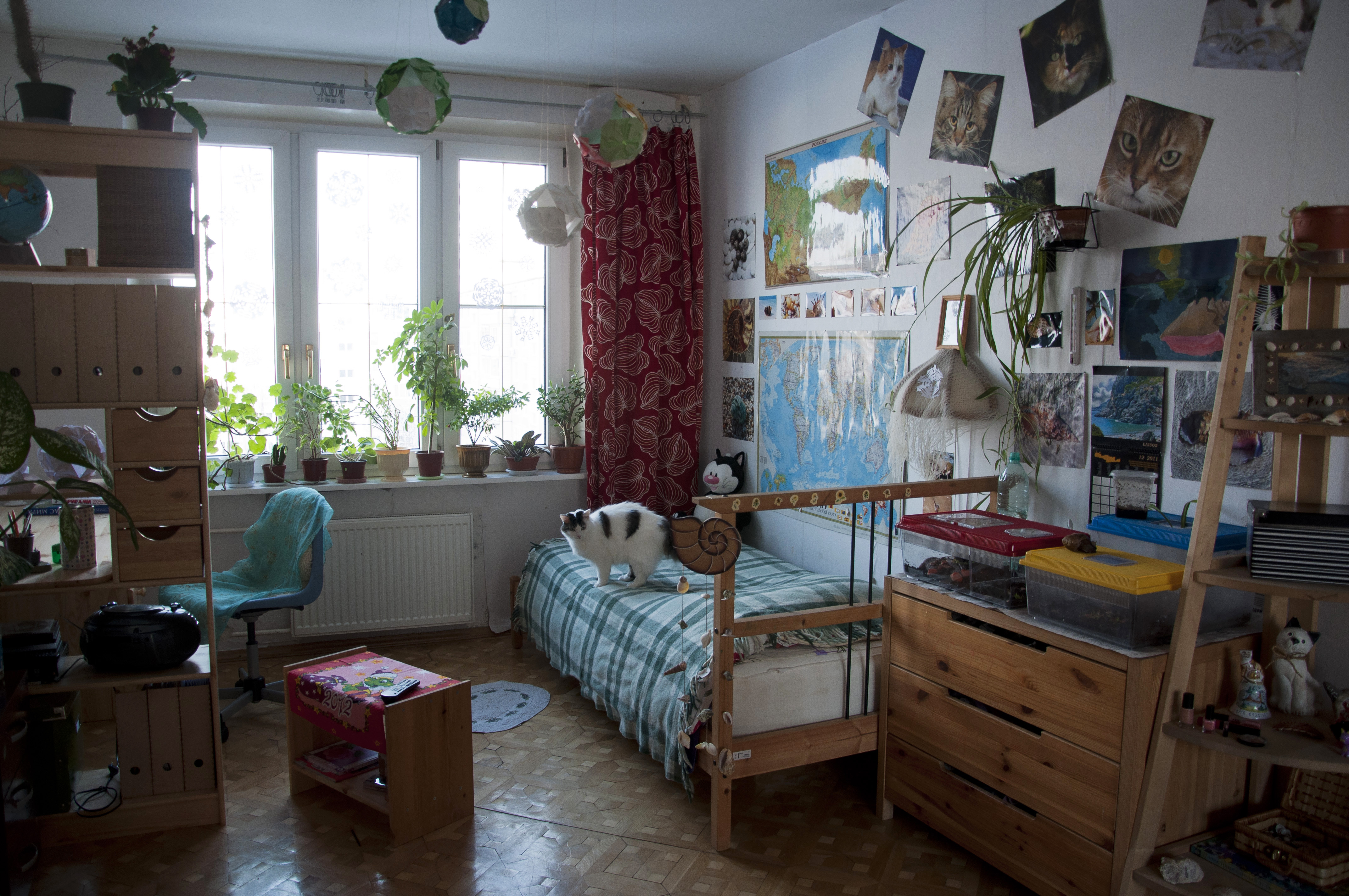


 All rights reserved by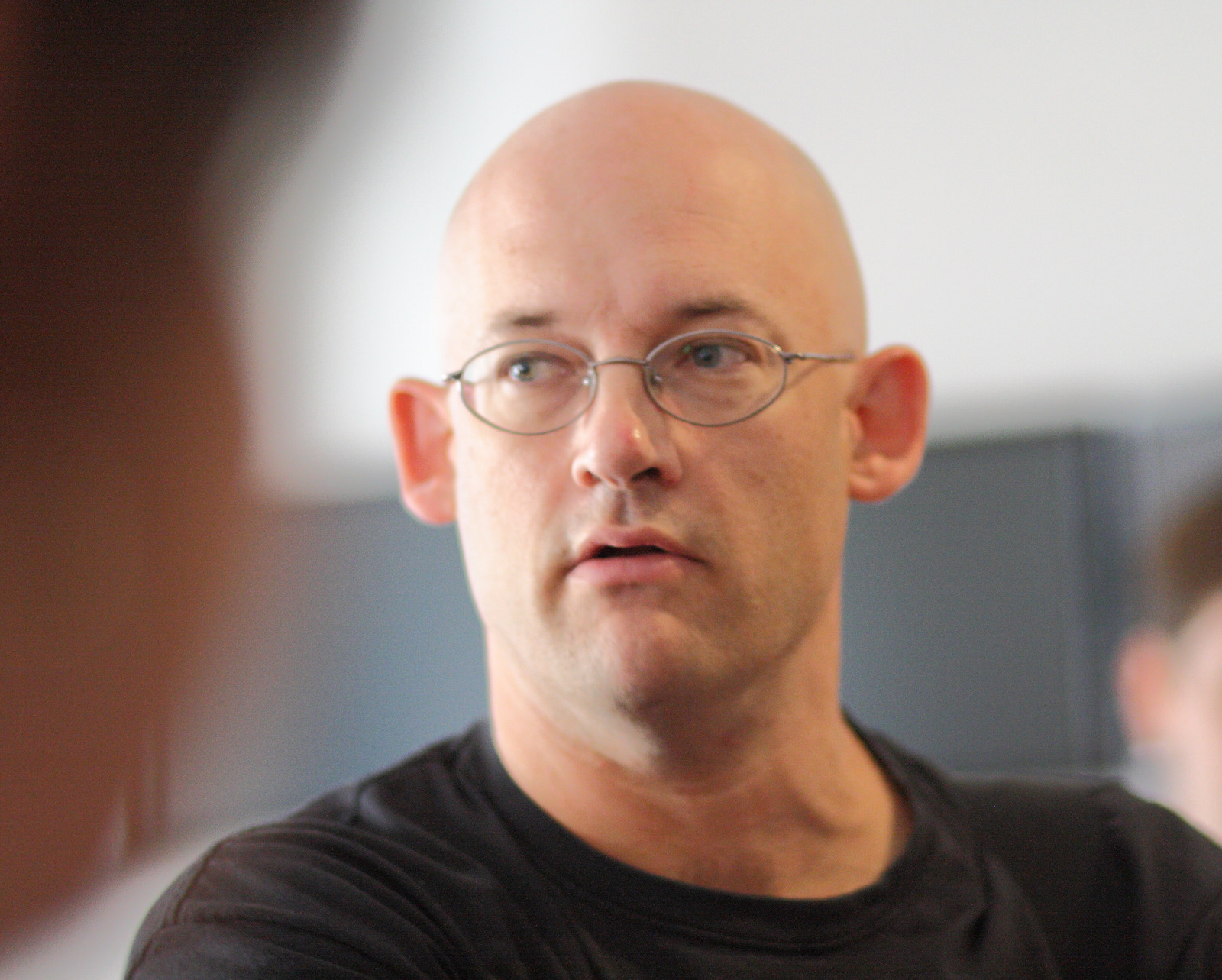
 Rebecca Frost Davis, one of the general editors of The Digital Pedagogy Reader and Toolkit, will give an overview of this born-digital publication. Seminar participants will contribute to the project, which is aimed at aggregating digital tools used by adventurous practitioners and presenting pedagogical projects in their original forms.(Times EDT)