by Naomi Mathewson ’26
When I arrived in Germany on September 1st, 2024, I had no idea how the year ahead of me would change my life. It’s hard to discuss a study abroad experience without becoming a walking brochure – or romanticizing the challenges beyond recognition – so I will try my best to transparently and lucidly share some of my favorite memories and greatest challenges here. I’ll begin by imparting some unsolicited advice.
- Do your best to have no expectations. This doesn’t mean you can’t visualize life abroad, but try not to overplan or expect how things will be when you get here, especially when it comes to your language abilities. Be real with yourself about the challenges.
- Once you arrive, BEGIN TO VISUALIZE – I realize that this is contradictory advice from my first tip, but it takes a certain amount of opportunism and ‘committing to the bit’ to make the most of your time here. You might think to yourself: What’s something I’ve never done before? How do I experience the best parts of the city as regularly as possible? How do I want to orient myself in this city?
- Live with Germans if you can; it makes a huge difference for your language skills.
- Don’t judge your experience based on your worst day (or first, second, or third day.)
- If someone invites you to do something, GO!
Upon my arrival in Bremen in late September 2024, I believed that my language level wouldn’t be sufficient to begin studying in Bremen. In short, I was right. If you don’t come to Bremen with a C1 language level, you have to be prepared to work really hard on simple academic tasks. When I first discovered this, I was consumed by panic; I worried I had made the wrong decision coming to Bremen. However, I soon realized my success was going to be dependent on my approach. If there was no way that my language level would be sufficient by the time I arrived in October, I would have to change my expectations. I adjusted my goals to manageable levels: practice speaking every day, watch German TV shows, read German books, try to absorb as much German as possible, and ask for help in classes when I need it.
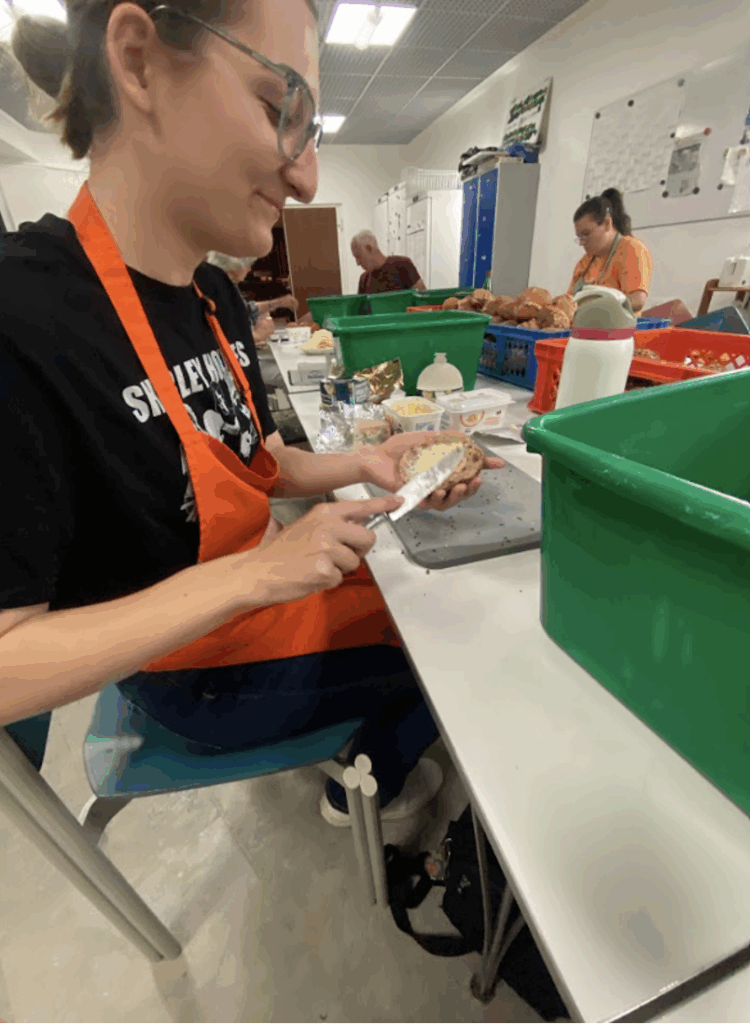
With frustration, repetition, and some disappointment, I began a slow crawl towards proficiency. Some of my greatest victories have been making small comments in class and receiving a “genau” in response, constructing sentences that I’m proud of, and, greatest of all, making German friends. There’s an idea that there’s a correct, or ‘better’ way to go about learning a language – many of my friends in the program could study grammar rules and internalize them with relative ease, which made me pretty jealous. I, on the other hand, had to use what I call the “baby method.” I sheepishly stumbled through sentences and effectively babbled in German for the past 11 months, and it has been momentous for my German abilities. Learning a language is a humbling experience, and if you keep that in mind and choose to engage with the people you meet, you will have no trouble making friends here. And I will add that with 11 months of practice, my German has improved significantly; repeated exposure has helped me a lot.
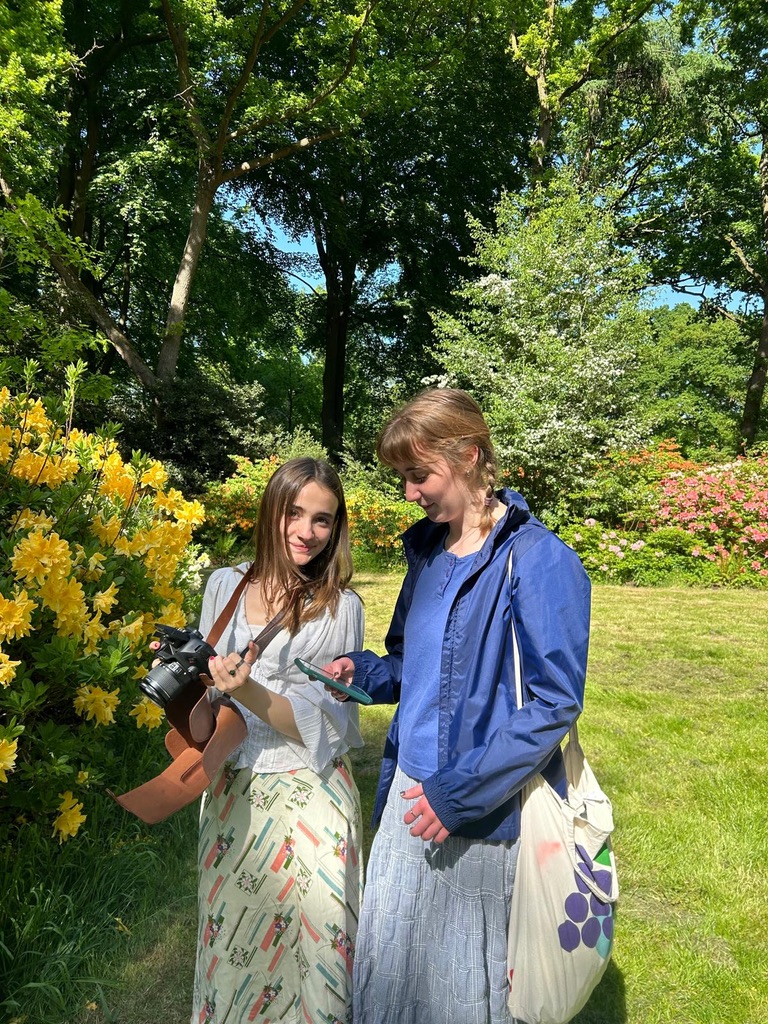
To end this rambling, I will add to my final tip. If someone invites you to something, you must go; there is nothing else to do! Do it! Go! Bremer often say “Bremen ist ein Dorf,” or, Bremen is a village – it’s true. If you put yourself out there enough, you will begin to see exactly how close-knit Bremen is, and it is awesome. Anyway, viel Spaß! Wer rastet, der rostet!
Comment from Dr. Ludwig:
Naomi is too modest. She has achieved B2+ for sure and speaks fluently. 😉