Laboratory science courses at Uni Bremen

by Ellen Boldt ’26

As a Biology major, I pursued multiple laboratory science courses during my time abroad.  These were often my most challenging classes, due to the complexity of the vocabulary.  In the fall, I took a Vertebrate Biology course, which involved three-hour dissection labs every week, during which time I dissected a mouse, goldfish, and part of a preserved dogfish shark. The labs were supposed to teach us to focus on certain aspects of what we had learned in class.  We looked at organs in terms of an evolutionary continuum, except for the shark dissection, which focused on sensory exploration. 
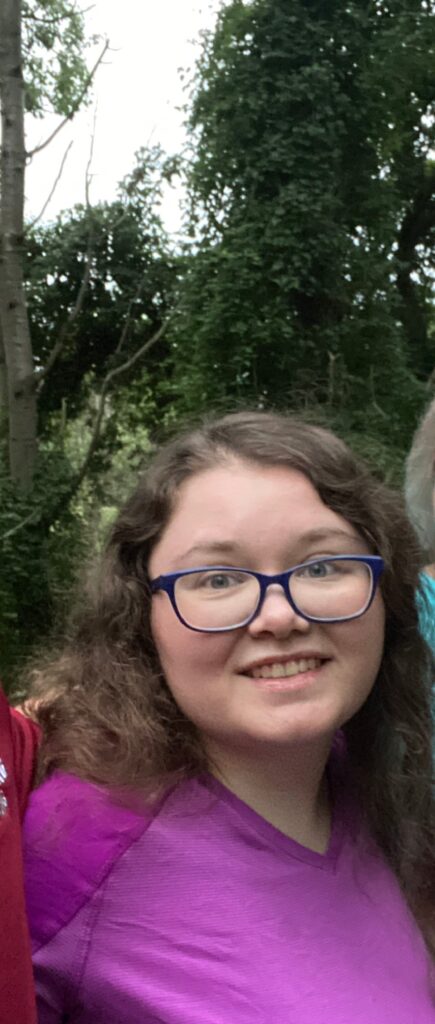
Nature Walks in Bremen ©Ellen Boldt

In the fall semester (Vertebrates), there were about 40 students in the labs, overseen by one professor and about four teaching assistants.  This structure was a much larger class than I would have been used to in the US, and with less supervision and group work for the lab procedures than I expected as well.  The lab procedures were more broadly structured and less rigidly paced, as students were expected to follow a written procedure with minimal overview and help.  In my American lab experience, the final product of the lab on which we would be graded would be a written report with observations, or possibly showing our dissection work for an anatomy lab.  However, both my vertebrate class in the fall and my animal diversity class in the spring, which focused on invertebrates, required us to submit notated drawings and diagrams of the structures we were dissecting and observing, with minimal forehand guidance of what we were looking for: just a list of parts that we would need to label. 

These differences were challenging but provided a practical way for us to learn structures.  Making us try to find structures as we dissected, and then draw them as we found them, was a good way for us to show what we were learning, and to show that we had captured the context of the body parts we identified. 

In the spring semester (Animal Diversity), there was an even bigger class of at least sixty students in each lab group.  Rather than dissecting, we observed whole samples of arthropods and invertebrates preserved in alcohol.  This was easier in some ways than following a delicate dissection procedure, but labelling microscopic structures was its own challenge, as well as identifying the samples by species through use of a dichotomous key (in German!).  One assignment I struggled with particularly was when I tried to draw sections of bumblebee wings so I could label them.  On the other hand, I enjoyed making the drawings and occasionally received compliments on them, which helped to build my confidence.  While I was familiar enough with using dichotomous keys to be mostly effective, I draw the line at beetles.  The known beetle species comprise 25% of all known animal species—there are too many for an amateur to meaningfully differentiate with so blunt a tool as a dichotomous key! 
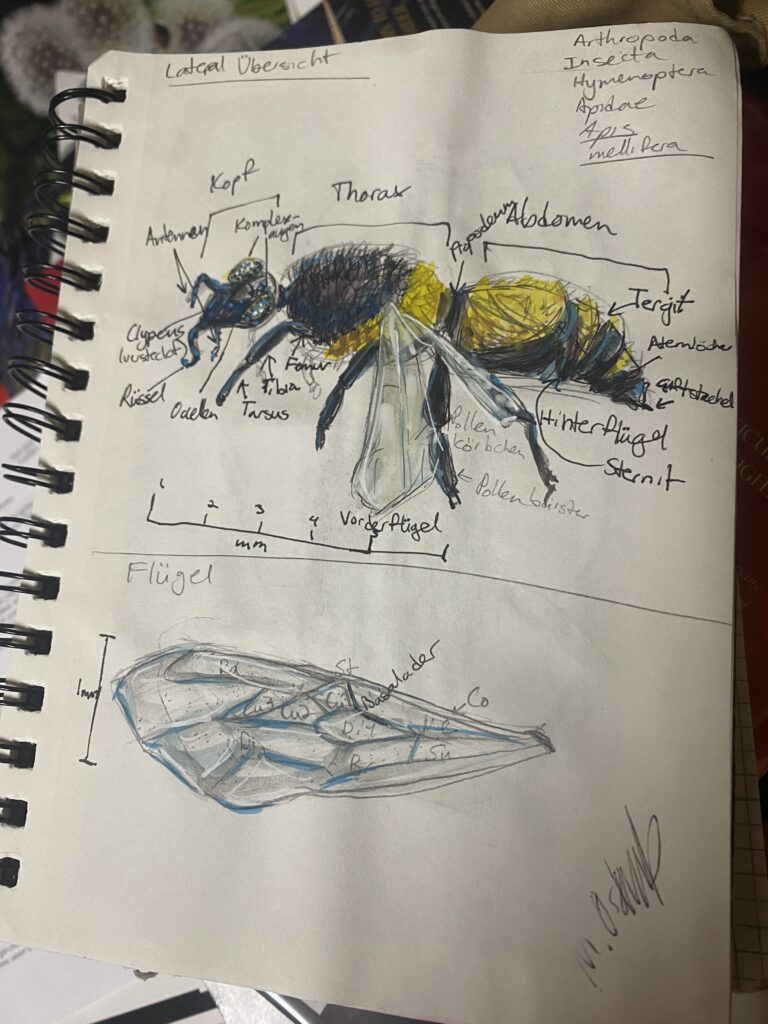
Drawing and labeling the sections of bumblebee wings. ©Ellen Boldt

It was hard when we did field work at an outdoor nature preserve, because I didn’t have my computer with me for looking up words; I could sometimes identify an animal by its English name without knowing what it was called in German. 

One of the last Biology projects for my year in Bremen was a trip with my Animal Diversity class to the Übersee (Oversea) Museum, which is a sort of natural history museum.  A group of about 30 of us went into a back room and got to handle some of the artifacts that had been collected from around the world, including ancient wasps that had been preserved in amber.  My group made dichotomous keys to identify specimens of squid and octopi. I was amazed to learn that Germans don’t have differentiated commonly used words for squid, octopus, and cuttlefish:  they were all called by the same name in German, “Tintenfisch”! 

Conducting the labs in German provided an extra layer of challenge, but I am glad I was able to familiarize myself with a new category of German vocabulary.  I communicated with my lab partners in German but did find myself looking up quite a few words in my German-English dictionary.  
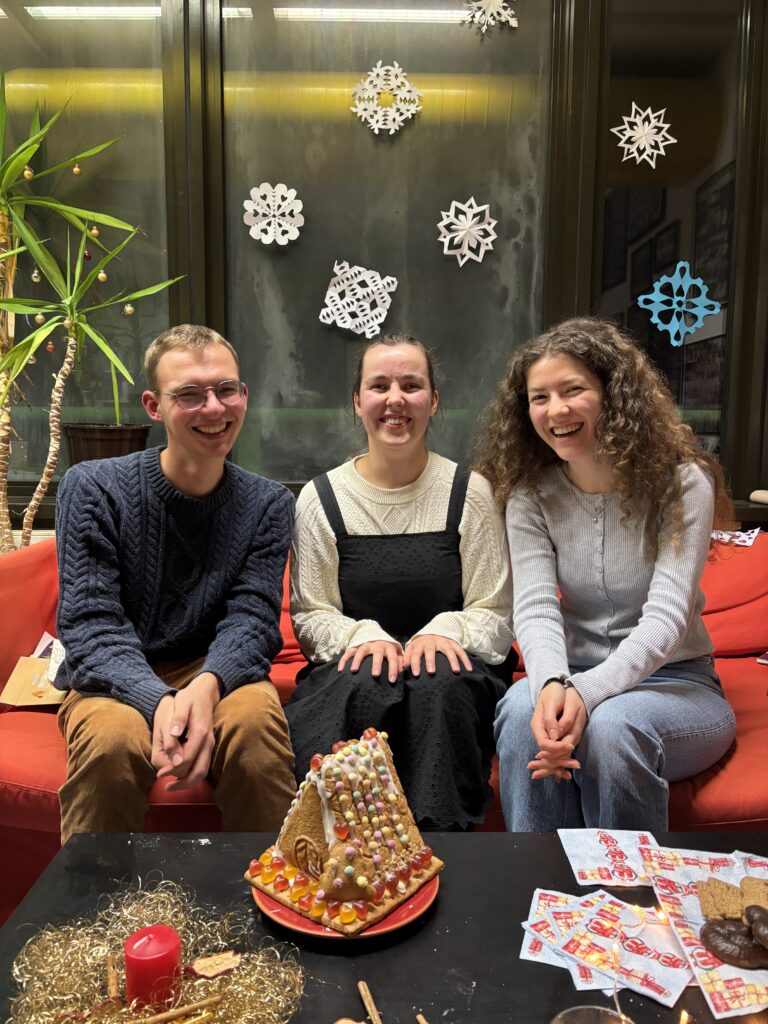
Fröhliche Weihnachten

Merry Christmas and a happy New Year from us to all of you! 

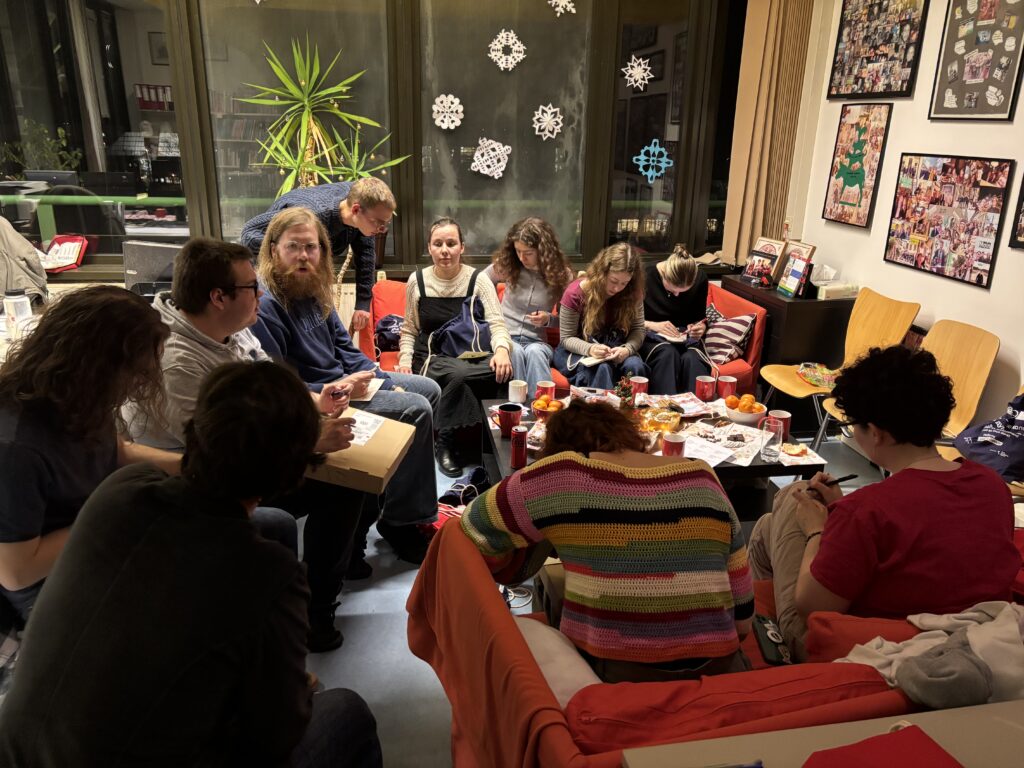
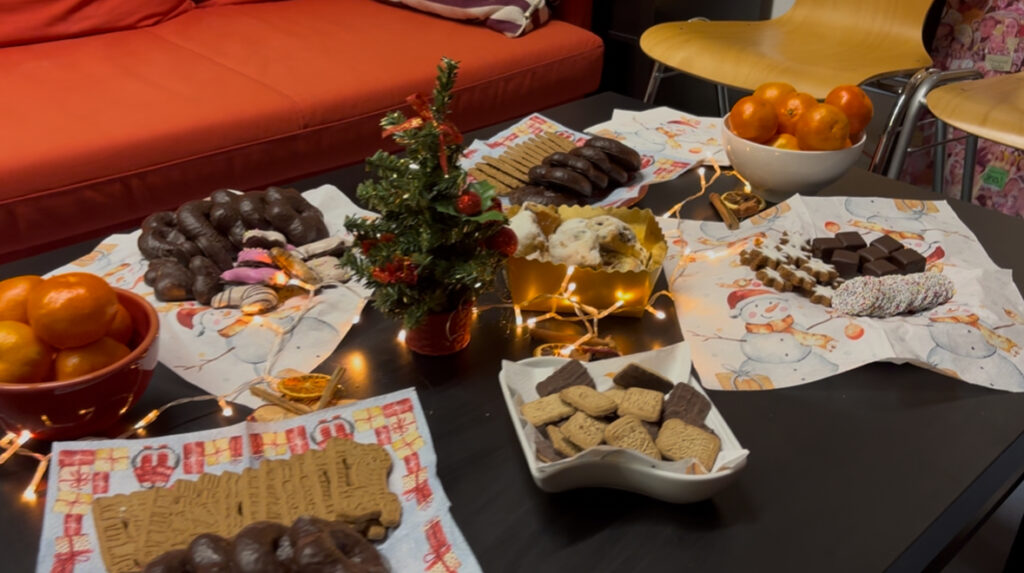
We concluded the year with our annual Christmas Celebrations, during which we packed Christmas bags as part of the Christmas bag campaign by Stiftung Solidarität Ukraine (Solidarity Ukraine Foundation) for children in Ukraine, decorated a ginger bread house and drank and ate lots of punsch, ginger bread and Christmas cookies. 

We are looking forward to all the things the new year will bring and are wishing a Merry Christmas to everyone that is celebrating, as well as a great winter break and a Happy New Year to all of you!

Or, as we say in German: “Einen guten Rutsch ins neue Jahr!” (literally meaning “A good slip/ slide into the New Year”). This is how we are wishing a Happy New Year before Midnight on the 31st of December – you will hear people saying this already as early as mid December, usually in combination with Merry Christmas then, and especially between Christmas and New Years Eve.

 After midnight on the 31st of December, once it is already January 1st, we say “Frohes Neues” (“Happy New Year”).

Berlin Excursion: The state surveillance in the former German Democratic Republic (GDR)

by Alex Arnold ’27

Our trip to Berlin was packed with a mosaic of different experiences. We traveled through different periods of German history in an immersive way: from visits to museums, amazing conversations, to, not least, simply moving through the unique metropolitan atmosphere only to be found in Berlin.  And, naturally, to fit all of these experiences into just five days (well, really only four in Berlin, but more to this later), we had to use every moment to our advantage. In other words, we were busy! 

To describe all that we did on our trip in detail would, I think, be a challenge to read through. So, I hope to instead share about a select day’s worth of experiences that I found to be particularly special. On our second day, Friday, we delved extensively into the topic of the state surveillance in the former German Democratic Republic (GDR), the former authoritarian-socialist which existed in East Germany from 1949-1991. 

©Alex Arnold

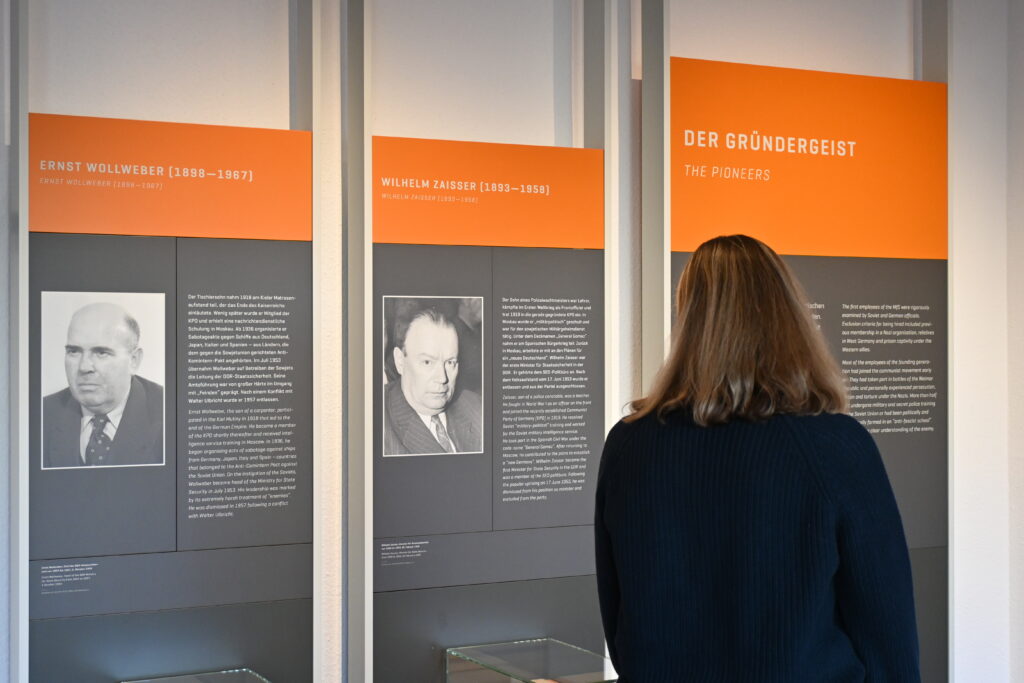
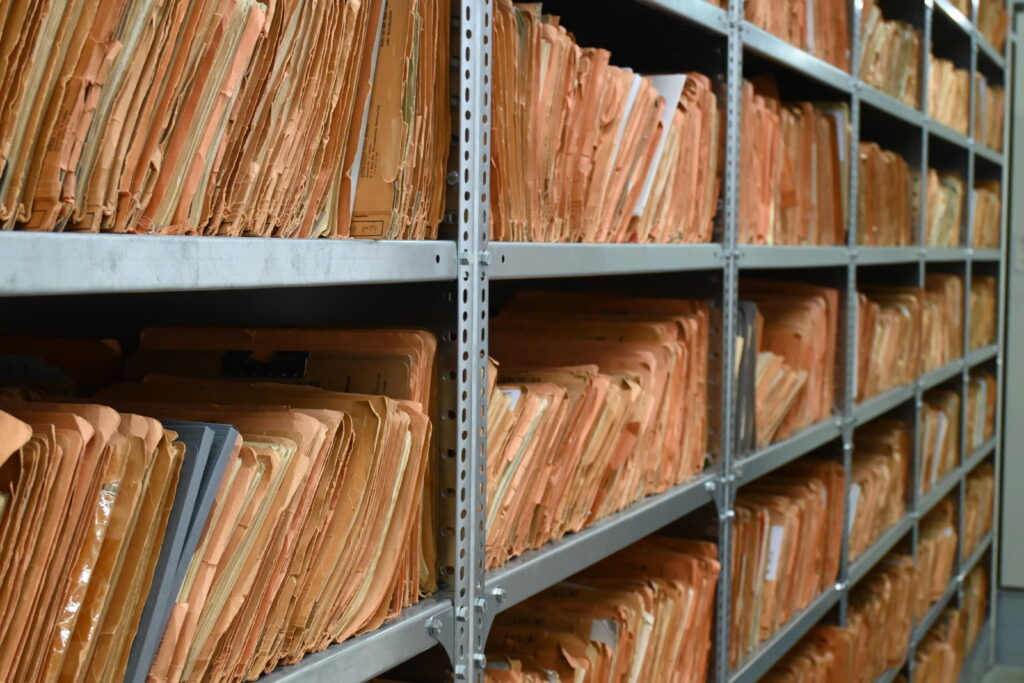
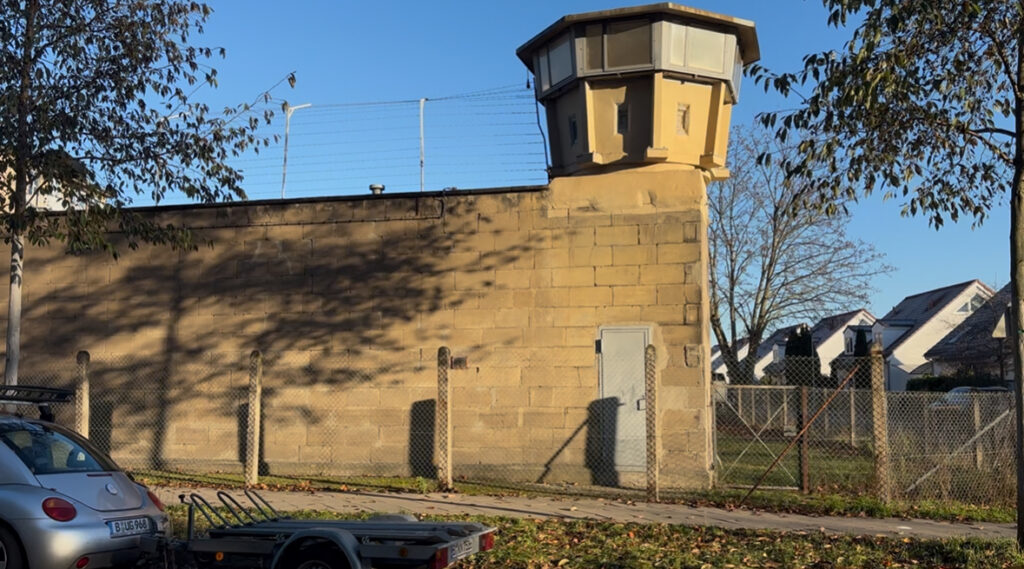
We visited the former Stasi (Staats Sicherheit or “State Security”) headquarters which, today, has been converted into a museum detailing the role this powerful instrument played in monitoring and exerting control over East German citizens. We even had the very special opportunity to enter the archives where detailed files pertaining to East German citizens are kept. Ranging from the most mundane to highly private, enough information was collected by official and unofficial Stasi workers regarding suspected regime critics or dissidents during the GDR to span around 60 kilometers if the files were to be aligned side by side, as if placed on one single continuous shelf. The most interesting part of the day, however, was still to come. 

©Alex Arnold

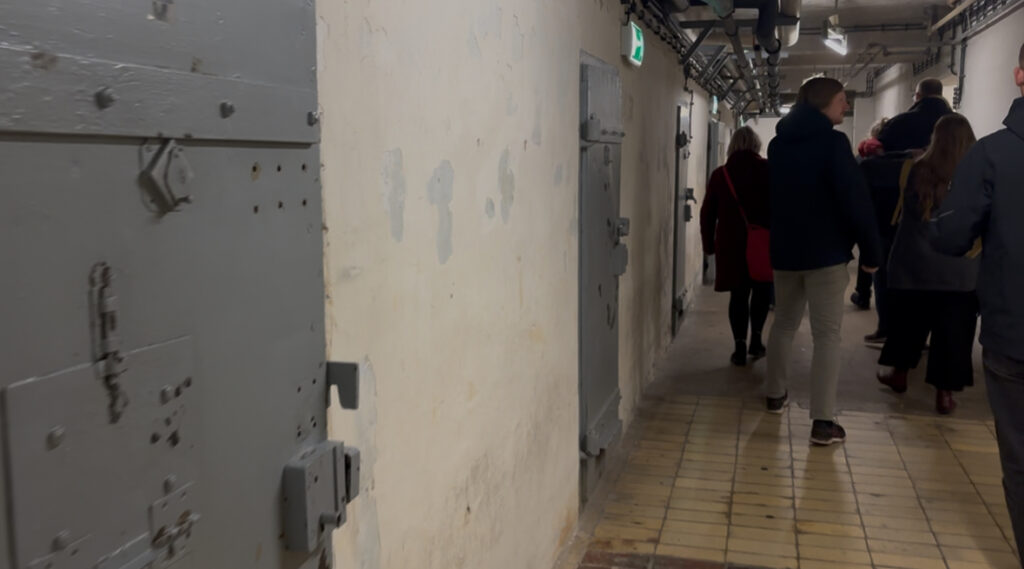
After visiting the Stasi museum, we traveled to a former prison on the outskirts of East Berlin called Hohenschönhausen where detainees were held during the GDR. Likely some of very same people whose files we had just glimpsed in the archives. Today, the prison has similarly been converted into a museum, although that’s not to say that the drab, depressing interior of the cells have seen much improvement.

©Antonia Gabler

At Hohenschönhausen, we received a detailed guided tour from an older gentleman by the name of Friedemann Körner who described all elements of detention within the facility. What Herr Körner shared about the prison, however, came from personal experience. For three years during the GDR, he was detained as a prisoner in Hohenschönhausen. The tour was a mix of history lesson and biography. In between showing us different locations in the complex, Herr Körner sat us down from time to time and shared details about his life in East Germany, how he ended up in detention, his experiences in Hohenschönhausen, and his eventual release. 

©Antonia Gabler

Through the German curriculum at Dickinson, I had already learned much about the GDR and I was, thus, captivated by Herr Körner‘s first-hand account. Nothing had ever emphasized the reality and currency of what, to me, was history quite like listening to him talk about his lived experience. If the readers of this blog are interested in learning more about Friedemann Körner‘s story, a biographical account was written by Irene Köß and published under the Titel “Sänger hinter Gittern” (Singer behind bars), a reference to Herr Körner’s career as a professional vocalist. As we departed Hohenschönhausen for our alumni meet-and-greet, I was deep in thought, considering all that we had learned and seen that day. Although the day wasn’t filled with happy stories, I felt thankful and reassured: I knew I had made the right decision to learn German and study abroad,  allowing me to connect with people and places in a way that would have been impossible through translations and textbooks.

Berlin Excursion: favorite moments

by Kate Elmes ’27 and Haley Henderson ’27

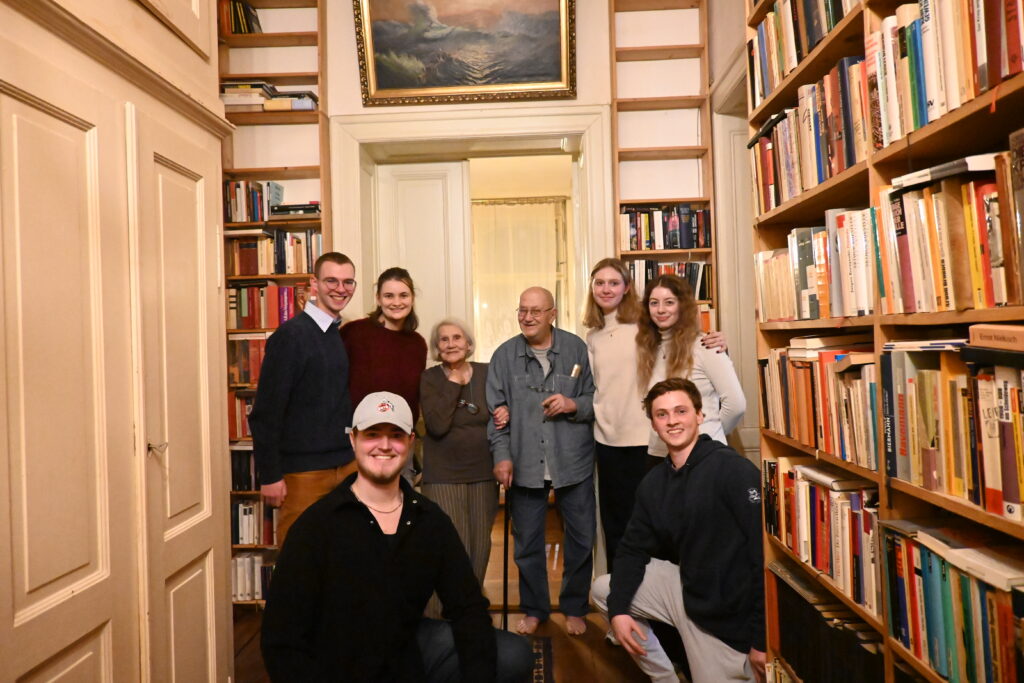
Meeting B.K. Tragelehn and his wife at their apartment in Berlin. ©Alex Arnold

The whole trip was so much fun but my favorite part by far was the afternoon chat our group had with B.K. Tragelehn. He was so cool to speak with and such an interesting person. It was also great getting the chance to meet/catch up with alumni of the program! We had tons of events planned for us, but still had free time built into the schedule; I used mine to get some souvenirs of the city and see a few museums. by Kate Elmes ’27

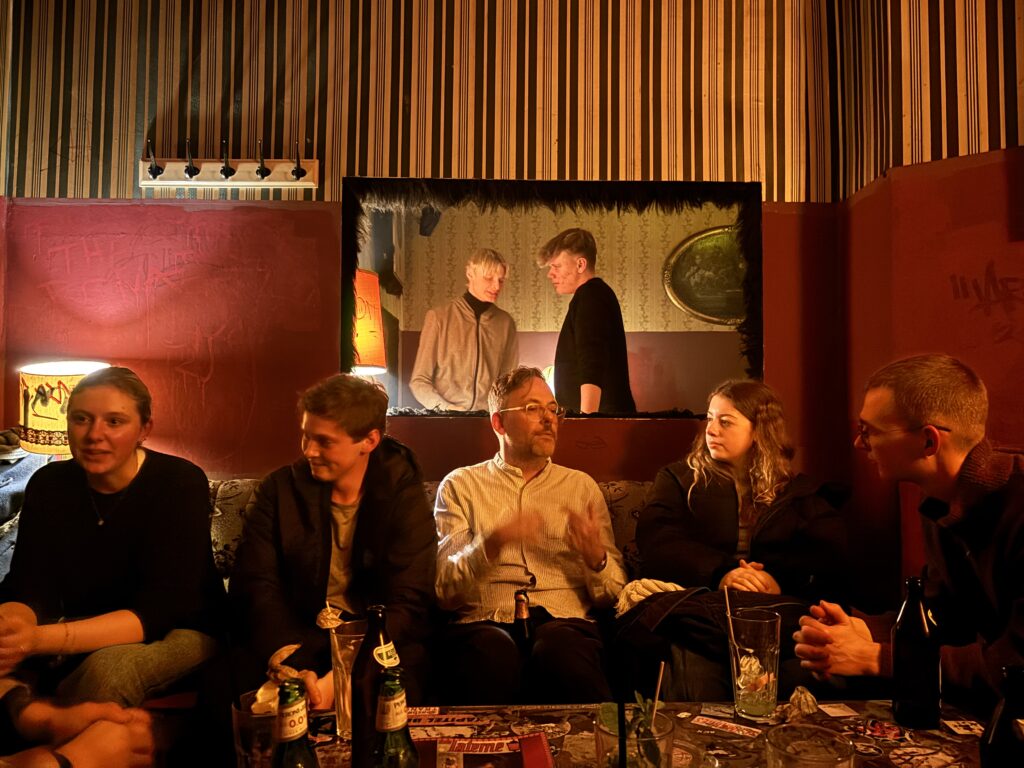
Our annual Alumni-Event at the Dachkammer in Berlin. ©Antonia Gabler

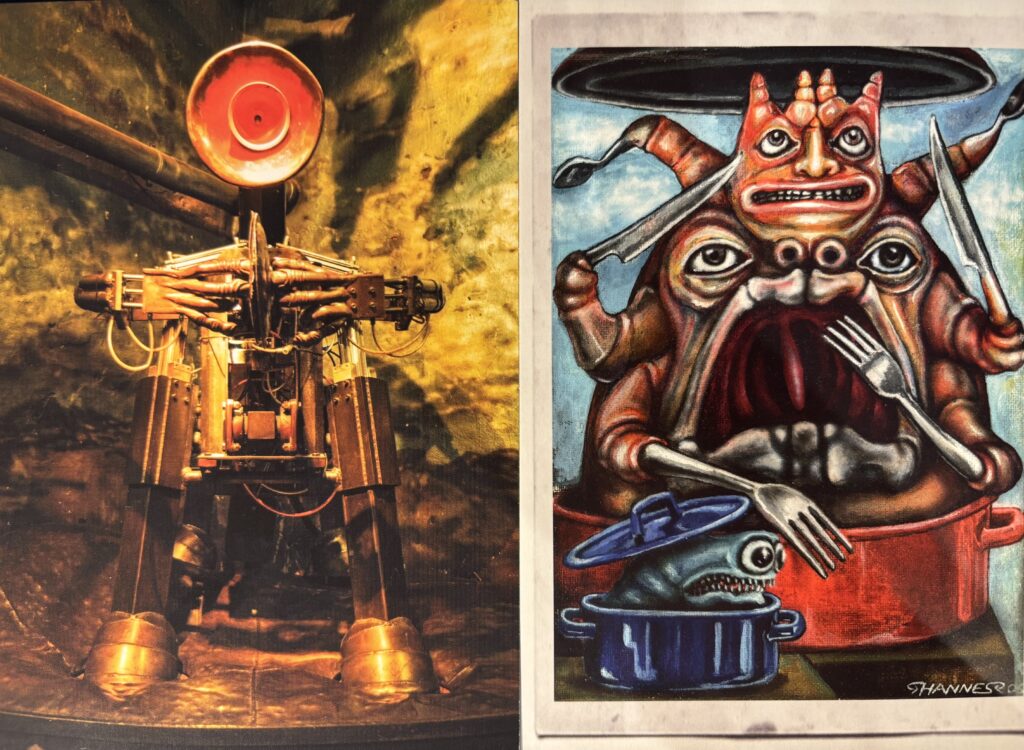
I absolutely loved our group excursion to Berlin. I had a wonderful time getting to immerse myself into the city with everyone. I was delighted to get the chance to see alumni that had previously done the Dickinson in Germany program. My favorite activity was most definitely Monsterkabinett! The music and animatronics were so uniquely Berlin, I was really glad to have gotten to experience it. Learning about the history of Berlin was also really important to me, so getting to visit a new museum every day didn’t disappoint! I’d love to revisit the city, and I’m very excited for future excursions within the program! by Haley Henderson ’27

No pictures were allowed inside the facilities, but here is a picture of some of the postcards we bought afterwards.

Happy Thanksgiving!

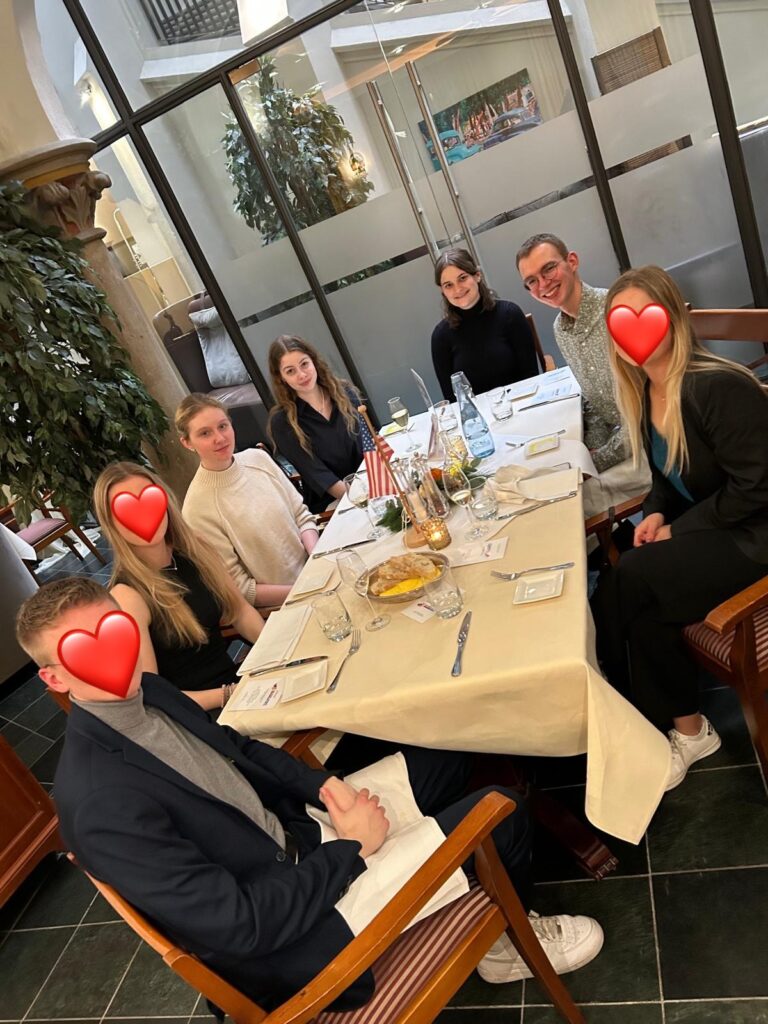
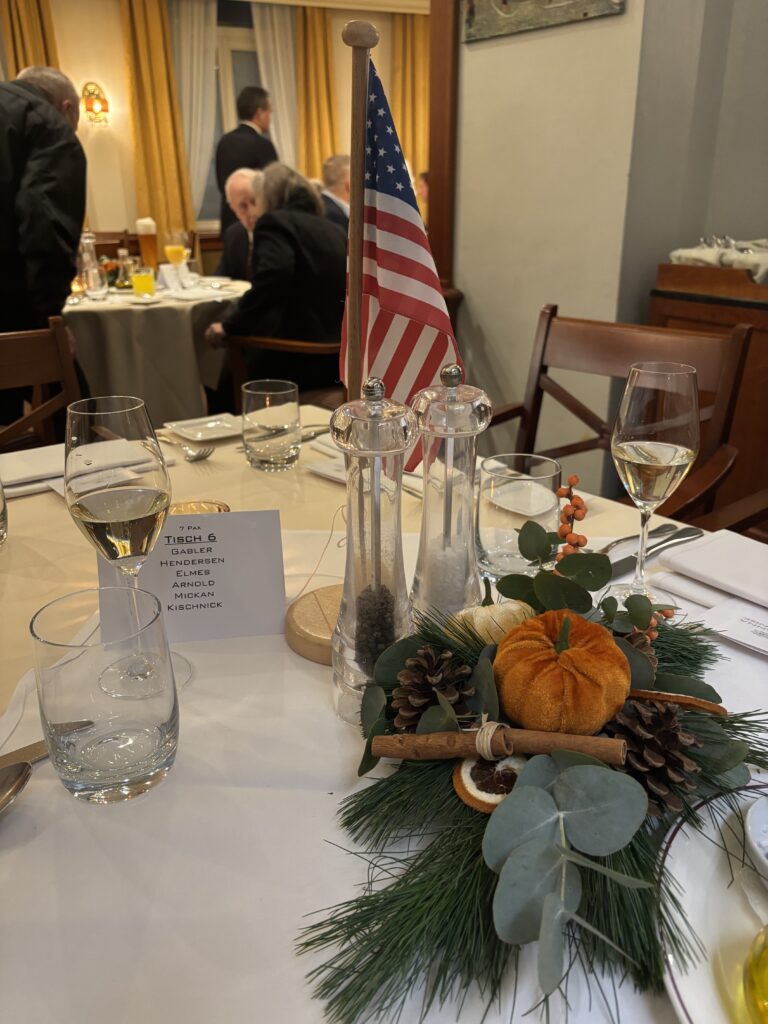
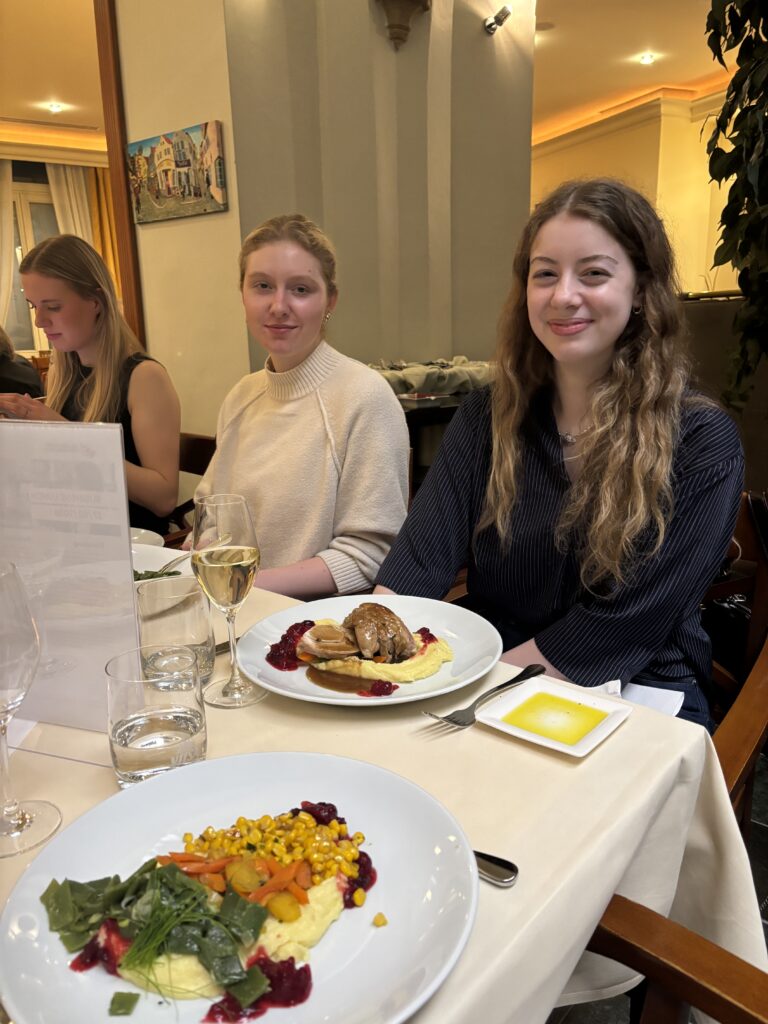
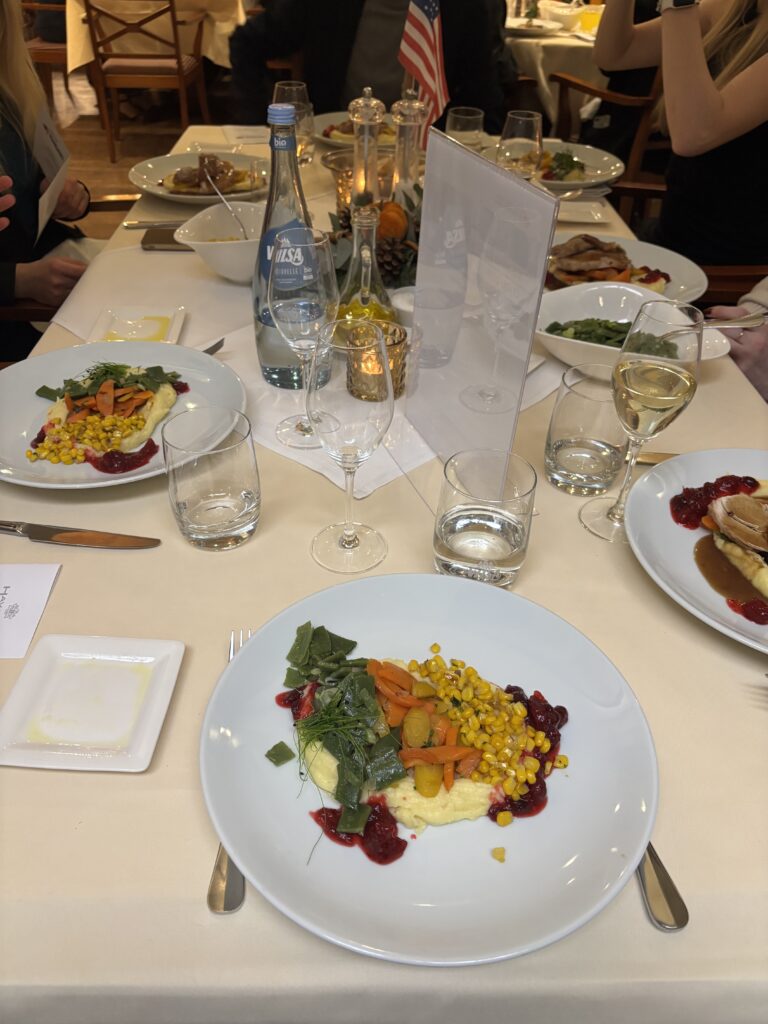
On Saturday, we enjoyed a festive Thanksgiving Dinner, hosted by the Carl Schurz German American Club.

©Deike Meyer
©Antonia Gabler

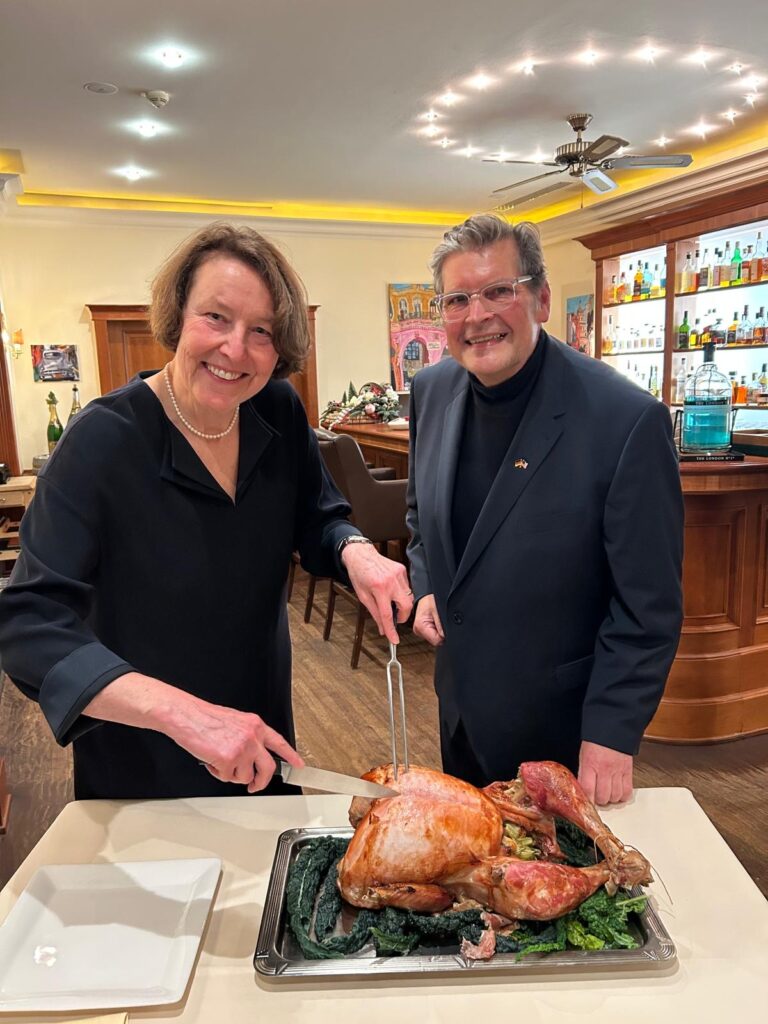
The Dinner took place in the Havana Lounge in Bremen. After welcome speeches by Club President Ulf-Brün Drechsel and special guest Prof. Dr. Wiebke Ahrndt (Director of the Overseas Museum in Bremen), it was time to cut the turkey.

Prof. Dr. Wiebke Ahrndt and President Ulf-Brün Drechsel cutting the Turkey. ©Deike Meyer

We then enjoyed a delicious Thanksgiving dinner, which was afterwards rounded off with a slice of apple pie.

©Antonia Gabler
©Antonia Gabler

We would like to thank the Carl Schurz German American Club for the invitation and for hosting this special event.